
Pruning
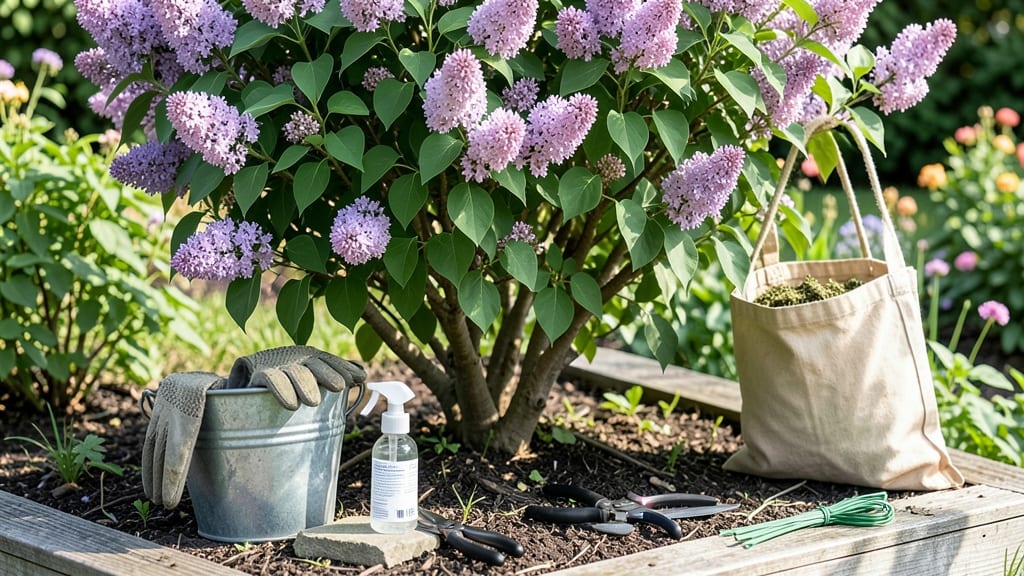
How to prune overgrown lilac bushes could mean twice the blooms next spring—if you do it right now. ✂️ The key is thinning, not just hacking back branches, to let sunlight and air move through the center. I’ve turned my once-tangled lilacs into fragrant, bushy giants with just a few strategic cuts each year.
Timing matters most: wait until late winter or early spring before buds swell, and grab clean pruners, gloves, and a bucket for clippings. You’ll cut back one-third of the oldest stems to the ground while shaping the rest—no need for fancy techniques, just confidence.
The result? More blooms, better airflow, and a bush that looks intentional, not neglected.
After pruning, you’ll notice new shoots pushing through within 2-3 weeks, and by next spring, those stems will burst with more fragrant blooms than ever.
The secret is patience—lilacs reward careful cuts with years of abundant growth. Just avoid cutting into "bleeding" wood in late spring, or you’ll stress the plant.
Works for both small shrubs and large overgrown lilacs, and the same method keeps them healthy for decades. Ready to transform those tangled branches into a fragrant masterpiece? Let’s get started.
📚 In This Guide
- What you need
- Instructions
- Tips and common mistakes
- Wrapping up and next steps
What you need
- ● Pruning shears – Sharp, bypass-style shears (4–6 inches long) for cutting smaller stems (avoid anvil shears—they crush wood). Quantity: 1 pair.
- ● Loppers – Long-handled (20–24 inches) for thicker branches (up to 1.5 inches in diameter). Quantity: 1 pair.
- ● Pruning saw – For stubborn, oversized branches (2+ inches thick). Quantity: 1.
- ● Gloves – Heavy-duty, cut-resistant gloves (gardening or pruning-specific) to protect your hands from thorns and sharp edges. Quantity: 1 pair.
- ○ Disinfectant – Rubbing alcohol (70% or higher) or a pruning sealant (optional but recommended to prevent disease spread). Quantity: Small bottle.
- ● Ladder – If your lilacs are tall (6+ feet), a sturdy step ladder or extension pole pruners for hard-to-reach branches.
- ● Tarp or drop cloth – To collect clippings and keep your workspace clean.
- ● Marking twine or flags – For labeling branches you plan to prune (helpful for complex cuts).
- ● Safety glasses – To shield your eyes from debris, especially when using a pruning saw.
- ● Check the weather: Prune on a dry, calm day (avoid wind or rain).
- ● Know your lilac’s blooming season—most varieties bloom on old wood, so prune right after flowering (late spring/early summer).
- ● Wear long sleeves and pants to protect against scratches from thorns.
Step-by-step instructions for pruning overgrown lilac bushes
Here's the method I use every spring to revive my lilacs—it's all about strategic cuts that boost airflow and next year's blooms.
✂️ Step 1: Time Your Pruning for Optimal Growth
Prune lilacs immediately after they finish blooming but before new growth hardens into wood—typically late May to early June. This timing ensures you remove spent flowers while leaving next year's buds intact. I always wait until after the last frost when nighttime temperatures stay above 50°F consistently.
If you prune too early, you risk cutting off next year's flower buds, which form on old wood. If you delay until summer, you encourage leggy growth and reduce next year's bloom potential. Watch for the flowers to drop completely before reaching for your shears—that's your cue.
✂️ Step 2: Gather Tools and Prepare the Workspace
You'll need sharp bypass pruners for clean cuts, loppers for thicker stems, and disinfectant (like rubbing alcohol) to wipe between cuts. I also lay down a tarp beneath the bush to collect fallen branches and debris—this makes cleanup a breeze.
Work on a dry day when the air temperature is 60°F or warmer. Cold, damp conditions stress the plant and can spread disease through open cuts. Remove any dead, diseased, or crossing branches first—they're the easiest to spot and remove without hesitation.
✂️ Step 3: Thin the Center for Better Air Circulation
Start by removing 30-50% of the oldest, thickest stems from the center of the bush. These stems no longer produce strong blooms and crowd out younger growth. Cut them back to the ground—this stimulates fresh, vigorous growth from the base next season.
Look for stems that are larger than a pencil in diameter or show signs of aging (bark splitting, reduced leaf production). I like to step back every few minutes to visualize the bush's shape—you're aiming for an open, vase-like form that lets sunlight and air reach the center.
✂️ Step 4: Shape the Outer Growth for Balance
Next, focus on the remaining stems. Cut back any branches that grow inward or cross others by ⅓ of their length. Make each cut just above an outward-facing bud at a 45-degree angle—this prevents water from pooling and encourages new growth in the right direction.
For stems that are too long, shorten them to a strong lateral branch or bud. Avoid leaving stubs—always cut back to a natural node. I find it helpful to run my fingers along the stem to locate buds before making the cut. This ensures the new growth will fill out the bush evenly.
✂️ Step 5: Clean Up and Monitor Recovery
After pruning, rake up all debris and dispose of it in the trash—not the compost pile. Lilac debris can harbor fungal spores that might reinfect the bush. Give the plant a light watering to help it recover, especially if you've made extensive cuts.
Over the next few weeks, watch for new shoots emerging from the base and along the cut stems. These indicate the bush is responding well. If you notice yellowing leaves or wilting, it could signal stress—water deeply and avoid further pruning until the plant shows new growth.
Tips & tricks for perfect lilac pruning
These strategic insights will help you transform your overgrown lilacs into healthy, flowering powerhouses—without the guesswork.
Timing is Everything: The late May to early June window isn't just arbitrary—it's when lilacs have finished blooming but haven't yet hardened their new growth. I've learned the hard way that pruning too early risks cutting off next year's flower buds (which form on old wood), while waiting too long encourages leggy growth. Watch for flowers to drop completely—that's your exact cue to prune. The 50°F nighttime temperature threshold ensures you're not shocking the plant with cold snaps that can stress it.
Tool Precision Matters: Sharp bypass pruners aren't just for clean cuts—they're essential for preventing jagged wounds that invite disease. I always disinfect my tools between cuts with rubbing alcohol, especially when dealing with diseased branches. For thicker stems, loppers are your best friend, but make sure they're sharp too. Dull tools crush stems instead of making clean cuts, which stresses the plant. The tarp under the bush is my secret for easy cleanup—no more raking up debris later!
Visualize the Vase Shape: When thinning the center (30-50% of those oldest stems), step back frequently to visualize an open vase shape. This isn't just aesthetic—it's about airflow. Stems larger than a pencil diameter are prime candidates for removal, as they're often past their prime. The 45-degree angle cuts above outward-facing buds create perfect conditions for new growth to emerge in the right direction. Pro tip: Run your fingers along stems to feel for buds before cutting—you'll get a better sense of where to make your cuts.
Post-Pruning Care: That light watering after pruning isn't just symbolic—it helps the plant recover from the stress of significant cuts. Watch for new shoots emerging from the base within weeks; these are your reward for proper pruning. If you see yellowing leaves or wilting, it's a sign to water deeply and hold off on any further pruning until the plant shows new growth. Remember, lilac debris belongs in the trash, not compost—those fungal spores can reinfect your bush.
Pro Tips for Prune Overgrown Lilac Bushes
- These strategic insights will help you transform your overgrown lilacs into healthy, flowering powerhouses—without the guesswork.
- Timing is Everything: The late May to early June window isn't just arbitrary—it's when lilacs have finished blooming but haven't yet hardened their new growth.
- Tool Precision Matters: Sharp bypass pruners aren't just for clean cuts—they're essential for preventing jagged wounds that invite disease.
Frequently asked questions
Got questions about pruning your overgrown lilacs? You’re not alone! Here are answers to the most common concerns—plus a few pro tips to keep your bushes thriving.
When is the best time to prune lilacs?
Prune lilacs right after they finish blooming (late spring to early summer). This ensures you don’t cut off next year’s flower buds, which form on last year’s growth. Avoid pruning in fall or winter, as cold stress can harm the plant.
Can I prune lilacs in the fall?
Fall pruning is not recommended for lilacs because it removes next year’s flower buds, which develop in late summer/early fall. If you must prune, wait until after blooming in spring. Light shaping in late fall (after leaf drop) is okay, but avoid heavy cuts.
How do I know if I’m over-pruning my lilac?
Over-pruning shows up as fewer blooms, sparse foliage, or weak stems. Lilacs thrive with 1/3 of the plant’s oldest wood removed every 2–3 years. If you see bare branches or no flowers, you’ve likely pruned too much. Focus on thinning, not shearing.
Will pruning make my lilac bush bloom more?
Yes! Pruning after blooming encourages bigger, healthier blooms next year by improving airflow and sunlight. Thinning out dense growth also prevents diseases like powdery mildew. Just avoid heavy pruning in early spring—save that for overgrown bushes!
What if my lilac doesn’t bloom after pruning?
Lilacs need last year’s growth to bloom. If yours skips flowers, you may have pruned too late (after buds formed) or too aggressively. Try light pruning next year and fertilize with low-nitrogen, high-phosphorus fertilizer in early spring to encourage blooms.
Wrapping up and next steps
Pruning your overgrown lilac bushes doesn’t have to be intimidating—with the right tools, timing, and technique, you’ll transform them into healthier, more vibrant plants that reward you with stunning blooms year after year. 🌸 Remember, the key is patience: focus on thinning cuts to boost airflow and encourage new growth, and soon your lilacs will thrive like never before!
Ready to see the results? Mark your calendar for late spring or early summer—when those buds start forming—and get pruning! Your future self (and your neighbors) will thank you.