
How To
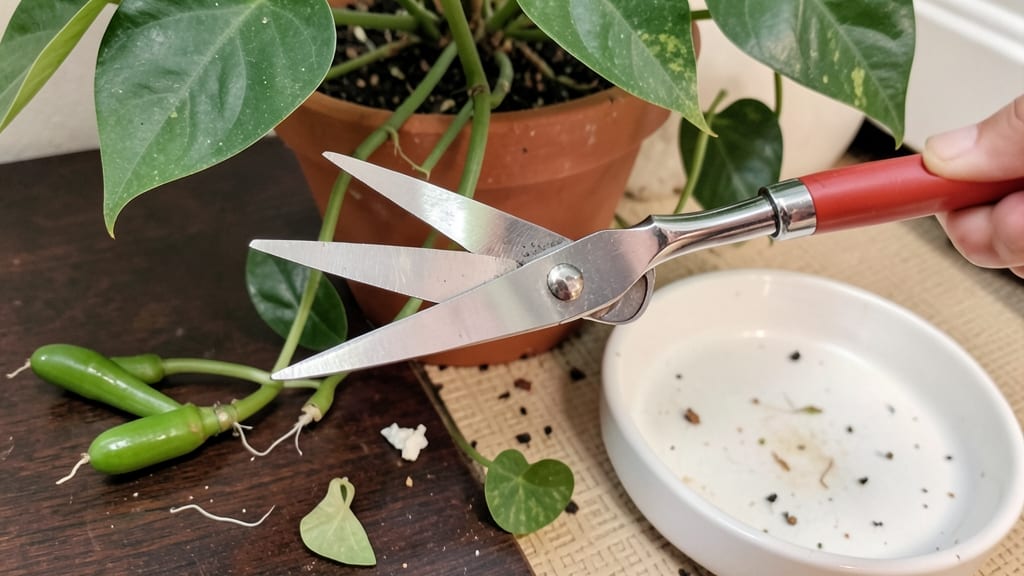
Pruning your philodendron isn't just about cutting back—it's about unlocking that wild, jungle-vine energy your plant was born to have. 🌿 I've turned my leggy, sad-looking philodendrons into lush, trailing giants with just a few strategic snips, and you can too.
The key? Knowing when and how to prune without sending your plant into shock.
Start with sharp pruners and clean cuts—never tear stems—and focus on leggy growth or overcrowded spots. Pinch back new growth to encourage bushiness, and don’t toss those cuttings: they root easily in water.
After pruning, give your plant a little extra light and hold off on heavy watering for a few days. The results? Thicker foliage, longer vines, and a plant that looks like it belongs in a tropical greenhouse.
📚 In This Guide
- What you need
- Instructions
- Tips and common mistakes
- Wrapping up and next steps
What you need
- ● Sharp pruning shears or scissors – Look for bypass-style shears (like Felco or Fiskars) with a 5-inch blade for precision cuts.
- ● Rubbing alcohol (70% or higher) or hydrogen peroxide – 1 small bottle (4 oz) to sterilize tools before and after pruning.
- ○ Gloves (optional but recommended) – Nitrile or cotton gloves to protect your hands from sap and thorns (if dealing with Philodendron hederaceum varieties).
- ● Small container or tray – A shallow dish (8x10 inches) to collect cuttings for propagation.
- ○ Rooting hormone (optional but helpful) – 1 small tube (1 oz) to boost success when propagating cuttings.
- ● Healthy philodendron – Wait until your plant is actively growing (spring/summer) or has leggy stems (year-round). Avoid pruning stressed or diseased plants.
- ● Clean workspace – A flat surface (like a table) near a window or grow light for easy access.
- ● Water nearby – A spray bottle or small cup to hydrate cuttings if propagating.
Step-by-Step guide to pruning philodendron for full, bushy growth
Here’s how I keep my philodendrons thriving year-round—no dead spots, no leggy stems, just lush, trailing vines.
✂️ Step 1: Identify the Right Cuts for Health and Shape
Philodendrons grow by sending out new leaves from nodes along the stem. To encourage bushiness, focus on cutting just above a leaf node—where the leaf meets the stem—using clean, sharp pruning shears. This prevents tearing and promotes faster regrowth. I always make my cuts at a 45-degree angle to increase surface area for healing and reduce water pooling.
Look for stems that have grown too long or are bare at the base. These are perfect candidates for pruning. Avoid cutting healthy, trailing vines unless they’re overcrowding your space. The goal is to redirect energy into new growth, not just reduce size. If you’re unsure where to cut, count back 2-3 leaves from the tip—this ensures you leave enough stem for future growth.
🌿 Step 2: Prune Leggy or Overgrown Stems for Fullness
Leggy stems—those long, bare stretches with leaves only at the tips—are a sign your philodendron needs pruning to encourage denser growth. Snip the leggy section just above a node, and within 2-4 weeks, you’ll see new shoots emerging from that spot. I like to prune these in early spring when the plant is entering its active growth phase, but you can do it year-round if the stems are unsightly.
Don’t toss those cuttings! Place them in water to propagate new plants. You’ll see roots forming in 3-6 weeks, depending on warmth and humidity. This is a great way to multiply your philodendron collection without spending a dime. Just ensure the water stays clean and change it every 5-7 days to prevent bacterial growth.
✂️ Step 3: Trim Yellow or Damaged Leaves to Maintain Energy
Yellowing leaves or damaged foliage drain energy from your philodendron. Use your shears to snip these off at the base of the stem, making sure to cut cleanly. Avoid leaving stubs, as they can attract pests or rot. If a leaf is only partially damaged, you can trim just the affected section, but full removal is best for overall plant health.
Here’s the thing—philodendrons are tough, but they’ll thank you for keeping them tidy. After trimming, wipe down the leaves with a damp cloth to remove dust and allow better light absorption. This also helps you spot pests early, like spider mites or mealybugs, which love hiding in crevices. If you notice any, treat them immediately with neem oil or insecticidal soap.
🌱 Step 4: Encourage New Growth with Strategic Pruning
For a fuller, bushier philodendron, prune the tips of the main stems to encourage branching. Cut just above a node, and within weeks, you’ll see two or three new shoots growing from that spot. This technique works best in spring or early summer, when the plant is actively growing. Avoid heavy pruning in fall or winter, as the plant needs energy to recover before dormancy.
You’ll know you’ve pruned correctly when you see new leaves emerging from the nodes. Keep the soil lightly moist but not soggy—philodendrons prefer 60-75% humidity and bright, indirect light. If your plant is root-bound, now’s a great time to repot it into a slightly larger container with fresh potting mix. This gives the roots room to spread and supports the new growth you’re encouraging.
⏰ Step 5: Clean Up and Monitor for Long-Term Success
After pruning, clean your shears with rubbing alcohol to sterilize them and prevent the spread of disease. This is especially important if you’ve been working with multiple plants. Once everything is trimmed, step back and admire your work. Your philodendron should look healthier, with more defined shape and fewer bare spots.
Monitor your plant closely in the weeks following pruning. If new growth appears slow, check for adequate light—philodendrons need bright, indirect light to thrive. If the leaves start yellowing again, it could be a sign of overwatering or poor drainage. Adjust your care routine accordingly, and don’t hesitate to prune again if needed. With regular maintenance, your philodendron will stay lush and vibrant for years.
Tips & tricks for pruning philodendron to keep it lush year-round
These simple yet powerful techniques will help you transform leggy stems into a full, vibrant philodendron that thrives all season.
The Angle Matters: That 45-degree cut in Step 1 isn't just for looks—it increases surface area for faster healing and prevents water pooling that can lead to rot. Use sharp pruning shears and make clean cuts just above the node where leaves meet the stem. If your cuts look jagged, you're either using dull tools or cutting at the wrong angle.
Timing for Maximum Impact: While you can prune year-round, spring and early summer are prime times because your philodendron is entering its active growth phase. In Step 2, when you see those leggy stems, act quickly—waiting too long means the plant has already redirected energy elsewhere. For best results, prune after you've noticed new growth starting in spring.
Propagate with Purpose: Those cuttings from Step 2 aren't waste—they're free plants! Place them in water with just the nodes submerged, and you'll see roots forming in 3-6 weeks. Change the water every 5-7 days to prevent bacterial growth. Pro tip: Use a clear container so you can watch those roots develop—it's oddly satisfying (and motivating to keep your cuttings healthy!).
Pest Prevention: After trimming in Step 3, wipe down leaves with a damp cloth to remove dust and spot potential pests early. Spider mites and mealybugs love hiding in crevices, so check the undersides of leaves too. If you notice webbing or cottony residue, treat immediately with neem oil or insecticidal soap—these are plant-safe but effective against common pests.
Pro Tips for Prune Philodendron
- These simple yet powerful techniques will help you transform leggy stems into a full, vibrant philodendron that thrives all season.
- The Angle Matters: That 45-degree cut in Step 1 isn't just for looks—it increases surface area for faster healing and prevents water pooling that can lead to rot.
- Timing for Maximum Impact: While you can prune year-round, spring and early summer are prime times because your philodendron is entering its active growth phase.
Frequently asked questions
Got questions about pruning your philodendron?
You’re not alone! Here are answers to the most common concerns—so you can keep your vines thriving without stress.
When is the best time to prune a philodendron?
Philodendrons are forgiving, so you can prune almost anytime! However, spring or early summer is ideal—this gives your plant time to recover and grow before cooler months. Avoid heavy pruning in fall/winter, as growth slows down. Pro tip: If you spot yellow or dying leaves, trim them immediately—they’re just taking energy from healthy growth!
Can I propagate from my pruned cuttings?
Philodendron cuttings root easily in water or soil. Just snip a healthy stem with at least 2-3 nodes (those little bumps where leaves grow), remove lower leaves, and place it in water or moist potting mix. Keep it warm and humid, and you’ll have new plants in 2-4 weeks. Bonus: It’s a great way to multiply your collection for free!
What if I prune too much? Will my philodendron die?
Don’t panic! Philodendrons are resilient. If you’ve trimmed more than 1/3 of the plant, it might take a few weeks to bounce back, but it won’t die. Focus on watering consistently (but not overwatering) and placing it in bright, indirect light. New growth will sprout from the stem nodes—just give it patience and care!
How do I know if I’m pruning correctly?
You’re on the right track if:
- You’re cutting just above a node (where leaves or roots grow).
- You’re removing yellow, brown, or damaged leaves—never healthy green ones.
- You’re using clean, sharp scissors (not tearing the stems).
Can I prune a philodendron in winter?
Yes, but lightly. Winter is dormancy season, so limit pruning to dead or dying leaves only. Avoid heavy trimming—your plant needs its energy to survive cooler temps. If you must prune, wait until late winter (February) to encourage spring growth. Keep it in a warm spot (65°F+ / 18°C+) to help recovery.
Wrapping up and next steps
Pruning your philodendron isn’t just about keeping it tidy—it’s the secret to longer vines, fuller foliage, and a thriving plant! 🌿 Whether you’re trimming leggy stems, encouraging bushier growth, or propagating cuttings, the key is confidence and consistency.
With the right tools, timing, and technique, you’ll have a lush, trailing masterpiece in no time.
Ready to level up your green thumb game? Grab those shears and start pruning—your philodendron (and future plant babies!) will thank you. Next up: Share your pruned cuttings with a friend or experiment with different propagation methods to expand your plant family! 🌱