
Pruning
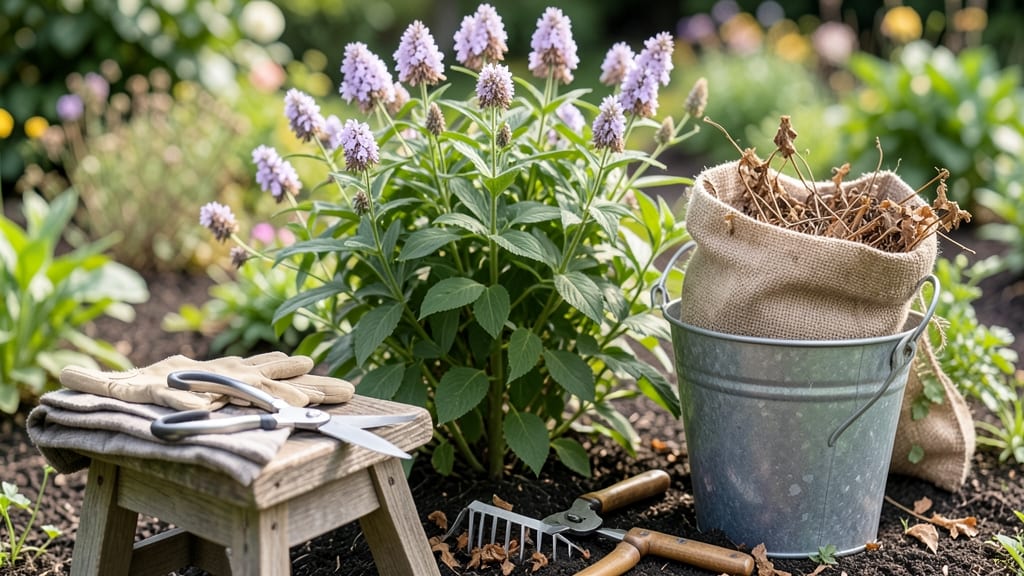
Late winter pruning gives phlox a fresh start for next year’s showstopper blooms. ✂️ I’ve learned the hard way that cutting too early leaves plants vulnerable to frost, while waiting too long means missing the sweet spot for vigorous new growth.
The key is timing—after the ground freezes but before spring shoots appear—when the plant’s energy is stored safely underground.
You’ll need sharp pruners, gloves, and a clear day to work. Cut back one-third to half of last year’s stems to just above the lowest set of healthy buds or growth nodes.
This might sound drastic, but phlox rebounds beautifully—think of it as a haircut that reveals a stronger, fuller head of blooms come summer. The goal is to remove dead or weak stems while encouraging fresh, sturdy growth from the base.
What you’ll end up with is a phlox patch that blooms earlier, denser, and more vibrant than ever before. The plants stay healthier, resist disease better, and put all their energy into producing those classic clusters of pink, purple, or white flowers.
In colder zones, a light mulch after pruning helps protect roots from extreme temperatures.
Here’s the best part: this method works whether you’re in a snowy Midwest garden or a milder Southern climate. Just adjust your timing—prune in late February in cold zones, or as late as early March in warmer areas.
And if you miss the window? No stress—phlox is forgiving, but a little effort now means months of effortless beauty later.
📚 In This Guide
- What you need
- Instructions
- Tips and common mistakes
- Wrapping up and next steps
What you need
- ● Bypass pruners or shears – Sharp, clean pruners (1 pair) with a 4- to 6-inch blade for clean cuts.
- ● Garden gloves – Durable, cut-resistant gloves (1 pair) to protect hands from thorns or rough stems.
- ● Disinfectant (rubbing alcohol or bleach solution) – 70% isopropyl alcohol or 1-part bleach to 9-parts water to sterilize tools and prevent disease spread.
- ○ Garden twine or plant ties – Optional but helpful (1 roll) for securing tall stems if needed.
- ● Garden rake or leaf blower – For clearing debris after pruning.
- ● Compost bin or bag – To dispose of pruned stems (avoid composting if phlox shows signs of disease).
- ● Hand pruners (felco or ratchet-style) – For thicker stems (if your phlox has woody growth).
- ● Loppers – For larger, overgrown phlox bushes (if stems exceed 1-inch thickness).
- ● Pruning saw – For stubborn, thick stems (rarely needed for most phlox varieties).
- ● Mulch (straw, shredded leaves, or pine needles) – To protect roots after pruning (2-3 inches thick).
- ● Plant marker or labels – If you have multiple phlox varieties to track which ones you’ve pruned.
Step-by-step instructions for pruning phlox for winter
Here's how I prepare my phlox for winter—this method keeps them healthy and ensures next year's blooms are even more vibrant.
✂️ Step 1: Time Your Cut Correctly
Wait until after your first hard frost but before the ground freezes—typically late fall to early winter. I prune mine in mid-November when the foliage has browned but hasn't been buried under snow. Cutting too early leaves plants vulnerable to late-season pests, while waiting too long risks damaging dormant buds.
Check your local frost dates first. If you're in zone 5 or colder, aim for 6-8 weeks after your first frost. In milder zones (6-8), you might have until December. The key is that the plant should look dormant but still structurally sound—no mushy stems or mold.
✂️ Step 2: Cut Back to the Right Height
Use clean, sharp pruners to cut back stems to 2-3 inches above the ground. This height protects the crown from winter moisture while allowing new growth to emerge quickly in spring. I always make clean cuts at a 45-degree angle just above a leaf node to prevent water from pooling.
Don't cut too low—you'll risk damaging next year's buds. And never cut into woody stems; you want to leave the green growth that will sprout first. If your phlox is particularly woody, cut just above the first set of healthy growth you see at the base.
✂️ Step 3: Remove Dead and Diseased Foliage
Before cutting back, remove any remaining dead or diseased foliage. Toss these in the trash—not the compost—since they can harbor fungal spores. I like to do this first so I can see where the healthy growth starts. Look for stems that are brown all the way through or have black spots.
If you notice powdery mildew (a common phlox problem), this is your chance to eliminate it. Scrub the stems with a 1:9 bleach-water solution if needed, then rinse with water. Healthy stems should be firm and green underneath the browned leaves. Never prune when foliage is still green—wait until it's fully browned.
💧 Step 4: Mulch and Protect the Crown
After pruning, spread 3-4 inches of mulch around the base, keeping it 2 inches away from the stems to prevent rot. I use shredded leaves or straw because they break down slowly and provide insulation. This protects the crown from extreme temperature fluctuations and keeps moisture levels even.
For extra protection in very cold climates, add a 4-inch layer of evergreen boughs over the mulch. This creates a mini insulated blanket that shields the plant from harsh winds. Remove the boughs in early spring once new growth appears—usually by late March or April.
☀️ Step 5: Water Lightly Before Winter Sets In
Give the plants a deep but gentle watering 1-2 weeks before your first expected hard frost. This hydrates the roots without oversaturating the soil. I water in the morning so any excess moisture has time to drain. Avoid watering after pruning—wait at least a week to let small cuts heal.
Check soil moisture by sticking your finger 1 inch deep. If it's dry, water again. The goal is moist but not soggy soil entering winter. Overwatering now can lead to crown rot, while underwatering stresses the plant. This final watering helps the phlox store energy for spring growth.
Tips & tricks for pruning phlox for winter
A few key tricks will help you avoid common mistakes and ensure your phlox thrives next spring.
Timing is Everything: The 6-8 week window after your first frost is critical—this gives the plant time to harden off but still protects against late-season pests. If you're unsure about frost dates, use a simple rule: prune when foliage is completely brown but stems are still firm, not mushy. This visual cue is your best guide, especially if you're in a transitional climate zone.
Pruner Sharpness Matters: Dull pruners crush stems instead of making clean cuts, which can invite disease. I always test my pruners on a few stems first—they should cut through cleanly without tearing. For large clumps, consider using hedge shears for efficiency, but keep them sharp too. A quick wipe-down with rubbing alcohol between cuts prevents spreading any potential pathogens.
Mulch Depth Makes a Difference: That 3-4 inch layer of mulch isn't just decoration—it's insulation. I've seen phlox survive -20°F winters with proper mulching, but skimpy layers won't protect against temperature swings. For extra insurance in cold climates, add the 4-inch evergreen layer over mulch. Just remember to remove it in early spring once you see new growth—usually by late March or April—so the plant doesn't suffocate.
Watering Wisdom: The 1-2 week watering window before frost is your last chance to hydrate the roots properly. I always check soil moisture by sticking my finger 1 inch deep—if it's dry, water thoroughly but avoid creating puddles. This final drink helps the plant store energy for spring growth without risking crown rot from oversaturation.
Pro Tips for Prune Phlox For Winter
- A few key tricks will help you avoid common mistakes and ensure your phlox thrives next spring.
- Timing is Everything: The 6-8 week window after your first frost is critical—this gives the plant time to harden off ...
- Pruner Sharpness Matters: Dull pruners crush stems instead of making clean cuts, which can invite disease. I always t...
Frequently asked questions
Got questions about pruning phlox for winter? You’re not alone!
Here are answers to the most common concerns—so you can confidently prep your garden for spring blooms.
When is the exact best time to prune phlox for winter?
Prune phlox after the first hard frost (when foliage turns brown and dies back) but before winter storms. Late fall to early winter (November–January, depending on your climate) is ideal. Cutting too early can expose stems to cold damage, while waiting too long may leave dead foliage that harbors pests. Pro tip: If snow covers your garden, prune after it melts!
Do I need to cut phlox all the way to the ground?
Not necessarily! For perennial phlox (like garden phlox), cut back about 2–3 inches above the ground to remove dead foliage while preserving next year’s buds. For annual phlox, you can shear it closer to the base. Warning: Over-pruning may reduce spring blooms—leave a little stub for safety!
What if I forget to prune phlox before winter?
Don’t panic! If you miss the window, wait until early spring (just as new growth appears) to trim. Remove any mushy or moldy stems first, then cut back old growth. Bonus: This gives beneficial insects a safe habitat over winter. Just avoid pruning during active growth in spring—you’ll cut off potential blooms!
Can I use the same pruners for phlox as I do for roses?
Yes, but sterilize them first! Disinfect your pruners with rubbing alcohol or a 10% bleach solution to prevent spreading diseases like powdery mildew (common in phlox). Use sharp, clean pruners for clean cuts—dull blades crush stems, inviting infections. Pro move: Keep a small spray bottle of bleach water handy for quick cleanups between cuts!
Will pruning phlox for winter affect next year’s flowers?
Not if done correctly! Proper winter pruning encourages healthier, fuller blooms by removing dead growth and redirecting energy. Just avoid cutting into woody stems—focus on the top 1/3 of the plant. Fun fact: Some gardeners swear by a light spring haircut to shape phlox, but winter is the real game-changer for bold blooms!
Wrapping up and next steps
Pruning your phlox in late fall or early winter isn’t just about tidying up—it’s your secret weapon for show-stopping blooms next spring! By cutting back dead foliage and shaping your plants, you’ll encourage stronger growth, prevent disease, and keep your garden looking effortlessly chic. 🌸✨
Ready to take action? Grab your pruners and head outside—your future phlox paradise starts with just a few strategic snips. Happy pruning!