
Pruning
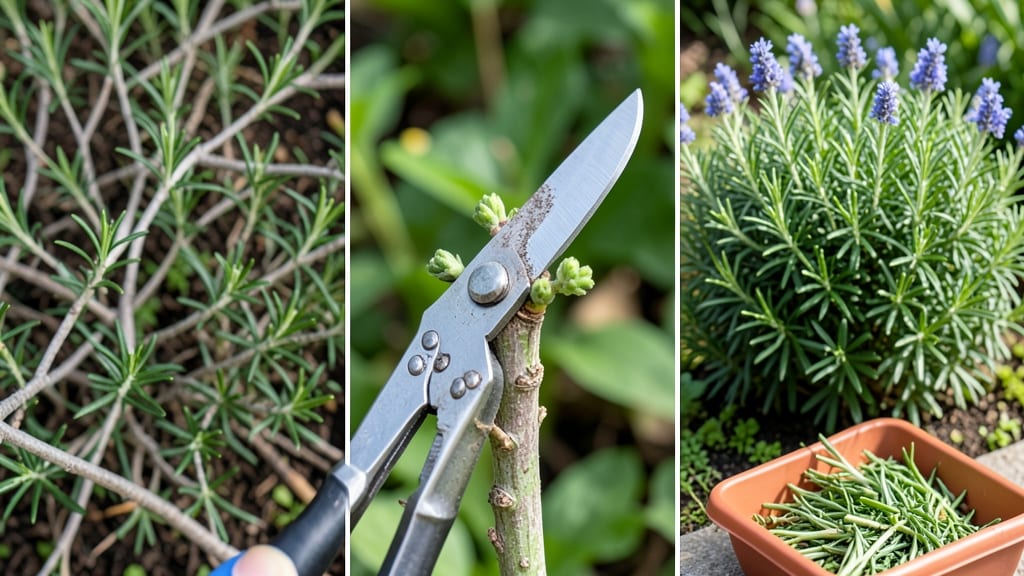
Pruning rosemary isn’t just about keeping it neat—it’s how to prune rosemary to promote growth in thicker, hardier plants that produce more flavorful stems year after year. ✂️ I've learned the hard way that skipping this step leads to leggy, woody growth that struggles to recover.
The right cuts encourage new branches, improve airflow, and keep pests at bay, while the wrong approach can stunt your plant for months. Start with clean, sharp pruners and focus on shaping rather than shearing.
Cut just above a leaf node at a 45-degree angle to prevent water from pooling, and never remove more than one-third of the plant at once. This method works for both potted rosemary and in-ground bushes, and you'll see fresh green growth within 2-3 weeks of pruning.
The payoff is immediate: your rosemary will develop a fuller shape, resist drought better, and produce more tender stems for cooking. Even if you've killed rosemary before, this technique is foolproof—just follow the timing and you'll avoid the most common mistakes.
For best results, prune lightly in spring and again after harvest, but avoid heavy cuts in winter when the plant is dormant. Whether you're growing rosemary for the kitchen or the garden, this approach keeps it productive for years.
📚 In This Guide
- What you need
- Instructions
- Tips and common mistakes
- Wrapping up and next steps
What you need
- ● Bypass pruners – Sharp, clean bypass pruners (not anvil pruners) to make precise cuts without crushing stems. Choose a size that fits your hand comfortably (4- to 6-inch blades work well for most rosemary plants). Quantity: 1 pair.
- ● Hand pruners or shears – For smaller stems or trimming inside tight spaces. Opt for ergonomic handles to reduce hand fatigue. Quantity: 1 pair.
- ○ Gloves – A pair of gardening gloves (nitrile or leather) to protect your hands from thorns and rough stems. Optional but recommended.
- ● Disinfectant (70% isopropyl alcohol or rubbing alcohol) – To sterilize your tools before and after pruning. Prevents the spread of disease. Quantity: Small bottle.
- ● Sharpie or permanent marker – For labeling cuttings if you plan to propagate new plants. Quantity: 1.
- ● Plastic bags or containers – To collect and transport cuttings for propagation. Quantity: 1-2.
- ● Horticultural oil or pruning sealant – Apply to larger cuts to prevent disease entry (especially in humid climates). Quantity: Small bottle.
- ● Rooting hormone – Speeds up root growth if you’re propagating cuttings. Quantity: Small tube.
- ● Pruning saw – Only needed if your rosemary has become very woody and thick. Quantity: 1.
- ● Water spray bottle – Lightly mist cuttings to keep them hydrated during propagation. Quantity: 1.
- ○ Notebook or app – To track pruning dates, plant growth, and notes on your rosemary’s health. Optional but fun!.
Step-by-Step guide to pruning rosemary for thicker growth
Here’s how to coax your rosemary into a bushier, hardier plant with simple cuts and timing.
✂️ Step 1: Identify the Right Time to Prune
Spring is your best window—right after the last frost but before new growth kicks in. You’ll see fresh, bright green shoots emerging from the base, signaling it’s time. Avoid pruning in fall or winter, as rosemary needs its foliage to protect it from cold snaps.
If you missed spring, a light trim in early summer works too, but never cut back more than ⅓ of the plant at once. Over-pruning stresses rosemary, and it may take years to recover. Watch for woody stems—these are dead growth and should be removed entirely, while green, flexible stems are still active.
✂️ Step 2: Use the Right Tools and Technique
Grab sharp, clean pruning shears—dull blades crush stems, inviting disease. Wipe them with rubbing alcohol before and after use to prevent spreading bacteria. Cut just above a leaf node (the bump where leaves grow) at a 45-degree angle to keep water from pooling on the stem.
Never shear blindly—rosemary grows in woody stems, so focus on selective pruning. Trim back leggy branches to encourage side shoots. You’ll notice new growth sprouting from the cut area within 2-3 weeks if the conditions are right. Avoid cutting into old, bare wood—it won’t regrow.
☀️ Step 3: Prune for Shape and Airflow
Step back and shape your rosemary like a topiary—aim for a rounded, full form. Cut back the longest branches first to balance the plant’s height. Thin out crowded stems to improve airflow, which reduces fungal risks. You’ll see the plant’s natural shape emerge as you remove dead or crossing branches.
For container-grown rosemary, prune lightly every 4-6 weeks to maintain size. If it’s sprawling, trim the tips to encourage bushier growth. Avoid heavy pruning in late summer—new growth won’t harden off before winter, leaving it vulnerable to frost damage.
💧 Step 4: Post-Prune Care for Recovery
Water deeply after pruning to help the plant recover—1 inch of water at the base is enough. Rosemary hates soggy roots, so avoid overwatering. The first few weeks are critical; watch for wilting or yellowing leaves, which signal stress. If you see this, reduce watering and move the plant to a sunnier spot.
Fertilize lightly with a balanced, water-soluble fertilizer (10-10-10) diluted to half strength. Too much nitrogen encourages leafy growth at the expense of woody structure. Mulch around the base with 2-3 inches of gravel or coarse sand to prevent soil moisture from pooling—rosemary roots need to breathe.
⏰ Step 5: Year-Round Maintenance for Long-Term Health
In spring and summer, snip off any woody or dead stems as you spot them. This keeps the plant tidy and prevents disease. If your rosemary flowers, let a few blooms go to seed—they attract pollinators, but deadhead the rest to redirect energy into foliage growth.
In fall, give your rosemary a light trim to remove any frost-damaged tips. Protect potted plants by moving them to a sheltered spot or bringing them indoors before temperatures drop below 20°F. With consistent pruning, your rosemary will grow thicker, fuller, and more resilient year after year.
Tips & tricks for pruning rosemary to encourage growth
These simple yet powerful techniques will help you transform your rosemary from sparse to lush without stressing the plant.
Timing is Everything: In Step 1, when you're checking for those fresh green shoots after the last frost, look for stems that are at least 4-6 inches long before cutting. This ensures you're removing enough growth to stimulate new shoots while leaving enough foliage to protect the plant. In early summer, if you missed spring, focus on trimming only the leggiest branches—never take more than ⅓ of the plant at once, or you risk shocking it into dormancy.
Tool Technique: Step 2 emphasizes using sharp shears, but here's what nobody tells you—your cutting angle matters just as much. That 45-degree angle isn't just for looks; it creates a larger surface area for water to evaporate from, reducing the risk of rot. Also, always cut just above a leaf node where new growth can emerge. If you accidentally cut into old, bare wood, that section won't regrow, so be patient and look for those green, flexible stems.
Shape Matters: When shaping your rosemary in Step 3, think of it like sculpting a topiary. Cut back the longest branches first to create balance—this encourages the plant to fill out from the base upward. For container plants, that 4-6 week schedule works perfectly, but if you notice new growth appearing faster, you can trim slightly more often. The key is to always leave at least ⅔ of the plant untouched to maintain its structural integrity.
Recovery Secrets: After pruning, the first 2-3 weeks are critical for recovery. That 1 inch of water should be applied directly at the base, not overhead—rosemary hates wet foliage. If you notice wilting, it's better to wait a few days before watering again. And that 2-3 inches of gravel mulch isn't just decorative; it prevents soil moisture from pooling around the roots, which rosemary absolutely despises.
Pro Tips for Prune Rosemary To Promote Growth
- These simple yet powerful techniques will help you transform your rosemary from sparse to lush without stressing the ...
- Timing is Everything: In Step 1, when you're checking for those fresh green shoots after the last frost, look for ste...
- Tool Technique: Step 2 emphasizes using sharp shears, but here's what nobody tells you—your cutting angle matters jus...
Frequently asked questions
Got questions about pruning rosemary?
You’re not alone! Here are answers to the most common concerns—so you can keep your rosemary thriving with confidence.
When is the best time to prune rosemary?
Prune rosemary after it flowers (late spring to early summer) to encourage new growth. Light trims can also happen in early spring to shape the plant. Avoid heavy pruning in fall or winter, as rosemary is semi-dormant and may struggle to recover. Pro tip: If you live in a mild climate, a light trim in late summer can prevent legginess!
How much should I cut off rosemary when pruning?
Never remove more than one-third of the plant at once—rosemary is resilient but not indestructible! For shaping, trim back just above a leaf node (where leaves meet the stem) to encourage branching. If your rosemary is woody or overgrown, focus on revitalizing the center by cutting back old stems to 6–12 inches from the base.
Do I need to water rosemary more after pruning?
Rosemary is drought-tolerant, but pruning stimulates new growth, which does need moisture. Water lightly after pruning (about 1 inch of water), then return to your normal watering schedule (only when the soil is completely dry). Overwatering is worse than underwatering—rosemary hates soggy roots!
What if my rosemary turns brown or crispy after pruning?
Brown tips or crispy leaves usually mean stress from over-pruning, underwatering, or heat. If this happens, trim back only the damaged parts and reduce watering (rosemary often recovers in dry conditions). For severe browning, check for pests (like spider mites) or fungal issues—neem oil can help if needed. Good news: Rosemary often bounces back with proper care!
Can I prune rosemary indoors or in containers?
Container-grown rosemary follows the same rules as outdoor plants, but prune more frequently (every 4–6 weeks) to prevent root-bound stress. Use well-draining soil and a pot with drainage holes. If your indoor rosemary gets leggy, move it to a sunniest spot (at least 6 hours of light daily) and prune the top to encourage bushier growth.
Wrapping up and next steps
Pruning rosemary isn’t just about keeping your plant tidy—it’s the secret to unlocking thicker, bushier growth and a longer lifespan for your herb. By following the right timing, techniques, and tools, you’ll encourage a hardier plant that thrives year-round.
Whether you’re trimming for shape, harvesting, or rejuvenation, consistency is key—so grab those shears and get pruning!
Ready to see your rosemary flourish? Start small—pick one section to prune this week, then build your confidence as you go. Before you know it, you’ll have a lush, fragrant bush that’s the envy of every gardener! 🌿✨