
Pruning
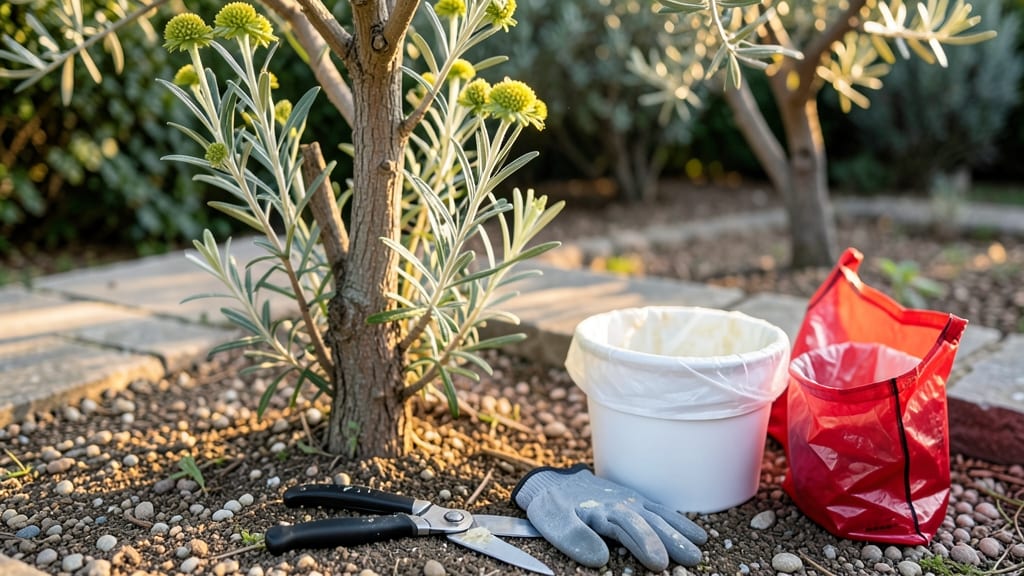
Pruning spurge isn't just about keeping it tidy—it's the secret to longer blooms and bushier growth. 🌿 I learned this the hard way after my spurge turned into a leggy, sparse mess from over-pruning last spring.
The key is timing: prune right after flowering, when the plant shifts energy from blooms to next year's growth.
You only need clean pruners and a sharp eye for dead or weak stems. Cut back by one-third to encourage dense foliage, but never remove more than that—spurge is tough but not indestructible. The goal is to shape it while leaving enough leaves to feed the plant through summer.
After pruning, your spurge will bounce back with new shoots within weeks, and those stems will pack more flowers than before. The trick is consistency: repeat the process yearly, and you'll end up with a plant that looks fuller and blooms harder than anything from the nursery.
Fair warning: spurge sap can irritate skin, so wear gloves. And skip the heavy-handed cuts—this isn't a hedge, it's a delicate shrub that rewards gentle pruning with bold, vibrant growth. Once you master the rhythm, you'll wonder why you ever hesitated.
📚 In This Guide
- What you need
- Instructions
- Tips and common mistakes
- Wrapping up and next steps
What you need
- ● Pruning shears: A sharp, bypass-style pair (4–6-inch blades) for clean cuts. Dull shears crush stems—avoid this!
- ● Gloves: Heavy-duty, chemical-resistant gloves (e.g., nitrile-coated) to protect against sap irritation.
- ● Disinfectant: 70% isopropyl alcohol or a bleach solution (1 part bleach to 9 parts water) to sterilize tools between cuts.
- ● Trash bags: 13-gallon contractor bags for debris (spurge sap is sticky—line your bin!).
- ○ Garden twine or zip ties: For securing large branches post-pruning (optional but handy).
- ● Loppers: For thicker stems (>1 inch diameter).
- ● Hand pruners: For precision work on small spurge varieties.
- ● Safety glasses: If working with dense foliage to avoid sap splashes.
- ● Garden hose or spray bottle: To rinse tools and hands post-pruning (spurge sap dries fast!).
- ● Notebook & pen: To track pruning dates or note plant responses.
- ● Timing: Prune on a dry, overcast day (avoid midday heat—stresses plants).
- ● Weather check: No rain forecasted for 24–48 hours post-pruning.
- ● Plant health: Wait until spurge is fully dormant (late fall/early winter) or post-bloom (summer).
- ● Safety first: Wear long sleeves/pants—spurge sap can cause skin irritation.
Step-by-step guide to pruning spurge for healthy growth
Pruning spurge isn’t just about cutting back—it’s about encouraging fuller blooms and preventing leggy stems.
✂️ Step 1: Identify What to Prune
Spurge thrives when you remove spent blooms and leggy growth. Start by inspecting your plant for dead or brown stems—these should go first. Use sharp pruners to cut just above a leaf node or where the stem meets the main plant. This ensures new growth will sprout from a strong point.
Next, look for overly long, bare stems reaching outward. These steal energy from blooming. Trim these back to where you see healthy leaves or buds. You’ll notice the plant’s center fill in faster after this step.
✂️ Step 2: Deadhead for More Blooms
Deadheading isn’t just cutting flowers—it’s redirecting the plant’s energy. Use your fingers or clean pruners to pinch off faded blooms right at the base. Avoid leaving stubs; spurge responds well to clean cuts. I like to do this every 2-3 days during peak bloom time to keep the plant producing.
Watch for new buds forming after deadheading. These will open into fresh blooms if the plant isn’t stressed. If you see yellowing leaves, that’s a sign you’re pruning too aggressively—scale back to just deadheading.
☀️ Step 3: Shape for Fullness
Spurge grows in a bushy habit, so light shaping keeps it compact. Trim the outermost growth to encourage inward branching. Cut just above a leaf node to promote new shoots. This step is best done in early morning when the plant is hydrated.
If your spurge looks top-heavy, focus on trimming the top 1/3 of the plant. You’ll see fuller growth within 4-6 weeks as new branches fill in. Avoid cutting more than 1/3 of the plant at once—this can stress it.
⏰ Step 4: Seasonal Pruning Timing
Prune spurge in early spring to remove winter damage and encourage new growth. This is also when you’ll see the most vigorous regrowth. In late summer, do a light trim to prep for fall blooming. Avoid heavy pruning in winter—the plant needs energy to survive dormancy.
After pruning, water deeply to help the plant recover. You’ll notice fresh green growth within 7-10 days if conditions are right. If growth stalls, check for pests or overwatering—both can hinder recovery.
Tips & tricks for pruning spurge like a pro
Pruning spurge might seem intimidating, but these simple tricks will help you avoid common mistakes and keep your plant thriving.
Timing is Everything: The 2-3 day deadheading schedule in Step 2 is critical—this prevents the plant from wasting energy on seed production. If you notice new buds forming within a week, you're on the right track! The key is consistency, not perfection. Even if you miss a day, don't stress—just get back on schedule as soon as you can.
Tool Selection Matters: Sharp pruners are non-negotiable for clean cuts that heal properly. Dull tools crush stems, making recovery harder. I recommend sterilizing your pruners with rubbing alcohol between cuts to prevent disease spread. For delicate deadheading, your fingers work perfectly—just pinch cleanly at the base without leaving stubs.
Seasonal Strategy: Early spring pruning in Step 4 is your best bet for vigorous regrowth, but don't overlook late summer maintenance. This second trim helps spurge prepare for fall blooming by removing any leggy growth that might have developed during summer's rapid growth. Think of it as a spring clean and a fall tune-up for your plant.
Recovery Watch: After pruning, those 7-10 days of waiting for new growth are crucial. If you notice yellowing leaves during this period, it's usually a sign of over-pruning or stress. Scale back next time—remember, spurge responds best to gradual shaping rather than drastic cuts. A deep watering after pruning helps the plant bounce back faster.
Pro Tips for Prune Spurge
- Pruning spurge might seem intimidating, but these simple tricks will help you avoid common mistakes and keep your pla...
- Timing is Everything: The 2-3 day deadheading schedule in Step 2 is critical—this prevents the plant from wasting ene...
- Tool Selection Matters: Sharp pruners are non-negotiable for clean cuts that heal properly. Dull tools crush stems, m...
Frequently asked questions
When’s the best time to prune spurge?
Prune spurge in early spring (before new growth starts) or late fall to avoid stressing the plant. If you’re removing dead blooms (deadheading), do it throughout the growing season—just avoid heavy pruning in winter when the plant is dormant. Pro tip: Wait until temperatures are consistently above 50°F (10°C) to minimize shock.
Can I prune spurge too much?
Yes! Over-pruning—especially cutting back more than 1/3 of the plant at once—can stunt growth or leave it vulnerable to pests/disease. Spurge is resilient, but moderation is key. If you accidentally trim too much, don’t worry: healthy spurge often rebounds quickly with proper care.
What if my spurge isn’t blooming after pruning?
Lack of blooms usually means poor light or over-fertilizing. Ensure your spurge gets 6+ hours of sunlight daily and use a balanced, low-nitrogen fertilizer (like 10-10-10) in spring. If the issue persists, check for root-bound conditions—repotting may help!
Can I prune spurge indoors the same way?
Indoor spurge (like Euphorbia pulcherrima) follows similar rules, but avoid heavy pruning—it’s more sensitive to stress. Focus on removing dead leaves and shaping lightly in spring. Use sterilized scissors to prevent fungal issues, and don’t prune near drafts (like AC vents).
Is spurge sap toxic? Should I wear gloves?
Yes! Spurge sap is irritating—it can cause skin rashes or eye irritation. Wear gloves (nitrile or latex) and avoid touching your face while pruning. If sap touches skin, wash immediately with soap and water. Keep pets/kids away until you’re done! Safety first!
Wrapping up and next steps
Pruning spurge is all about timing, technique, and confidence—once you master these, your plants will thrive with vibrant blooms and lush foliage! 🌿 By avoiding common deadheading mistakes and following the steps above, you’ll encourage healthier growth and prevent overcrowding.
Now that you’re equipped with the know-how, grab those pruners and give your spurge the care it deserves—your garden will thank you!
Next step: Schedule a quick pruning session this weekend and watch your spurge flourish! 🌟