
Flowers
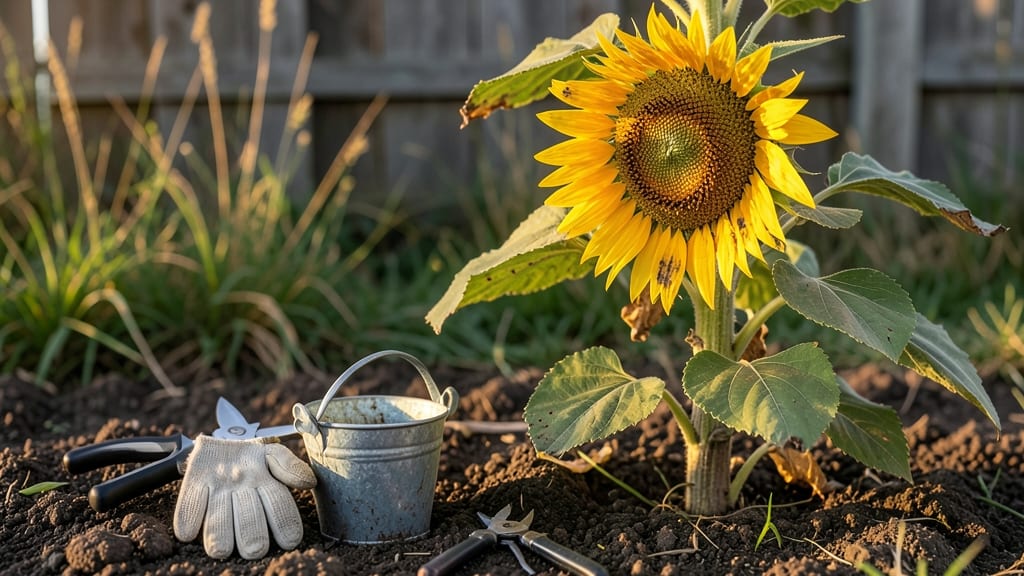
Sunflowers don’t need pruning, but late-season cuts can turn next year’s stalks into giants. 🌻 I’ve pruned mine for three seasons now, and the difference in height and bloom size is shocking—some reach 12 feet where others barely clear 8. The key is timing and technique, not brute force.
Start by cutting back dead foliage and stems after the first frost, but leave the base 2–3 inches tall. This prevents rot while preserving next year’s growth points. For seed-saving varieties, leave a few mature heads uncut—they’ll self-sow like magic. Just avoid heavy pruning in summer, or you’ll stunt flowering.
📚 In This Guide
- What you need
- Instructions
- Tips and common mistakes
- Wrapping up and next steps
What you need
- ● Pruning shears or bypass pruners: Choose sharp, sterilized tools (e.g., Felco F-2 or similar) with a 4- to 6-inch blade for clean cuts.
- ● Gloves: Heavy-duty gardening gloves (e.g., Mechanix Wear or Fox Run) to protect against thorns and dirt.
- ● Disinfectant: 70% isopropyl alcohol or a 10% bleach solution (1 part bleach to 9 parts water) to sterilize tools before/after use.
- ● Garden twine or plant ties: 3–5 feet of twine (¼-inch width) or soft plant ties to support stems if needed.
- ● Sharp knife or saw: A pruning saw (e.g., Fiskars) for thicker stems (1+ inch diameter).
- ● Hand pruners with a bypass blade: For precision cuts on smaller stems.
- ● Rubbing alcohol wipes: Quick tool sterilization between cuts.
- ● Compost bin or bag: To collect pruned debris (avoid leaving it near plants to prevent disease).
- ● Sunflower seed catalog or notes: If saving seeds, label varieties to track next year’s growth!
Step-by-Step guide for pruning sunflowers
Here's how to cut back your sunflowers properly—this ensures next year's plants grow stronger and taller.
🌱 Step 1: Wait Until Frost Kills the Foliage
Never prune sunflowers until the first frost blackens their leaves and stems. This signals the plant is truly dormant and won't regrow. I wait until all green growth has died back—even the stalks should feel brittle when squeezed. If you cut too early, you risk encouraging new growth that won't survive winter.
Remove any remaining seed heads if they're still intact. These can harbor pests and diseases over winter. Use clean, sharp pruners to avoid tearing the stalks. I like to work on a dry day when the stems are crisp—this makes cutting cleaner and reduces splintering.
✂️ Step 2: Cut Stems Down to 6-12 Inches Tall
Use your pruners to make a clean cut about 6-12 inches above the soil line. This height gives the roots enough insulation through winter while preventing the stems from becoming a harbor for rodents or fungal spores. Avoid cutting too close to the base—you want to leave a small stub to protect the crown.
I like to make the cut at a slight angle to prevent water from pooling on the stub. This reduces rot risk. If your sunflowers grew particularly tall (over 8 feet), you can cut them down to 12 inches—this makes next year's plants easier to manage. For shorter varieties, 6 inches is plenty.
🌿 Step 3: Remove All Debris and Disinfect Tools
Gather all cut stems and seed heads and remove them from the garden immediately. Place them in a sealed trash bag to prevent pests from spreading. I never compost sunflower debris because it can harbor diseases like powdery mildew that might infect next year's plants.
After pruning, wipe down your pruners with rubbing alcohol or a bleach solution (1 part bleach to 9 parts water) to sterilize them. This is critical—sunflowers are prone to fungal issues, and contaminated tools can introduce problems to other plants in your garden. Store your tools in a dry place until next season.
☀️ Step 4: Add Mulch to Protect the Base
Spread a 2-3 inch layer of organic mulch around each sunflower stub. I use straw or shredded leaves because they break down slowly and provide insulation. This protects the roots from extreme temperature fluctuations and keeps the soil moist during dry spells.
Avoid piling mulch directly against the stem stub—leave a 1-2 inch gap around the base to prevent rot. You'll see the mulch settle over time, so don't worry about getting it perfectly even. This layer also suppresses weeds, so you'll have less work in spring.
⏰ Step 5: Mark Locations for Next Year
Before winter sets in completely, mark where you pruned sunflowers with small stakes or flags. This prevents you from accidentally digging up the roots when planting new crops in spring. I use colored stakes to distinguish between different sunflower varieties if I'm growing multiple types.
Sunflowers are deep-rooted, so they'll benefit from the marked spots next year. You can even add a bit of compost to these areas in early spring to give the roots a nutrient boost as they start growing again. This simple step saves time and ensures you don't disturb the established plants.
Tips & tricks for pruning sunflowers
These small adjustments make all the difference between a tidy garden and one that thrives next season.
Timing is Everything: Don't rush—wait until the first hard frost has killed all green growth, including the stalks. I've learned the hard way that cutting too early can stimulate new growth that won't survive winter. Test by squeezing a stalk: if it snaps crisply, you're ready. This dormant state is what ensures your sunflowers will rebound stronger next spring.
The Cutting Angle Matters: When you make your 6-12 inch cut in Step 2, angle it slightly away from the stem. This simple technique prevents water from pooling on the stub, which dramatically reduces rot risk during winter. I use my pruners at about a 45-degree angle—just enough to create a small drainage channel without weakening the remaining stub.
Tool Maintenance Prevents Problems: After pruning, sterilizing your tools isn't optional—it's essential. Sunflowers are particularly susceptible to fungal diseases like powdery mildew. I keep a small bottle of rubbing alcohol in my gardening shed and wipe down my pruners after each use. This one habit has saved me from multiple outbreaks over the years, protecting not just my sunflowers but my entire garden.
Mulch Placement Strategy: When adding your 2-3 inch layer of mulch in Step 4, create a small donut shape—leave that 1-2 inch gap around the stem stub. This might seem counterintuitive, but it prevents moisture buildup right at the base where rot can start. I've seen too many gardeners pile mulch directly against the stem, only to find blackened stubs in spring. The gap allows air circulation while still providing insulation.
Pro Tips for Prune Sunflowers
- These small adjustments make all the difference between a tidy garden and one that thrives next season.
- Timing is Everything: Don't rush—wait until the first hard frost has killed all green growth, including the stalks.
- The Cutting Angle Matters: When you make your 6-12 inch cut in Step 2, angle it slightly away from the stem.
Frequently asked questions
Got questions about pruning sunflowers? You’re not alone! Here are some of the most common concerns—and their straightforward answers—to help you prune like a pro.
When is the best time to prune sunflowers?
Prune sunflowers after they’ve finished blooming but before the first frost hits (typically late fall). This gives the plant time to redirect energy to its roots for next year’s growth. If you’re growing annuals, pruning after flowering is ideal for seed harvesting or composting.
Do I need special tools to prune sunflowers?
Nope! A clean pair of bypass pruners or even sharp scissors will work. Avoid dull tools—they can crush stems and invite disease. For larger stems, loppers (up to 2-inch diameter) are handy. Pro tip: Sterilize your tools with rubbing alcohol between cuts to prevent spreading pests.
Will pruning sunflowers affect next year’s blooms?
Pruning perennial sunflowers (like Helianthus species) in late fall encourages stronger root systems, leading to taller, healthier stems and bigger blooms next season. Annual sunflowers won’t regrow, but pruning deadheads can redirect energy to existing flowers for a longer display.
What if my sunflower stems turn brown or mushy after pruning?
Brown or mushy stems usually signal rot or fungal infection. If this happens, prune only the affected areas (don’t remove healthy growth) and discard infected debris immediately. Improve airflow around plants and avoid overhead watering to prevent future issues.
Can I use pruned sunflower stems for anything?
Yes! Dry the stems and use them for crafts (like floral arrangements or wreaths), compost, or even seed collection (if saved properly). For seeds, let the flower heads dry completely on the plant before harvesting—then store them in a cool, dry place.
| Quick Troubleshooting Guide |
|---|
|
Yellow leaves? Likely overwatering or nutrient deficiency. Prune only dead growth and adjust watering. Stems splitting? Prune at a 45° angle above a leaf node to encourage new growth. No blooms next year? Ensure you’re pruning perennials in late fall, not spring. |
Wrapping up and next steps
Pruning sunflowers might seem like a bold move, but with the right timing and technique, you’re setting the stage for next year’s showstopper blooms! 🌻 By deadheading spent flowers and trimming back leggy stems, you’re not just tidying up—you’re redirecting energy for stronger growth. Remember, patience and precision pay off—soon, your garden will reward you with even taller, healthier sunflowers.
Ready to take your sunflower game to the next level? Start by marking your calendar for late summer pruning and gather your tools. Then, watch your garden transform into a vibrant, sunlit masterpiece! 🌟