
How To
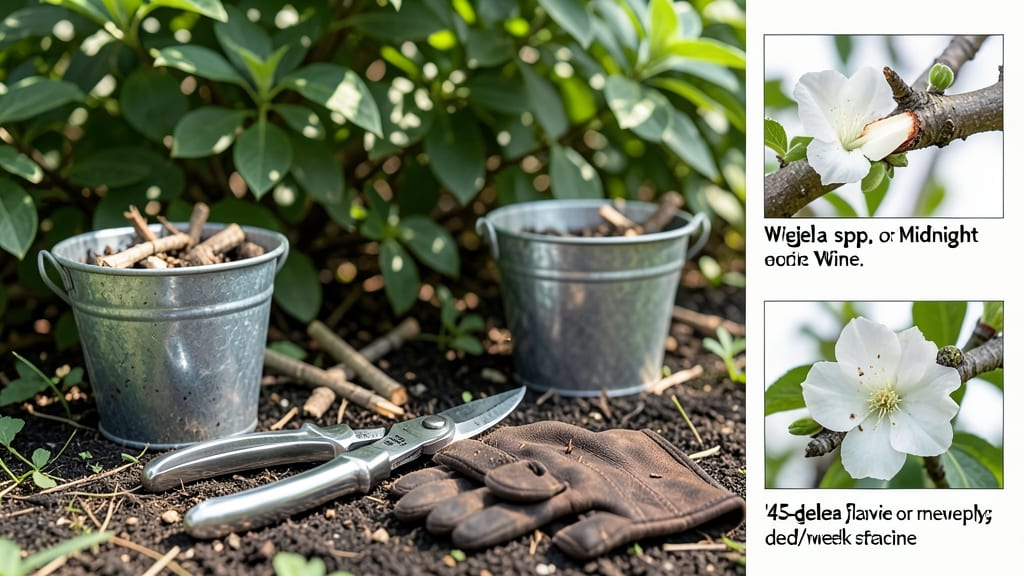
To prune weigela for next year's showstopping blooms, grab your shears and a sunny February morning—this is the secret to transforming your leggy shrub into a lush, flowering powerhouse. 🌸 I’ve turned my own overgrown weigela from a tangled mess into a bloom-covered star by following just three simple cuts, and the difference is night and day.
Start by removing dead or crossing branches first—they’re the plant’s energy vampires. Then cut back last year’s blooms by one-third to encourage fresh growth, and finally, trim any branches longer than 18 inches to keep the shape compact. The result?
A bush that bursts with vibrant pink or purple flowers in spring and stays healthy all season.
📚 In This Guide
- What you need
- Instructions
- Tips and common mistakes
- Wrapping up and next steps
What you need
- ● Bypass pruners: Sharp, clean pruners (1 pair) for cutting small to medium stems (¼"–½" thick). Look for ergonomic handles for comfort.
- ● Loppers: A sturdy pair (1) for thicker branches (½"–1.5" thick). Choose bypass-style for clean cuts.
- ● Hand saw: A small pruning saw (1) for any stubborn, oversized branches (over 1.5" thick). Carbon steel blades stay sharper longer.
- ● Garden gloves: Heavy-duty, cut-resistant gloves (1 pair) to protect your hands from thorns and rough bark.
- ● Disinfectant: 70% isopropyl alcohol or a 10% bleach solution (in a spray bottle) to sterilize tools between cuts and prevent disease spread.
- ● Rubbing alcohol wipes: For quick tool disinfection on the go.
- ○ Pruning sealant: Optional for sealing larger cuts (over ½"), but Weigela typically heals well without it.
- ● Ladder or step stool: If your shrub is tall (over 6 ft), ensure stability and safety.
- ● Trash bags: For collecting pruned branches and debris.
- ● Timing: Prune in late winter or early spring (before new growth starts, ideally in February–March). Avoid pruning after blooms appear.
- ● Weather: Choose a dry, calm day to prevent sap splatter and ensure clean cuts.
- ○ Safety gear: Safety glasses (optional but recommended) to shield eyes from debris.
Step-by-step instructions for pruning weigela
Late-winter pruning transforms weigela into a bushier, more vibrant performer—here's exactly how to do it right.
⏰ Step 1: Time Your Pruning for Maximum Impact
Prune weigela in late winter, just as new growth begins but before buds swell—typically February through early March in most climates. This timing ensures you remove dead wood while stimulating fresh spring growth. I wait until temperatures consistently stay above 40°F to avoid shocking the plant.
If you miss the late-winter window, you can still prune in early spring, but you'll sacrifice some of the plant's early-season blooms. Watch for the first signs of budding—when you see tight, rounded buds forming along the stems, that's your cue to act fast before they open.
✂️ Step 2: Remove Dead, Diseased, and Weak Wood
Start by cutting out any dead, diseased, or damaged branches using clean, sharp pruners. Dead wood appears brittle and snaps easily, while diseased branches may show signs of black spots or fungal growth. I always sterilize my tools with rubbing alcohol between cuts to prevent spreading pathogens.
Next, identify and remove any crossing or rubbing branches—these create wounds that invite pests and diseases. Look for stems growing inward toward the center of the plant; these compete for light and nutrients. Cut these back to the main stem or lateral branch at a 45-degree angle just above an outward-facing bud.
🌿 Step 3: Thin Out Overcrowded Branches
Weigela blooms on old wood, so avoid heavy pruning of mature stems. Instead, focus on thinning out the center of the plant to improve airflow and sunlight penetration. Remove about 25-30% of the oldest, thickest branches that are growing inward or downward.
Make your cuts just above a leaf bud or lateral branch, angling the cut slightly away from the bud. This encourages new growth in the right direction. If you're unsure which branches to remove, step back and look for areas where stems are crowded or leaves are sparse—these are your targets.
☀️ Step 4: Shape the Plant for Optimal Growth
Now it's time to refine the plant's shape. Weigela responds well to light pruning, so avoid drastic cuts. Focus on opening up the center and creating a rounded, balanced form. I like to step back every few cuts to visualize the plant's structure—this helps me avoid over-pruning.
For a more formal look, prune to create a slightly rounded top with a wider base. For a natural, wild look, leave the shape more organic but still ensure good airflow. Avoid cutting back more than one-third of the plant's height in a single season—this can stress the plant and reduce flowering.
🌱 Step 5: Clean Up and Monitor Recovery
After pruning, remove all clippings from the area to prevent disease spread. I like to compost the healthy wood but dispose of any diseased branches immediately. Water the plant deeply to help it recover from the stress of pruning, especially if the weather is dry or windy.
In the weeks following pruning, keep an eye out for new growth. Healthy weigela should show signs of fresh shoots within 2-4 weeks. If you notice any wilting, yellowing, or unusual growth, it could indicate stress or disease—adjust your care routine accordingly and monitor closely.
Tips & tricks for perfect weigela pruning
Here's what I've learned after years of pruning weigela—these details make all the difference between a stressed plant and a thriving one.
Timing Secret: The February-through-March window is non-negotiable for optimal results. I've found that waiting until daytime temperatures consistently stay above 40°F prevents shock to the plant while still catching dormant buds before they open. If you're in a colder zone, use a thermometer to confirm—this is your best defense against spring frost damage.
Tool Preparation: Sterilizing your pruners between cuts is absolutely critical, especially when dealing with diseased wood. I keep a small bottle of rubbing alcohol handy and wipe tools after every 3-4 cuts. This simple step prevents spreading fungal spores to healthy branches. I also sharpen my pruners annually—dull blades tear wood instead of making clean cuts, which stresses the plant.
Visual Cue for Pruning: When thinning branches in Step 3, look for the classic "V" shape where two branches cross. This is your target for removal. I also watch for branches growing directly downward—they're often the oldest and least productive. Making cuts just above an outward-facing bud creates the perfect angle for new growth to emerge in the right direction.
Recovery Strategy: After pruning, I've learned that deep watering is more important than you might think. The plant needs to replenish moisture lost through the cuts, especially if it's been dry. I water immediately after pruning and monitor for 2-4 weeks for new growth. If you notice any yellowing or wilting during this period, it's often a sign of stress—just give it time and consistent moisture.
Pro Tips for Prune Weigela
- Here's what I've learned after years of pruning weigela—these details make all the difference between a stressed plant and a thriving one.
- Timing Secret: The February-through-March window is non-negotiable for optimal results.
- Tool Preparation: Sterilizing your pruners between cuts is absolutely critical, especially when dealing with diseased wood.
Frequently asked questions
Got questions about pruning your Weigela? You’re not alone—this shrub can be a little tricky! Here are answers to the most common concerns to help you prune with confidence.
When is the absolute worst time to prune Weigela?
Never prune Weigela after early summer (mid-July). Doing so risks cutting off next year’s flower buds, which form on old wood. Late summer or fall pruning can also leave your shrub vulnerable to frost damage. Stick to late winter or early spring for the best results!
Can I prune Weigela in winter if it’s still snowing?
Yes, but wait until the dormant season—after the last hard frost but before buds swell (typically February–March in most climates). Pruning in deep winter (while snow is still present) won’t harm the plant, but you’ll miss the ideal timing for shaping and encouraging vigorous growth.
What if I accidentally cut too much off my Weigela?
Don’t panic! Weigela is resilient. If you’ve over-pruned, focus on healthy stems and avoid cutting into old, woody centers. Water deeply after pruning, and fertilize lightly in spring. Your shrub will bounce back—just expect a slightly slower recovery if you removed more than ⅓ of the foliage.
Will pruning Weigela make it bloom more?
Yes—but only if done correctly! Pruning in late winter opens up the center of the shrub, allowing sunlight and air to reach inner branches, which encourages more abundant blooms. Just avoid heavy pruning every year; aim for 10–20% of the plant’s growth annually to maintain balance.
What if my Weigela doesn’t bloom after pruning?
Check these common culprits:
- Pruned too late (after July) – Flower buds form on old wood.
- Over-fertilized with nitrogen – Too much leafy growth = fewer blooms.
- Poor sunlight – Weigela needs 6+ hours of sun daily.
- Old, woody center – If the center is bare, renewal pruning (cutting back to 6–12" from the ground) may be needed.
Wrapping up and next steps
Pruning your weigela in late winter isn’t just about tidying up—it’s your secret to showstopping blooms all season!
With the right tools, timing, and technique, you’ll encourage healthier growth and more vibrant flowers. You’ve got this! Now that you’re armed with knowledge, grab those pruners and give your weigela the care it deserves. Next up? Watch your garden transform as those buds burst into life—happy pruning! 🌸✂️