
Pruning
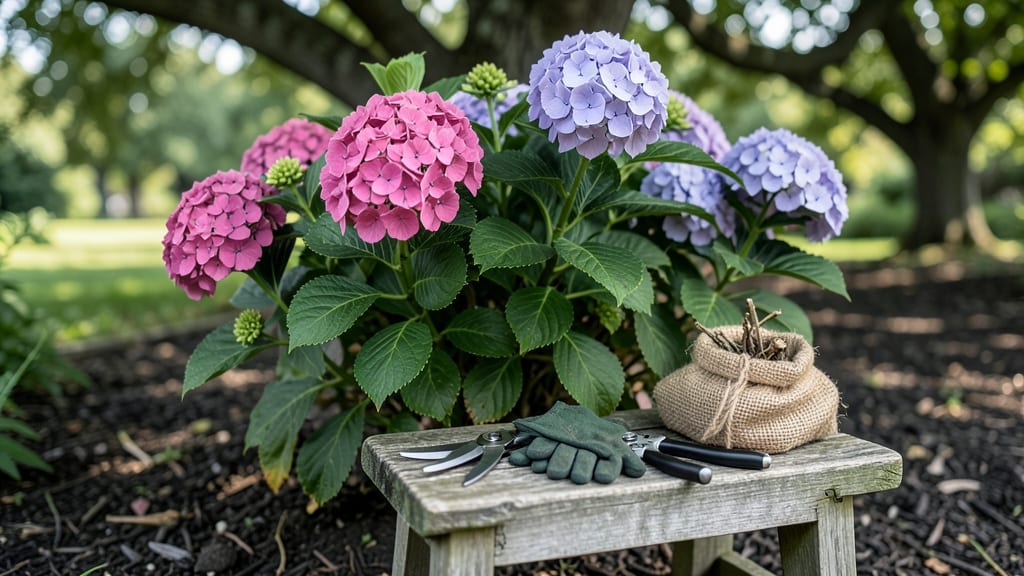
Spring hydrangea pruning care involves trimming back one-third of last year's growth, removing any dead or crossing branches, and avoiding excessive cuts to maintain healthy blooms. Always use clean, sharp shears and prune after frost danger has passed but before new shoots emerge.
Spring is the perfect time to refresh your hydrangeas, but timing and technique matter more than you might think. 🌸 The key is understanding your specific variety—mophead hydrangeas bloom on old wood, while panicle types thrive on new growth.
I always check for swollen buds (a sign of next year's flowers) before making any cuts. Using sterilized tools prevents disease spread, and a light layer of mulch afterward helps retain moisture while the plant recovers.
One common mistake is pruning too late in spring, which can stimulate new growth that might get damaged by late frosts. For oakleaf varieties, I recommend a gentler approach—just removing dead stems and thinning out crowded branches.
The goal is to encourage strong, vibrant blooms while keeping the plant's natural shape intact.
💡 In This Article
- When and Why to Prune Hydrangeas in Spring
- Step-by-Step Spring Hydrangea Pruning Guide
When and why to prune hydrangeas in spring
Spring pruning timing hinges on understanding your hydrangea's bud dormancy cycle. Most varieties (like mophead and bigleaf) bloom on old wood—meaning flowers form on stems from the previous season. These buds develop in late summer and remain dormant through winter.
Pruning too early risks cutting off next year's blooms before they've set. The ideal window is after your last frost date when daytime temperatures consistently stay above 40°F for at least 5-7 days. This timing aligns with when new growth begins but hasn't yet emerged from the buds.
Different hydrangea types have unique needs due to their growth habits. Mophead and bigleaf varieties should only be pruned to remove dead, diseased, or crossing branches—never more than 25-30% of the plant's height.
Their flower buds form on 1-year-old wood, so aggressive cuts can eliminate next season's blooms. In contrast, panicle and smooth hydrangeas bloom on new wood, allowing more aggressive pruning (up to one-third of the plant) in early spring.
Oakleaf hydrangeas fall somewhere in between, with buds forming on both old and new growth, requiring a gentler approach—focus on removing only the oldest, most woody stems.
The science behind frost sensitivity explains why timing matters so critically. When temperatures drop below 28°F, hydrangea buds enter deep dormancy, but their protective scales can crack if exposed to rapid temperature swings.
Pruning too early (before late March in most zones) risks stimulating new growth that could get damaged by late frosts. This is why I always check local frost forecasts and wait until at least 2 weeks after the last expected frost.
The plant's sap flow also plays a role—pruning when it's actively moving (spring) causes less stress than cutting in late summer when reserves are lower.
Improper pruning disrupts the plant's flowering cycle through a process called apical dominance. When you cut back too aggressively, the plant redirects energy from flower production to regrowing lost stems. For old-wood bloomers, this means fewer (or no) flowers the following season.
The worst offenders are top-heavy cuts that remove the central leader stem, which can leave the plant vulnerable to storm damage. Even with new-wood bloomers like panicle hydrangeas, over-pruning can lead to excessive leafy growth at the expense of flowers.
The goal is to maintain a balanced canopy that allows sunlight to penetrate to the center where buds form.
Visual cues help determine readiness to prune. Look for swollen buds along last year's stems—these indicate flower formation has begun. The buds should feel firm but not yet open. Another telltale sign is new growth emerging from the base of the plant (about 1-2 inches tall).
This shows the plant has survived winter and is ready to respond to pruning. If you see mushy, brown stems that crumble when touched, these are dead and should be removed immediately, regardless of timing.
The plant's overall health—vibrant green leaves in the center and no signs of pests—confirms it's ready for spring maintenance.
What most gardeners don't realize is how hydrangea root systems respond to pruning stress. When you cut back stems, the plant must allocate energy to both regrowing above-ground and maintaining root health. This is why post-pruning care is crucial.
After cutting, the roots need 2-3 weeks of undisturbed growth before you should fertilize. Too-early feeding can burn the roots while they're still recovering from winter dormancy.
The best approach is to mulch heavily (3-4 inches) with organic material like shredded bark or compost to protect roots from temperature fluctuations and retain moisture during the critical early spring period.