
Pruning
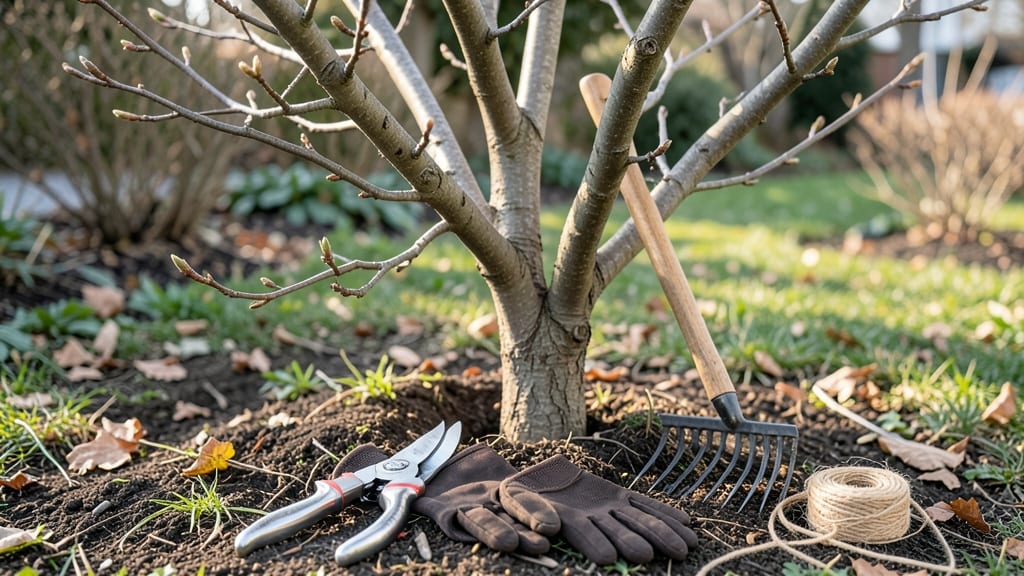
Pruning your kousa dogwood isn't just about shaping—it's about unlocking those showstopping blooms year after year. 🌸 I spent years watching mine struggle until I learned the right timing and techniques, and now it's the star of my spring garden with bold pink flowers that last for weeks.
The secret? Pruning at the right time and focusing on air flow and light penetration.
You'll need just a few tools: sharp pruning shears for clean cuts, gloves to protect your hands from thorns, and maybe a small ladder if your tree is tall.
The best time to prune is late winter or early spring, right before new growth starts—but you can also do light shaping after flowering. Avoid heavy pruning in summer or fall, as that can stress the tree.
Start by removing any dead, diseased, or crossing branches first. Then shape the tree by cutting back to just above a bud or side branch, always making cuts at a 45-degree angle.
For a fuller look, prune the outer branches slightly more than the inner ones. You'll see new growth within weeks, and those blooms will be bigger and more abundant than ever.
Common mistakes include pruning too late in the season or cutting into old wood—kousa dogwoods bloom on new growth, so you want to encourage fresh shoots. Also, avoid over-pruning; these trees are resilient but can take years to recover from heavy cuts.
With the right approach, your kousa dogwood will reward you with years of stunning spring color.
📚 In This Guide
- What you need
- Instructions
- Tips and common mistakes
- Wrapping up and next steps
What you need
- ● Pruning shears: Bypass pruners (for clean cuts on small branches, 5–7 inches long, with sharp, stainless steel blades).
- ● Loppers: Bypass loppers (for thicker branches, 8–12 inches, with a comfortable grip and ratcheting mechanism for leverage).
- ● Pruning saw: Curved-tooth pruning saw (for branches 2+ inches thick; 10–12 inches long with a fine-tooth blade).
- ● Gloves: Heavy-duty gardening gloves (cut-resistant, like those with Kevlar or nitrile coating, to protect from thorns and sharp edges).
- ● Disinfectant: 70% isopropyl alcohol or bleach solution (1 part bleach to 9 parts water) to sterilize tools between cuts and prevent disease spread.
- ● Tarp or drop cloth: (to collect debris and protect your lawn or driveway).
- ● Rake: (for clearing fallen leaves and small branches post-pruning).
- ● Extension pole: (for hard-to-reach branches, 3–6 feet long).
- ● Hand saw: (for stubborn, thick branches that loppers can’t handle).
- ● Pruning sealant: (to coat larger cuts and reduce sap oozing—only use on cuts ½ inch or wider).
- ● Safety glasses: (to shield eyes from debris).
- ● Knee pads: (if you’ll be working on the ground or in awkward positions).
- ● Notebook & pen: (to sketch a quick map of cuts or note future pruning goals).
- ● Check the weather forecast—prune on a dry, overcast day (avoid pruning when the tree is wet or in direct sun to reduce stress).
- ● Gather inspiration: Study your kousa dogwood’s natural shape and bloom patterns before making cuts.
- ● Wear comfortable clothing: Long sleeves/pants to protect from thorns and scratches.
- ● Have a clean workspace: Clear the area around the tree of rocks, tools, or obstacles.
Step-by-Step guide for pruning Kousa dogwood
Here's how I keep my Kousa dogwoods thriving with bold blooms year after year.
✂️ Step 1: Prune Immediately After Flowering
Once your Kousa dogwood has finished blooming—usually in late spring—it's time to shape it up. This is the best time because the flowers form on the previous year's growth, and you want to encourage new stems for next season's blooms. I grab my pruning shears and look for any branches that are crossing, rubbing against each other, or growing inward. These are the first to go—they'll compete for energy and weaken the plant.
Make your cuts just above a outward-facing bud or branch junction. Angle the cut slightly downward to prevent water from pooling on the wound. If you're unsure which way the bud faces, look for the tiny bump on the stem—it points toward where the new growth will emerge. I always step back after each cut to check the overall shape. The goal is to open up the center of the tree so light and air can reach all the branches.
✂️ Step 2: Thin Out Overcrowded Branches
After the initial cleanup, focus on thinning out any branches that are too dense. Kousa dogwoods naturally grow with multiple stems, but too many can lead to weak, leggy growth. I look for branches that are growing straight up or down—they rarely produce flowers and can block sunlight from reaching the inner branches. Remove about one-third of the oldest branches to encourage new growth from the base.
Don’t be afraid to cut back some of the larger branches if they’re dead, diseased, or just not contributing to the tree’s overall shape. You’ll know a branch is dead if it’s brittle, doesn’t have leaves, and the bark is dark or cracked. Make these cuts at the branch collar—the swollen area where the branch meets the trunk or another branch. This ensures the tree can heal properly and reduces the risk of disease.
✂️ Step 3: Light Pruning in Late Summer or Early Fall
About 6-8 weeks after flowering, give your Kousa dogwood a lighter touch. This isn’t about heavy pruning—it’s more about refining the shape and encouraging next year’s blooms. I focus on removing any suckers or water sprouts that have popped up. These are the fast-growing, vertical shoots that often appear at the base of the tree or along the branches. They’re a sign the tree is putting energy into growth instead of flowers.
Trim back any branches that are growing too long or leggy. You can also lightly shape the outer edges to maintain the tree’s natural form. Avoid cutting into old wood—Kousa dogwoods are more forgiving with young, flexible branches. If you’re unsure whether a branch is old or new, look for the presence of leaves or buds. New growth will have them; old wood won’t.
✂️ Step 4: Minimal Winter Pruning (If Needed)
Winter is the quietest time for pruning, but sometimes you’ll spot branches that need attention. If you notice any dead, broken, or diseased branches during the dormant season, go ahead and remove them. However, avoid heavy pruning in winter—it can stimulate too much growth when the tree should be resting. Focus only on cleaning up any obvious issues.
This is also a good time to check for any signs of pests or disease. Look for holes in the bark, unusual growths, or discolored leaves. If you find anything, address it immediately—Kousa dogwoods are generally tough, but they’re not immune to problems. A little prevention now saves a lot of trouble later. I like to give the tree a quick once-over with my pruning shears and a sharp eye, making sure everything looks healthy and ready for spring.
⏰ Step 5: Post-Pruning Care for Strong Recovery
After you’ve finished pruning, give your Kousa dogwood some extra care to help it recover. Water deeply if the weather has been dry, especially if you’ve done a lot of cutting. The tree will need energy to heal and produce new growth. I also like to add a thin layer of mulch around the base—just 2-3 inches—to retain moisture and keep the roots cool.
Keep an eye on the tree in the weeks following pruning. You’ll notice new buds forming along the branches where you made cuts. These are a sign that the tree is responding well. Avoid fertilizing right after pruning—wait until spring when the tree is actively growing. If you see any signs of stress, like yellowing leaves or wilting, give the tree a little more water and shade until it recovers. With the right care, your Kousa dogwood will bounce back stronger than ever, ready to burst into bloom next season.
Tips & tricks for pruning Kousa dogwoods
These simple tricks will help you keep your Kousa dogwood looking its best while keeping those vibrant blooms coming back year after year.
Branch Angle Matters: When making cuts in Step 1, pay close attention to the angle. A slight downward angle (about 45 degrees) prevents water from pooling on the wound, which could lead to rot or disease. This small detail makes all the difference in how quickly your tree heals. Think of it like creating a natural roof over the cut that sheds water away from the tree.
Visual Cues for Healthy Cuts: In Step 2, when removing about one-third of the oldest branches, look for the branch collar—the swollen area where the branch meets the trunk. This is your guide for where to make the cut. The collar contains protective tissues that help the tree heal faster. You'll know you're cutting in the right place when you see this natural swelling—it's like the tree's built-in healing seal.
Seasonal Timing Secret: The 6-8 week window after flowering in Step 3 is crucial for encouraging next year's blooms. During this time, focus on removing those fast-growing vertical shoots (suckers) that divert energy away from flower production. These shoots are easy to spot—they grow straight up like little flags and often appear at the base or along branches. Removing them now gives your tree more energy to produce those stunning blooms next spring.
Winter Inspection Tip: During the minimal winter pruning in Step 4, don't forget to check for any signs of pests or disease. Look closely for holes in the bark, unusual growths, or leaves that aren't the tree's normal color. Catching these issues early can save your tree from more serious problems later. I like to think of this as giving my tree a winter health check—just like you'd check for any issues before a big event.
Pro Tips for Kousa Dogwood Pruning
- These simple tricks will help you keep your Kousa dogwood looking its best while keeping those vibrant blooms coming back year after year.
- Branch Angle Matters: When making cuts in Step 1, pay close attention to the angle.
- Visual Cues for Healthy Cuts: In Step 2, when removing about one-third of the oldest branches, look for the branch collar—the swollen area where the branch meets the trunk.
Frequently asked questions
Got questions about keeping your Cornus kousa (Kousa dogwood) looking its best? Here are some of the most common concerns—and their answers—to help you prune like a pro!
When is the best time to prune Kousa dogwood?
The ideal window is late winter or early spring (just before new growth starts), but you can also prune lightly after blooming to shape the tree. Avoid heavy pruning in fall—it can stimulate tender new growth that may not survive winter. For rejuvenation pruning, spread cuts over 2–3 years to reduce stress.
How much can I trim without hurting my Kousa dogwood?
Never remove more than 25–30% of the canopy in a single year. Kousa dogwoods are resilient, but excessive pruning can weaken the tree or reduce next year’s blooms. Focus on selective cuts to open the center and remove dead/diseased branches. For older trees, gradual thinning is key!
Why did my Kousa dogwood stop blooming after pruning?
Blooms form on old wood, so pruning too late (after buds swell) can cut off next year’s flowers. If blooms are sparse, check for:
- Over-pruning (stick to light shaping)
- Poor sunlight (needs 6+ hours/day)
- Nutrient deficiencies (feed in early spring)
- Disease/pests (inspect leaves for spots or chewed edges)
Can I prune a young Kousa dogwood differently than a mature one?
Yes! Young trees (under 5 years) benefit from structural pruning—remove crossing branches, water sprouts, and encourage a strong central leader. For mature trees, focus on:
- Thinning crowded branches for airflow
- Removing deadwood or suckers at the base
- Avoiding "lion’s tailing" (cutting all small branches)
What if I prune at the wrong time and my tree looks sad?
Don’t panic! Kousa dogwoods are forgiving. If you pruned too late:
- Water deeply to reduce stress
- Avoid fertilizing (wait until spring)
- Monitor for pests (aphids love stressed trees)
Wrapping up and next steps
Pruning your Kousa dogwood is the secret to keeping its bold blooms and lush foliage thriving year-round! 🌸 By following the right timing, techniques, and tools, you’ll encourage healthier growth and stunning seasonal displays. Whether you’re shaping for aesthetics or health, a little care goes a long way.
Now that you’re armed with the know-how, grab those pruners and get to work! Start with a quick assessment of your tree—identify dead branches, overgrowth, or areas needing light—and tackle them with confidence.
Happy pruning leads to happier blooms, so roll up your sleeves and enjoy the process. Your Kousa dogwood will thank you with vibrant beauty for years to come! 🌿✨