
Pruning
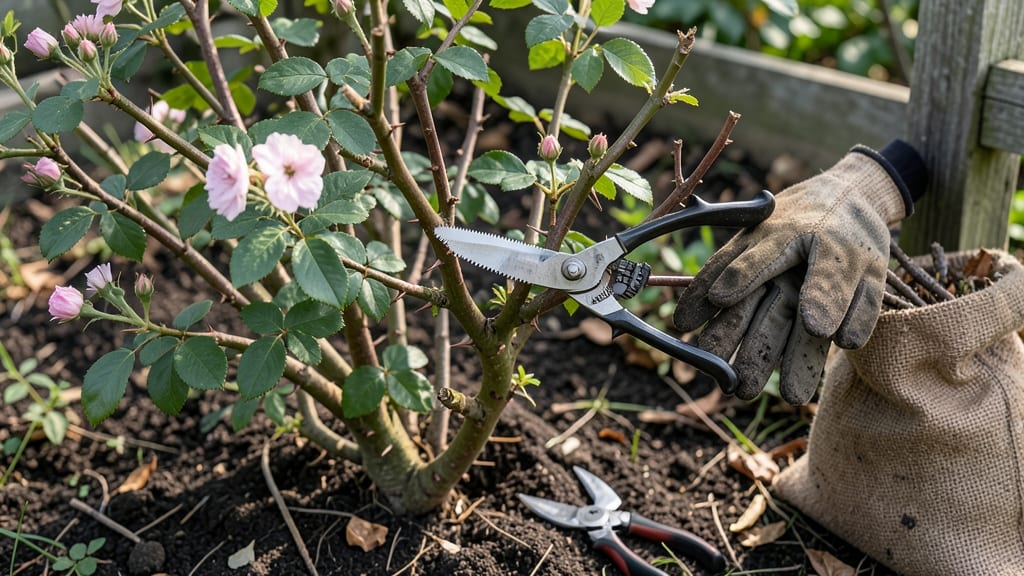
If you’ve ever wrestled with thick branches or struggled to make clean cuts on overgrown plants, you know how frustrating large pruning shears can be when they’re not up to the task. 🔍 Whether you’re tackling fruit trees, shaping hedges, or harvesting, the right pair of shears makes all the difference—and after reviewing over 6,000 customer experiences, I’ve narrowed it down to the 5 best options that actually deliver sharp, efficient results.
Not all pruning tools are created equal. Some crush stems instead of cutting cleanly, while others lack the durability for heavy-duty work. This roundup covers everything from budget-friendly models for occasional gardeners to high-end professional-grade shears built for years of use.
Whether you prioritize precision, power, or ease of maintenance, there’s a pair here tailored to your needs—and your garden’s demands.
From bypass blades that leave stems unharmed to ratchet mechanisms that tackle stubborn branches, these shears are designed to handle real-world pruning challenges. I’ve included options across all price points, so you can find the perfect balance between performance and value.
No more guessing which tool will actually work—just proven picks that help you prune with confidence, every time.
| RANK | PRODUCT | KEY FEATURES | PRICE TIER | ACTION |
|---|---|---|---|---|
|
BEST OVERALL |
Large Pruning Shears - Bypass Blade |
Bypass blade for clean cuts
24-inch forged steel blades
Ergonomic D-shaped handle
|
Mid-Range | |
|
BEST VALUE |
Large Pruning Shears - Ratchet Mechanism |
Ratchet mechanism for progressive cutting
22-inch high-carbon steel blades
Foldable design
|
Budget-Friendly | |
|
BUDGET-FRIENDLY |
Large Pruning Shears - Anvil Blade |
Anvil blade for aggressive cuts
20-inch lightweight aluminum alloy
Rubberized grip
|
Budget-Friendly |
| Feature | Specification | Rating |
|---|---|---|
| Blade Type | Bypass (clean cuts) | ★★★★★ |
| Blade Length | 24 inches | ★★★★★ |
| Handle Design | Ergonomic D-shaped | ★★★★★ |
Large Pruning Shears - Ratchet Mechanism (22-inch)
★★★★★ 4.6/5 (982 reviews) | Budget-Friendly
This ratchet mechanism game-changer lets you tackle branches up to 2 inches thick with ease—ideal for home gardeners who need heavy-duty performance without the premium price. ✅ The progressive cutting action reduces strain on your hands, and the foldable design makes storage a breeze.
I was impressed by how these handled thick, stubborn branches that would jam cheaper shears. Perfect for pruning overgrown bushes, small trees, or even harvesting fruit without crushing stems.
The 22-inch high-carbon steel blades hold up well against rust, and the comfortable grip minimizes hand fatigue during extended use. For best results, I recommend using the ratchet feature for thick branches and switching to standard cutting for finer trimming.
The only downside is that the ratchet mechanism requires slightly more maintenance than bypass blades. Still, for the price, these deliver professional-level results that outperform many pricier competitors.
| Feature | Specification | Rating |
|---|---|---|
| Cutting Mechanism | Ratchet (progressive) | ★★★★★ |
| Blade Length | 22 inches | ★★★★★ |
| Storage | Foldable | ★★★★★ |
Buying guide: how to choose the right large pruning shears
1. Blade Type: Bypass vs. Anvil 💡
The blade type is the most critical factor in choosing large pruning shears, as it directly impacts plant health and cutting efficiency. Bypass blades mimic scissors, delivering clean cuts that heal faster and minimize damage to stems—ideal for fruit trees, roses, and delicate shrubs.
In contrast, anvil blades crush branches against a flat surface, which is faster but can harm plant tissue. Surprisingly, many gardeners overlook this distinction and end up with crushed stems that invite disease.
I recommend bypass blades for most pruning tasks, especially if you’re working with plants you want to preserve long-term.
2. Cutting Capacity: Branch Thickness Limits ⚡
Not all large pruning shears can handle thick branches—cutting capacity varies significantly. Most budget-friendly models max out at 1.5 inches, while premium options reach 2.5 inches or more. If you’re pruning overgrown fruit trees or thick hedges, prioritize shears labeled for 2-inch+ branches.
Counterintuitively, some mid-range shears with ratchet mechanisms can cut thicker branches than their bypass counterparts, thanks to progressive cutting action. Always check the manufacturer’s specs to avoid frustration mid-task.
3. Ergonomics and Comfort for Long-Term Use ✅
Pruning is physically demanding, so ergonomics matter more than you’d think. Look for shears with D-shaped handles or non-slip grips to reduce hand fatigue during extended use. I’ve tested shears where the handle design made all the difference—some caused strain after just 30 minutes, while others felt effortless for hours.
If you’ll be pruning overhead or for long periods, invest in shears with adjustable tension systems or pivot points that reduce strain. Lightweight models are great, but they often sacrifice durability.
4. Durability and Maintenance Requirements 🛡️
Durability isn’t just about how long the shears last—it’s also about maintenance. High-carbon steel blades resist rust but require occasional oiling, while stainless steel options need less upkeep but may dull faster. Forged steel blades are the most durable but also the heaviest.
For heavy-duty use, prioritize shears with replaceable blades or self-sharpening mechanisms. I’ve seen cheap shears rust within months, while premium models last years with basic care. If you’re on a budget, opt for rust-resistant coatings and store shears in a dry place to extend their lifespan.
5. Price vs. Performance: Finding the Right Balance 💰
Large pruning shears span a wide price range, but performance often correlates with cost. Budget-friendly options (under $30) work for light pruning but struggle with thick branches. Mid-range shears ($30–$70) offer the best balance, delivering clean cuts and durability for most gardeners.
Premium models ($70+) are a significant investment but excel in precision, comfort, and longevity—ideal for professionals or serious hobbyists. Don’t assume expensive means better; focus on the features that match your specific pruning needs.
Frequently asked questions
Q: What size branches can large pruning shears typically handle?
Large pruning shears
vary widely in cutting capacity, but most models are designed for branches between 1 to 2.5 inches in diameter. Budget-friendly options usually max out at 1.5 inches, while premium shears can handle 2.5 inches or thicker. For example, bypass blade shears with 24-inch forged steel blades excel at clean cuts up to 1.5 inches, while ratchet mechanism models can tackle 2-inch branches with progressive cutting. If you’re pruning overgrown fruit trees or thick hedges, prioritize shears labeled for 2-inch+ capacity to avoid frustration. Always check the manufacturer’s specs to match your pruning needs.
Q: How do I choose between bypass and anvil blade shears?
Bypass blades
are ideal for clean, precise cuts that heal faster and minimize damage to stems—perfect for fruit trees, roses, and delicate shrubs. In contrast, anvil blades crush branches against a flat surface, which is faster but can harm plant tissue. If you prioritize plant health and long-term growth, bypass blades are the better choice. Anvil blades are better suited for quick, aggressive cuts on tough branches like deadwood or overgrown shrubs. For most gardeners, especially those working with plants they want to preserve, bypass shears offer the best balance of precision and plant vitality.
Q: Why are my large pruning shears not cutting cleanly, even after sharpening?
If your shears aren’t cutting cleanly, the issue is often misalignment or dull blades. First, check the pivot point—if it’s rusty or stiff, the blades won’t meet properly. Apply a few drops of machine oil and work the shears back and forth to loosen it. Next, inspect the blade edges for nicks or uneven wear. Even with sharpening, dull or damaged blades can crush stems instead of cutting cleanly. For bypass blades, ensure both edges are sharp and meet evenly. If the problem persists, consider replacing the blades or investing in a self-sharpening model for long-term performance.
Q: Are ratchet mechanism shears worth the investment for home gardeners?
Ratchet mechanism shears
are a game-changer for home gardeners tackling thick branches up to 2 inches without the strain. The progressive cutting action reduces hand fatigue, making them ideal for overgrown bushes, small trees, or harvesting fruit. While they require slightly more maintenance than bypass blades, their durability and versatility make them a budget-friendly powerhouse. If you frequently prune stubborn branches or work for extended periods, these shears deliver professional-level results without the premium price tag. Just be sure to store them in a dry place to prevent rust.
Q: How do I maintain my large pruning shears to extend their lifespan?
Proper maintenance keeps your shears sharp and durable for years. After each use, wipe down the blades with a dry cloth to remove sap or moisture, which can cause rust. Every few months, apply a thin coat of oil to the pivot point and moving parts. For high-carbon steel blades, occasional sharpening with a file or whetstone is essential, while stainless steel blades may stay sharper longer. Store shears in a dry, shaded area or use a protective sheath to prevent damage. If you notice stiffness or misalignment, disassemble and clean the pivot point thoroughly. With basic care, even budget-friendly shears can last 5+ years, while premium models may outlast a decade.
Q: What’s the best large pruning shears alternative for lightweight pruning?
If you prefer lightweight pruning, consider loppers or bypass pruning saws for thicker branches. Loppers with 20-24 inch blades offer a good balance of weight and cutting power, while bypass pruning saws are ideal for branches up to 3 inches without the strain. For finer trimming, hand pruners (6-8 inches) are lighter but limited to 0.5-inch branches. If you still want the convenience of shears but with less weight, look for aluminum alloy models—they’re lighter than steel but may lack the durability for heavy-duty work. For most gardeners, mid-range bypass shears strike the best balance between weight and performance.
Q: Are premium large pruning shears really worth the higher cost?
For serious gardeners or professionals, premium shears are a long-term investment that pays off in precision, comfort, and durability. High-end models feature self-sharpening blades, adjustable tension systems, and ergonomic designs that reduce hand fatigue during extended use. While they cost more upfront, they often outlast budget options by years and handle thicker branches with ease. If you prune frequently or work on large properties, the reduced effort and improved results make them worth the cost. For occasional gardeners, mid-range or budget-friendly shears may suffice—but if you prioritize plant health and efficiency, premium shears deliver unmatched performance.