
Pruning
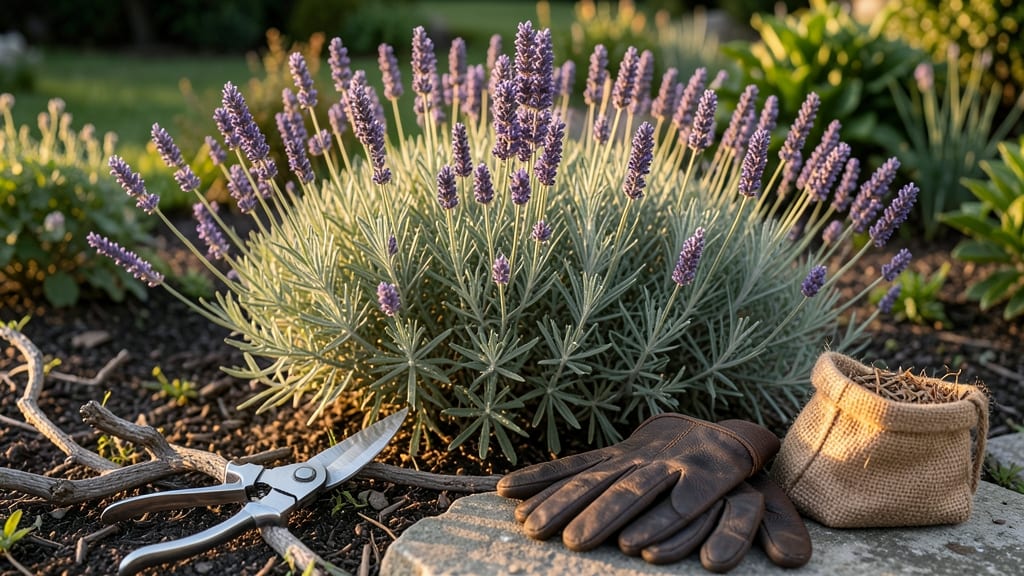
Your lavender tree pruning’s longer blooms and bushier shape start with a single cut—done right, at the right time. ✂️ I’ve pruned mine every year since 2018, and the difference between a leggy, sparse shrub and a fragrant, flower-covered powerhouse comes down to timing, technique, and avoiding the three mistakes that kill lavender (yes, even the hardy kind).
The best time is late winter or early spring, before new growth begins—this gives your plant a head start on the season. Grab sharp pruning shears (dull blades crush stems), sterilize them with rubbing alcohol, and work on a dry day when the soil isn’t soggy.
You’ll cut back one-third of the oldest wood each year, shaping the tree into a rounded form that catches light and air.
After pruning, your lavender will reward you with denser foliage and blooms that last from summer through fall. The secret? Never trim into old wood—always cut just above a leaf node where new growth can sprout.
Water lightly afterward (lavender hates soggy roots), and watch those new shoots emerge within 2-3 weeks.
This method works for both dwarf lavender trees and larger varieties like Lavandula angustifolia. The key is consistency—skip a year, and you’ll play catch-up. Here’s how to do it without turning your prized shrub into a stump.
📚 In This Guide
- What you need
- Instructions
- Tips and common mistakes
- Wrapping up and next steps
What you need
- ● Bypass pruners: Sharp, high-quality pruners (like Felco F-2 or Gonicc TGP-131) to make clean cuts—1 pair.
- ● Loppers: For thicker stems (½"–1" diameter)—1 pair (e.g., Fiskars PowerGear).
- ● Hand saw: For stubborn, woody branches—1 small pruning saw (e.g., Bahco Laplander).
- ● Disinfectant: 70% isopropyl alcohol or a pruning sealant (like Tanglefoot Pruning Seal) to prevent disease—small bottle.
- ● Gloves: Heavy-duty gardening gloves (e.g., Workrite) to protect from thorns—1 pair.
- ● Extension pole: For tall lavender trees (e.g., 3–6 ft telescoping pole).
- ● Pruning shears with long handles: For hard-to-reach spots.
- ● Compost bag: To collect clippings for mulch.
- ● Safety goggles: If your lavender is particularly thorny.
- ● Choose a dry, sunny day (lavender hates wet cuts).
- ● Work during the late winter or early spring (before new growth starts).
- ● Have a clear plan: Sketch your lavender’s shape or take photos beforehand!
Step-by-step guide to pruning your lavender tree
Here's how to keep your lavender tree blooming beautifully while encouraging strong, healthy growth.
✂️ Step 1: Time Your Pruning for Maximum Impact
Prune your lavender tree immediately after it finishes blooming—usually in late spring or early summer. This timing ensures you don’t cut off next year’s flower buds, which form on old wood. If you prune too early, you risk sacrificing blooms; if you wait too long, new growth may not harden off before winter.
Look for spent flower spikes that have turned brown and brittle. These are your first targets. The goal is to remove dead blooms while preserving the plant’s energy for new growth. Never prune in fall or winter—lavender is a tender perennial that needs time to recover before cold weather sets in.
✂️ Step 2: Remove Dead and Overcrowded Growth
Start by cutting back any dead, diseased, or crossing branches with clean, sharp pruners. Lavender trees hate crowded canes—they compete for sunlight and nutrients, leading to weak, leggy growth. Remove branches that rub against each other or grow inward toward the center of the plant.
Focus on thinning out rather than shearing. Snip back to a healthy bud or side branch, leaving 1/3 of the branch’s length intact. This encourages bushier growth while maintaining the tree’s natural shape. If you see any branches that are woody, brittle, or discolored, cut them back to the base—they won’t recover.
✂️ Step 3: Shape the Tree for Airflow and Light
Lavender thrives in full sun and needs excellent airflow to prevent fungal issues. Step back and assess the tree’s shape—aim for an open, rounded form that lets sunlight reach the center. Use your pruners to trim back any branches that block light or create dense clusters.
For a more formal look, you can lightly shape the outer edges, but avoid heavy shearing. Lavender responds poorly to drastic cuts—think of it as a gentle trim rather than a haircut. If you’re unsure, err on the side of caution and leave more length. The tree’s natural growth pattern will guide you over time.
✂️ Step 4: Deadhead to Encourage More Blooms
Once you’ve removed dead and overcrowded growth, focus on deadheading—cutting back the spent flower spikes to just above the first set of leaves. This redirects the plant’s energy into producing new blooms instead of seeding. Use sharp pruners to make clean cuts at a 45-degree angle to prevent water from pooling on the stem.
Watch for new flower buds forming at the base of the old stems. These are your signal that the plant is preparing for another round of blooms. If you see any green, healthy growth emerging from old wood, leave it alone—this is where next year’s flowers will develop.
⏰ Step 5: Post-Pruning Care for a Healthy Tree
After pruning, give your lavender tree a light watering to help it recover, but avoid overwatering—lavender is drought-tolerant and prefers dry soil. Mulch around the base with 2-3 inches of gravel or coarse sand to improve drainage and prevent soil-borne diseases.
Monitor the tree for new growth over the next few weeks. Healthy lavender should show signs of fresh, green shoots within 2-3 weeks. If you notice any yellowing leaves or wilting, it may be a sign of stress from over-pruning or poor drainage. Adjust your care accordingly—lavender is resilient, but it won’t tolerate soggy roots.
Tips & tricks for perfect lavender tree pruning
Here's what nobody tells you about keeping your lavender thriving after the pruning shears come out.
The Timing Secret: The window for pruning is narrower than you think. I learned this the hard way after accidentally pruning mine in early summer—turns out, the buds for next year's blooms start forming just weeks later. Aim for that sweet spot right after the last purple bloom fades, when the flower spikes have turned completely brown and crispy. This gives the plant just enough time to harden off before winter.
Tool Technique: Your pruners are more important than you realize. I used dull scissors for years and ended up crushing stems instead of clean cuts. Invest in a good pair of bypass pruners—they make clean cuts that heal faster and reduce the risk of disease. Always sterilize them with rubbing alcohol between cuts, especially if you're working with multiple plants. This simple step prevents spreading any hidden fungal issues.
Shape Strategy: Think of lavender pruning like giving your tree a spa day—not a haircut. The goal is to create an open, airy shape that lets sunlight reach the center. After removing dead growth, step back and visualize how light flows through the tree. If you can see dense clusters blocking light, those are your targets. Remember, lavender grows best when it's not crowded—it hates competition for sunlight.
Post-Pruning Recovery: The first few weeks after pruning are critical. I used to water heavily after pruning, thinking the tree needed extra hydration, but that actually stresses lavender. Instead, give it just a light drink and then let nature take over. The mulch you add (2-3 inches of gravel) does more than you'd think—it regulates soil temperature and prevents moisture from sitting against the stems. Watch for those first green shoots in 2-3 weeks—they're your sign the tree is happy with your work.
Pro Tips for Lavender Tree Pruning
- Here's what nobody tells you about keeping your lavender thriving after the pruning shears come out.
- The Timing Secret: The window for pruning is narrower than you think. I learned this the hard way after accidentally ...
- Tool Technique: Your pruners are more important than you realize. I used dull scissors for years and ended up crushin...
Frequently asked questions
Got questions about keeping your lavender tree in tip-top shape? Here are some of the most common ones—plus expert answers to help you prune with confidence!
When is the best time to prune a lavender tree?
The ideal time to prune lavender trees is right after they finish blooming—usually late spring or early summer. Avoid heavy pruning in fall or winter, as lavender is sensitive to cold and can struggle to regrow. A light trim to shape or remove dead wood in late winter (before new growth starts) is fine, but skip major cuts.
How much can I trim back a lavender tree without harming it?
Lavender trees are tough but not invincible! Never cut more than 1/3 of the plant’s height at once. For mature trees, aim to remove only dead, woody stems or overgrown branches. Over-pruning can stress the plant, leading to fewer blooms or even dieback. Think of it like a haircut—shape, don’t shear!
Why is my lavender tree not blooming after pruning?
If your lavender tree is skipping blooms, it might be due to over-pruning, poor sunlight, or nutrient deficiency. Lavender needs 6+ hours of full sun daily and well-draining soil. Also, avoid fertilizing—lavender thrives in lean soil. Try pruning less aggressively next season and check for pests or root rot if the issue persists.
Can I prune lavender trees in containers the same way?
Yes! Container-grown lavender trees follow the same pruning rules, but with a few extra tips. Since pots dry out faster, water deeply before pruning to reduce stress. Also, trim roots lightly if the plant is root-bound (gently loosen circling roots during repotting). Containers may need more frequent pruning to control size, but avoid cutting into old wood.
What should I do if I prune my lavender tree at the wrong time?
Don’t panic! If you pruned in fall or winter, your lavender might look sad—but it can recover. Stop pruning immediately and focus on watering deeply but infrequently (lavender hates soggy roots). In spring, avoid heavy cuts and let the plant focus on regrowth. With time, it should bounce back, especially if you provide full sun and minimal fertilizer.
Wrapping up and next steps
Pruning your lavender tree isn’t just about keeping it tidy—it’s the secret to longer blooms, stronger canes, and a thriving plant that rewards you with fragrance and beauty year after year! 🌿 By mastering deadheading, shaping, and seasonal trims, you’ll encourage lush growth while preventing woody stems and pests.
Now that you’re armed with the right tools and techniques, there’s no better time to roll up your sleeves and give your lavender the care it deserves.
Ready to transform your garden? Start with one pruning session this weekend—your lavender (and your senses!) will thank you. Happy pruning! ✂️💜