
Pruning
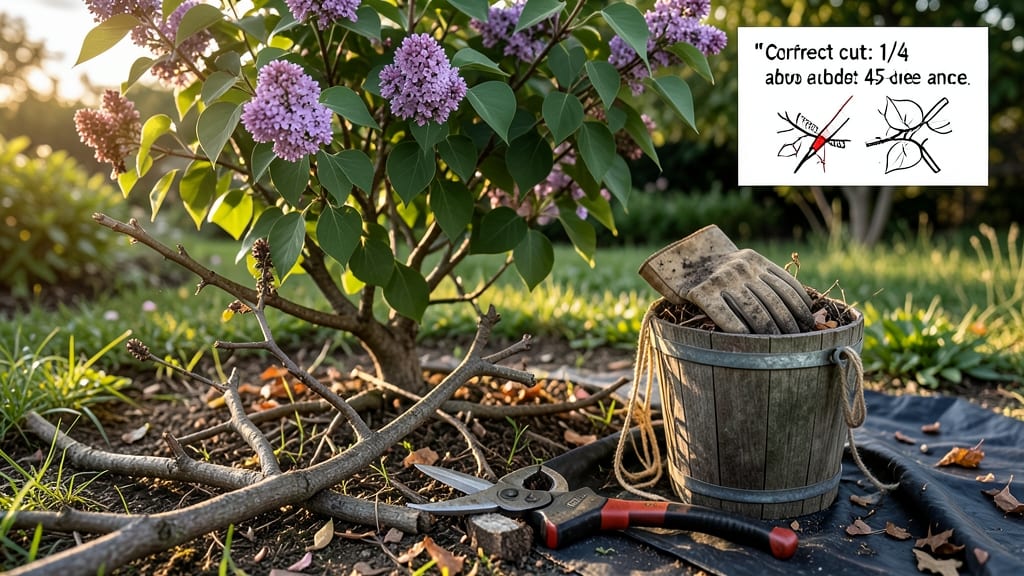
Pruning lilacs the wrong way can turn your fragrant 🌸 spring blooms into a sad, leggy shadow of their former selves—but the five most common lilac pruning mistakes might be the real culprit.
Your lilacs might be struggling not because of poor soil or pests—but because of well-intentioned pruning mistakes that silently sabotage their blooms every year.
Timing is everything: cutting too late removes next year’s flower buds, while aggressive trimming stresses the shrub and leaves it weak. Even a simple angle mistake can invite disease, turning your shrub into a magnet for problems.
Here’s how to spot the five most common lilac pruning mistakes—and how to fix them before your next blooming season fades into disappointment.
5 Deadly lilac pruning mistakes that stop blooms in their tracks
Your lilacs might be struggling not because of poor soil or pests—but because of well-intentioned pruning mistakes that silently sabotage their blooms every year.
These shrubs thrive on routine, and when you disrupt their natural growth cycle with the wrong cuts, you’re essentially telling them to skip next year’s spring perfume show. The key to keeping your lilacs lush and flowering lies in understanding what not to do with those pruners.
Even experienced gardeners accidentally turn their pruning into a blooming disaster. The wrong cuts at the wrong time can leave you with sparse flowers, leggy branches, or—worst of all—no blooms at all.
Lilacs form their flower buds on old wood during late summer, meaning any aggressive pruning after that window directly impacts next year’s blooms. Let’s uncover the five critical mistakes that are silently killing your lilac blooms—and how to fix them before it’s too late.
⚠️ Warning: These Pruning Mistakes Will Ruin Your Lilacs
Lilacs are forgiving, but not when it comes to these five deadly pruning errors. Each mistake disrupts their natural growth cycle, leading to fewer blooms, weak branches, or even plant stress. The good news? These problems are 100% preventable with the right knowledge.
- Pruning too late removes next year’s flower buds
- Over-pruning stresses the shrub beyond recovery
- Wrong cuts invite disease and stunted growth
- Ignoring dead wood spreads rot and weakens structure
- Early pruning of young lilacs delays blooming for years
Fix these mistakes now, and your lilacs will reward you with years of fragrant, abundant blooms.
First on our list: pruning too late in the season. Many gardeners wait until fall to tidy up their lilacs, but this is a major blooming killer. Lilacs form their flower buds on old wood between late summer and early fall.
If you prune after early July, you’re cutting off next year’s blooms before they’ve even formed. This explains why your once-vibrant lilacs now produce sparse, weak flowers—or none at all.
The ideal pruning window is immediately after your lilacs finish blooming, typically in late May or early June. This timing allows the shrub to recover, grow new wood, and set buds for next spring without interference.
If you missed this window, don’t panic—just avoid pruning until next year’s blooms have fully faded. Waiting until late summer (after buds form) is your safest bet for recovery.
Next up: over-pruning—cutting back more than 1/3 of the shrub. Lilacs are resilient, but they’re not built for drastic haircuts. When you remove more than one-third of the plant’s foliage in a single session, you shock the shrub’s system.
This leads to weak, leggy growth and significantly fewer blooms. Think of it like giving your lilac a stressful diet change—it survives, but at what cost?
Instead, follow the one-third rule: Never remove more than 33% of the plant’s branches in a single pruning. Focus on removing old, non-flowering wood first, then thin out crowded branches to improve airflow.
This approach keeps your lilac healthy, encourages strong blooms, and maintains its natural shape. For mature lilacs, a light pruning every 2-3 years is often sufficient to keep them thriving.
Here’s a mistake that’s easy to overlook: cutting at the wrong angle or spot. Where you make your cuts matters just as much as when you make them. Improper cuts can lead to disease entry points, stunted growth, or even branch dieback.
Always cut just above a bud or branch collar, at a 45-degree angle. This encourages faster healing and prevents water from pooling on the wound.
To visualize this, imagine making a cut that leaves a stub—this is a recipe for rot. Instead, aim for clean cuts that are 1/4 inch above a bud and angled away from the bud.
This small detail makes all the difference in keeping your lilac healthy and blooming. If you’re unsure where the bud is, look for the swollen bump on the branch—this is your target.
Another silent blooming killer: ignoring dead or diseased wood. Many gardeners skip this step, thinking their lilac can handle a few dead branches. But leaving dead wood in place creates a perfect breeding ground for disease and pests.
It also weakens the shrub’s structure, making it more susceptible to wind damage. Always remove dead, diseased, or crossing branches before you start your regular pruning.
To identify dead wood, scratch the bark with your fingernail. If it’s brown or black underneath, it’s dead and should be removed. Healthy wood will reveal green underneath. Once you’ve removed all the dead wood, you can focus on shaping the shrub and thinning out crowded branches.
This two-step process ensures your lilac stays healthy and blooms abundantly.
Finally, pruning young lilacs too early is a common mistake that delays blooming for years. Young lilacs (under 3 years old) are still establishing their root systems and structural framework.
Pruning them too aggressively or too early removes the energy they need to grow strong. Instead, focus on removing only dead or diseased branches during the first few years.
Let these young shrubs grow naturally, and they’ll reward you with vibrant blooms in just a few seasons. Patience is key—avoid the temptation to shape them early. Once your lilac reaches maturity (around year 3), you can begin light pruning to encourage a fuller, more abundant bloom display.
This long-term approach ensures your lilacs thrive for decades.
How to prune lilacs correctly: a step-by-step guide to revive your shrubs
Pruning lilacs correctly transforms them from leggy, sparse shrubs into fragrant, bushy bloomers. The secret lies in timing, technique, and restraint—not aggressive cutting. Many gardeners accidentally kill next year’s blooms by pruning at the wrong time or using the wrong method.
Let’s fix that with a foolproof, season-tested approach that guarantees healthier growth and abundant spring flowers.
First, understand that lilacs flower on old wood, meaning their buds form in late summer on branches from the previous year. Cutting too late removes these buds, leaving you with no blooms next spring.
The solution? Prune immediately after flowering, when the buds for next year are already safely formed. This timing ensures you’re only removing spent wood while preserving future blooms.
✂️ Lilac Pruning Mistakes to Avoid
- Pruning after early summer: Removes next year’s flower buds formed on old wood. Fix: Prune only in late spring/early summer.
- Cutting more than 1/3 of the shrub: Stresses the plant, reducing blooms and growth. Fix: Remove only dead or crowded branches, never more than 1/3.
- Making cuts at wrong angles: Invites disease and stunts growth. Fix: Cut at a 45-degree angle, just above a bud.
- Ignoring dead/diseased wood: Spreads rot and weakens the shrub. Fix: Remove all dead branches before pruning season.
- Pruning young lilacs too early: Delays root establishment and blooming. Fix: Wait until 3+ years old for major pruning.
Now that you know what not to do, let’s focus on the correct pruning steps. Start by gathering your tools: bypass pruners for small branches, lopping shears for thicker stems, and a sterilizing solution (1 part bleach to 9 parts water) to clean tools between cuts.
This prevents bacterial spread that can infect open wounds on your lilac.
Step 1: Remove dead or diseased wood first. Look for branches with no green under the bark or signs of rot. These should be cut back to the main stem or removed entirely.
This step improves airflow and prevents fungal infections from spreading. Next, thin out crowded branches to open the center of the shrub—this reduces humidity and prevents mildew.
Step 2: Shape the shrub for airflow and blooms. Aim for a vase-like shape by cutting back the longest branches to encourage new growth at the base.
Never cut into old wood unless it’s dead—this removes next year’s flower buds. Instead, focus on new wood that emerges after pruning to promote future blooms.
Finally, water deeply after pruning and apply a light layer of mulch to retain moisture. Lilacs are drought-tolerant once established, but fresh cuts need hydration to heal properly. With these steps, your lilacs will thrive for decades, gracing your garden with fragrant, abundant blooms every spring. 🌸