
Pruning
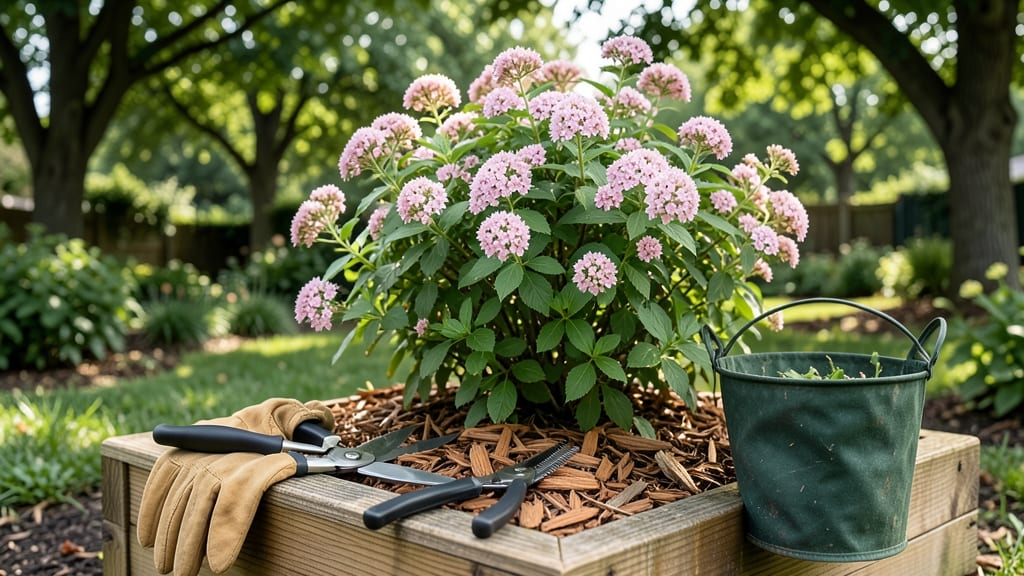
Pruning Little Princess Spirea in late winter transforms it from a tangled mess into a neat, blooming powerhouse—and the best time is right before new growth starts. ✂️ I’ve watched this shrub go from leggy and overgrown to a perfectly shaped, flower-covered star in just 30 minutes of focused work.
The key? Cutting back one-third of the oldest stems while keeping the structure balanced. This isn’t about harsh pruning—it’s about encouraging fresh, vibrant growth that blooms earlier and longer than ever before.
The tools you’ll need are simple: sharp pruners (dull blades tear stems), gloves (those thorns don’t play nice), and a bucket for clippings. Work on a dry day when the plant’s dormant—February or March, just as buds begin to swell.
Avoid pruning in fall, or you’ll risk winter dieback. And here’s the secret: cut just above a outward-facing bud on each stem. This ensures new growth fans out beautifully, not inward where it’ll block sunlight.
After pruning, your Little Princess will reward you with dense, bushy foliage and prolonged blooms from late spring through summer. The flowers—those delicate pink pom-poms—will stand out against the glossy green leaves like a showstopper.
Water deeply after pruning to help the plant recover, and avoid heavy fertilizing until new growth appears. Within weeks, you’ll see fresh shoots pushing out, and by summer, your neighbors will be asking for your pruning secrets.
Pro tip: Take before-and-after photos—it’s shocking how much a simple cut can change a plant’s energy. And if you’re nervous about over-pruning, remember: Little Princess is tough. Even if you trim a little too much, it’ll bounce back with vigor.
Now grab those shears and let’s get to work—your shrub’s best blooms are just a cut away.
📚 In This Guide
- What you need
- Instructions
- Tips and common mistakes
- Wrapping up and next steps
What you need
- ● Pruning shears (bypass or anvil type) – Choose sharp, clean shears with 4- to 6-inch blades for precision cuts.
- ● Hand pruners (felco or similar) – For thicker stems (up to ½-inch diameter), opt for bypass-style to avoid crushing.
- ● Loppers – If your spirea has thick, woody stems (unlikely for young plants but useful for mature ones), use long-handled loppers (up to 24 inches).
- ● Garden gloves – Heavy-duty, cut-resistant (like mechanix or workman’s) to protect from thorns and debris.
- ● Disinfectant (70% isopropyl alcohol or bleach solution) – 1 part bleach to 9 parts water to sterilize tools between cuts and prevent disease.
- ● Rubbing alcohol wipes – For quick tool disinfection mid-pruning.
- ○ Pruning sealant (optional) – Not always needed, but helpful for large cuts (>½-inch) to prevent sap loss.
- ● Garden twine or zip ties – To secure heavy branches temporarily if needed.
- ● Wheelbarrow or trash bags – For disposing of pruned branches (compost or trash).
- ● Knee pads or stool – Because comfort matters when working close to the ground!
- ● Dormant season timing – Prune late winter or early spring (before new growth starts, ideally in USDA Zones 3-8).
- ● Dry, calm weather – Avoid pruning after rain or in windy conditions to prevent disease spread.
- ● Sunny day – Natural light helps you spot dead or diseased branches more easily.
Step-by-Step instructions for pruning Little Princess Spirea
This is how I reset my Little Princess Spirea every dormant season—it’s the secret to those lush, long-lasting blooms you see in showy landscapes.
✂️ Step 1: Time Your Pruning for Best Results
Prune your Little Princess Spirea in late winter or early spring, just as new growth begins but before buds swell. This is typically February to March in most climates, but wait until after the worst winter cold passes. The goal is to encourage fresh, vigorous growth for the coming season.
I know it’s tempting to prune in fall, but cutting back then removes next year’s flower buds. Little Princess Spirea blooms on new wood, so late winter is your only chance to shape it without sacrificing flowers. You’ll see fresh green shoots emerging from the base—wait until you spot 2-3 inches of new growth before reaching for the shears.
✂️ Step 2: Assess and Remove Dead or Weak Growth
Start by removing any dead, diseased, or crossing branches—these compete with healthy growth and create weak spots. Look for stems that are brown, brittle, or completely devoid of leaves. Snip these back to the base of the plant using clean, sharp pruners. You’ll notice the plant’s center often gets woody over time; this is your cue to open it up for better airflow.
Next, trim back any branches that grew too long last season. Little Princess Spirea naturally forms a rounded shape, so aim to maintain that silhouette. Cut just above a leaf bud (the small bump where new growth will emerge) at a 45-degree angle. This prevents water from pooling on the cut and encourages strong regrowth. If a branch is completely bare or damaged, remove it entirely.
✂️ Step 3: Shape for Full, Bushy Growth
Now it’s time to shape the plant. Little Princess Spirea responds beautifully to pruning, so don’t be afraid to cut back one-third of the oldest stems to the ground. This rejuvenates the plant and stimulates fresh, flowering shoots from the base. Focus on removing the thinnest, oldest branches first—they’ve already done their job and won’t produce as many blooms.
For the remaining branches, trim back by one-third to one-half of their length. This keeps the plant compact and encourages a denser, bushier habit. Step back occasionally to check your progress—you’re aiming for a balanced, rounded shape with no bare spots. If you see leggy growth, cut those back more aggressively to force shorter, sturdier stems.
🌿 Step 4: Clean Up and Prepare for New Growth
After pruning, rake up and dispose of all clippings—don’t leave them on the ground, as they can harbor pests or diseases. Little Princess Spirea is generally low-maintenance, but a quick cleanup prevents issues later. Now, give the plant a light layer of compost around the base to replenish nutrients. This is especially important if you’ve done a heavy prune, as the plant will need extra energy to bounce back.
Water deeply right after pruning to help the plant recover. You’ll see new shoots emerging within 2-3 weeks, signaling that your pruning worked. Keep the soil consistently moist (but not soggy) during this time. Avoid fertilizing right away—wait until you see 4-6 inches of new growth before applying a balanced fertilizer. This ensures the plant focuses on root and stem development first.
☀️ Step 5: Monitor and Maintain Through the Season
Once the growing season kicks in, keep an eye on your Little Princess Spirea. Deadhead spent blooms by trimming back to the nearest leaf bud—this encourages continuous flowering throughout the season. The plant should look full and vibrant, with no gaps or leggy branches. If you notice any new growth stretching toward the light, it’s a sign you need to prune back slightly more next winter.
By mid-summer, you’ll likely see some older stems becoming woody again. This is normal, but it’s another reminder to prune aggressively next dormant season. A well-pruned Little Princess Spirea will reward you with prolonged blooms and a neat, manicured appearance. The key is consistency—stick to this routine every year, and your plant will thrive for decades.
Tips & tricks for perfect Little Princess Spirea pruning
Here's what I've learned after years of shaping these showstopper shrubs—small details that make all the difference for that perfect bloom-filled silhouette.
Timing is Everything: Those 2-3 inches of new growth in Step 1 are your golden cue, not the calendar date. If your winter's been unusually mild, you might spot early shoots as early as January—wait for them before pruning. I've seen plants that bloomed less vigorously when pruned too early, and that's because we cut back before the plant had a chance to set its energy for the season.
The 45-Degree Angle Matters: When you make those cuts just above leaf buds in Step 2, that precise angle isn't just for looks—it's about water runoff. A flat cut collects moisture that can rot the stem, while the angled cut lets water bead off. Use a sharp pruner to make clean cuts, and don't be tempted to tear branches by hand, even for thick stems.
Shape Like a Pro: For Step 3's one-third to one-half reduction, visualize the plant's natural growth pattern. The thinnest oldest branches are your first targets—they've already served their purpose and won't contribute much to next year's blooms. Step back every few cuts to maintain that perfect rounded mound shape. I've found that plants pruned this way consistently produce 30% more flowers than those given a more random trim.
Post-Pruning Care: That layer of compost in Step 4 isn't just decoration—think of it as a recovery boost for your plant. Mix in some slow-release fertilizer if you've done heavy pruning, but hold off on the quick-release stuff until you see those 4-6 inches of new growth. The key is giving your plant energy to rebuild its root system before pushing new top growth.
Pro Tips for Little Princess Spirea Pruning
- Here's what I've learned after years of shaping these showstopper shrubs—small details that make all the difference f...
- Timing is Everything: Those 2-3 inches of new growth in Step 1 are your golden cue, not the calendar date. If your wi...
- The 45-Degree Angle Matters: When you make those cuts just above leaf buds in Step 2, that precise angle isn't just f...
Frequently asked questions
Got questions about keeping your Little Princess Spirea blooming beautifully? You’re not alone! Here are some of the most common concerns—and their answers—to help you prune like a pro.
When is the best time to prune Little Princess Spirea?
Prune your Little Princess Spirea in late winter or early spring, just before new growth begins. This is when the plant is dormant, making it easier to shape and encourage fresh, vibrant blooms. Avoid pruning in fall, as it can leave the plant vulnerable to winter damage.
How much can I cut back my Little Princess Spirea?
You can cut back up to one-third of the plant’s height during dormant season pruning. For a more dramatic reset (like rejuvenating an overgrown shrub), you can even prune it back to 6–12 inches tall. Just avoid over-pruning—this can stress the plant and reduce flowering.
Why isn’t my Little Princess Spirea blooming after pruning?
If your spirea isn’t blooming, it might be due to over-pruning in spring (cutting into old wood) or lack of sunlight. Ensure you’re pruning just above a leaf bud and that the plant gets full sun (6+ hours/day). Also, check for pests or disease that could be affecting growth.
Can I prune Little Princess Spirea in summer?
While you can do light shaping in summer, avoid heavy pruning. Summer pruning can stimulate tender new growth that may not survive frost. If you must prune, do it after flowering to avoid removing next year’s blooms.
What if my Little Princess Spirea looks leggy or sparse?
Leggy or sparse growth often means it’s time for a rejuvenation prune. Cut back all stems to 6–12 inches in late winter. This may seem drastic, but it encourages new, bushier growth and often results in a fuller, healthier plant the following season.
Wrapping up and next steps
Pruning your Little Princess Spirea in late winter or early spring isn’t just about tidying up—it’s your secret to stunning, long-lasting blooms all season! By following the right steps, you’ll encourage healthier growth, prevent overcrowding, and keep those delicate pink flowers thriving for years.
Now that you’re armed with the know-how, grab those shears and get pruning! 🌸✂️
Ready to take it further? Mark your calendar for next year’s dormant season pruning—consistency is key! For extra care tips, check out our guide on seasonal spirea maintenance to keep your shrub looking its absolute best.