
Pruning
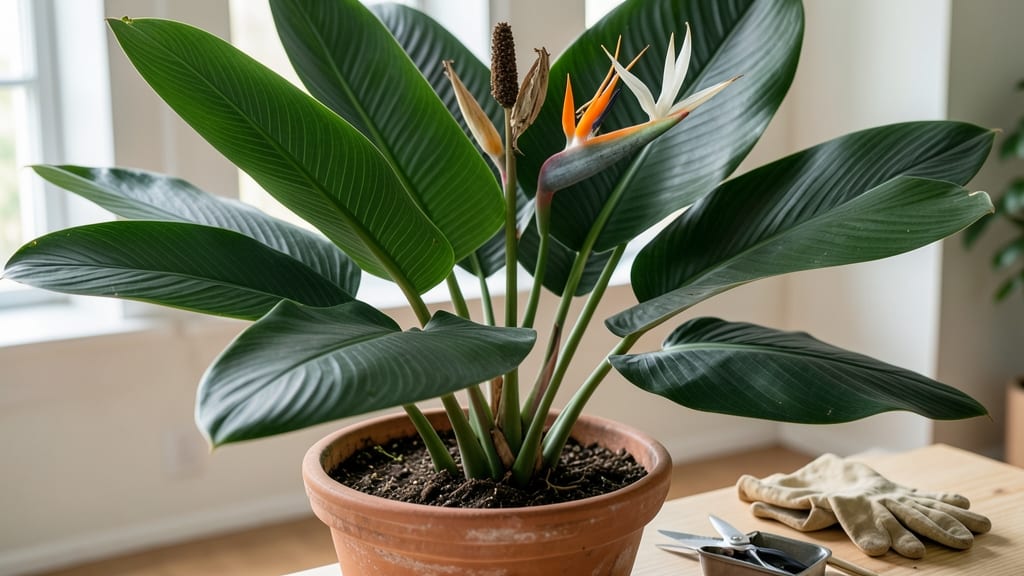
Pruning your Mexican Bird of Paradise 🌺 at the right time and with the right technique can double your blooms and keep it looking vibrant for years.
Struggling to keep your Mexican Bird of Paradise blooming? Proper pruning is the secret weapon—yet many gardeners trim at the wrong time or miss key techniques, stunting growth and reducing flowers.
In this guide, I’ll walk you through the exact when and how to prune for a lush, vibrant plant, including the tools you’ll need and common mistakes to avoid.
By the end, you’ll know how to shape your plant for healthier growth, encourage more blooms, and keep it thriving in USDA Zones 9-11.
When to prune Mexican Bird of Paradise for maximum blooms
Timing your pruning is the key to unlocking vibrant blooms and healthy growth in your Mexican Bird of Paradise (Caesalpinia mexicana).
Unlike many plants, this tropical beauty thrives when pruned at specific seasonal windows—cutting at the wrong time can shock your plant or even reduce next year’s flowers.
The best time to prune is late winter to early spring, just as new growth begins, or right after blooming season to shape the plant without sacrificing future flowers.
If you live in USDA Zones 9-11, your Mexican Bird of Paradise can bloom year-round, but the ideal pruning window remains the same: February-March for a head start on spring growth or June-July after flowers fade.
Pruning too late in the year can leave stems vulnerable to cold snaps or fungal infections, while trimming too early may remove potential flower buds before they open.
Seasonal changes play a huge role in regrowth. In spring, pruning stimulates new shoots and encourages fuller foliage, while post-bloom trims in summer help redirect energy to next year’s flowers.
However, if your plant shows urgent signs of distress—like yellowing leaves, leggy stems, or overcrowded branches—don’t wait for the "ideal" window. Light pruning to remove dead or diseased wood can save your plant anytime.
🌱
| Pruning Time | Season | Purpose | Signs Your Plant Needs It |
|---|---|---|---|
| Late Winter/Early Spring | February-March | Stimulate new growth, shape plant | Leggy stems, sparse foliage, weak branches |
| Post-Bloom | June-July | Encourage next year’s flowers, remove dead blooms | Wilted flowers, overcrowded branches, yellow leaves |
| Emergency Prune | Anytime | Remove dead/diseased wood, revive plant | Brown stems, fungal spots, pest damage |
Your Mexican Bird of Paradise sends clear signals when it’s time to prune. Watch for yellowing leaves, which often indicate overwatering or poor drainage, or leggy stems stretching toward light—a sign the plant needs better light or a trim to encourage bushier growth.
If branches are rubbing together or overcrowding the center, this creates poor airflow, increasing the risk of fungal diseases. A quick prune to open up the canopy can prevent future issues and keep your plant thriving.
Pruning in late winter gives your plant a growth boost as temperatures rise, while post-bloom trims in summer help redirect energy to new flower buds forming underground. However, avoid pruning in fall or winter unless absolutely necessary—your plant needs time to harden off before cold weather.
If you must prune during these months, focus only on removing dead or damaged branches and avoid heavy shaping.
🌿
One common mistake is waiting until after the first frost to prune, but Mexican Bird of Paradise cannot tolerate cold. Even in USDA Zone 10, a sudden 30°F dip can damage new growth.
Instead, prune before frost season (by November) to give stems time to heal and strengthen. If you miss this window, wait until early spring to avoid shocking the plant. Always use sterilized pruners to prevent bacterial infections from open cuts.
For container-grown plants, timing is even more critical. Root-bound Mexican Bird of Paradise often bloom less because their energy goes into root growth instead of flowers. Prune lightly in spring to encourage aerial growth, then repot or trim roots if the plant is crowded.
This two-step approach balances above-and-below-ground growth, leading to more vibrant blooms and healthier foliage.
🪴
Remember, less is more when pruning Mexican Bird of Paradise. Heavy cuts can stunt growth or delay flowering. Aim to remove no more than 25-30% of the plant’s foliage in a single session, and always cut just above a leaf node or bud to encourage new shoots.
With the right timing and technique, your plant will reward you with show-stopping blooms and lush, tropical beauty year after year.
Step-by-step pruning guide: how to trim for healthier growth
Pruning your Mexican Bird of Paradise isn’t just about tidying up—it’s a growth hack to encourage vibrant blooms and denser foliage. The key is targeted trimming that removes dead or weak stems while stimulating new growth.
Start by gathering your tools: bypass pruners for clean cuts, sterilized shears for smaller branches, and a sharp knife for precision work.
Before you begin, inspect your plant for signs of stress. Look for yellowing leaves, leggy stems, or overcrowded branches—these are your cues to prune. Focus first on removing dead stems at the base, as these drain energy from your plant.
Use your pruners to make a clean cut just above a leaf node or bud to encourage regrowth.
⚠️ callout-warning
- Over-trimming: Never remove more than 1/3 of the plant at once—this stresses your Mexican Bird of Paradise and reduces blooms.
- Wrong angle: Cut at a 45-degree angle for stems thicker than a pencil to prevent water pooling.
- Dirty tools: Sterilize shears with rubbing alcohol to avoid spreading disease between cuts.
Skipping these steps can lead to stunted growth or even plant decline.
Next, shape your plant by thinning out crowded branches. Aim to create an open, airy structure that allows sunlight to reach all parts. For Mexican Bird of Paradise, prioritize removing inward-growing branches to improve airflow and reduce fungal risks.
If your plant has long, leggy stems, trim them back by 1/3 to encourage bushier growth.
Don’t forget to encourage new blooms by pruning just after flowering. Cut back spent flower stalks to 1/2 inch above a leaf node—this redirects energy to produce fresh blooms rather than seed pods. For younger plants, focus on light pruning to establish a strong framework before aggressive shaping.
After pruning, give your Mexican Bird of Paradise a boost of balanced fertilizer (like 7-7-7) to support recovery. Water deeply but avoid overwatering, as soggy soil can rot fresh cuts. Monitor your plant closely for the first 2-3 weeks—new growth should appear within 4-6 weeks if pruned correctly.
With the right technique, your Mexican Bird of Paradise will reward you with bold, tropical blooms and a neater, healthier shape. Remember: prune in stages if your plant is large, and always wear gloves—those thorns don’t play nice! 🌺