
Pruning
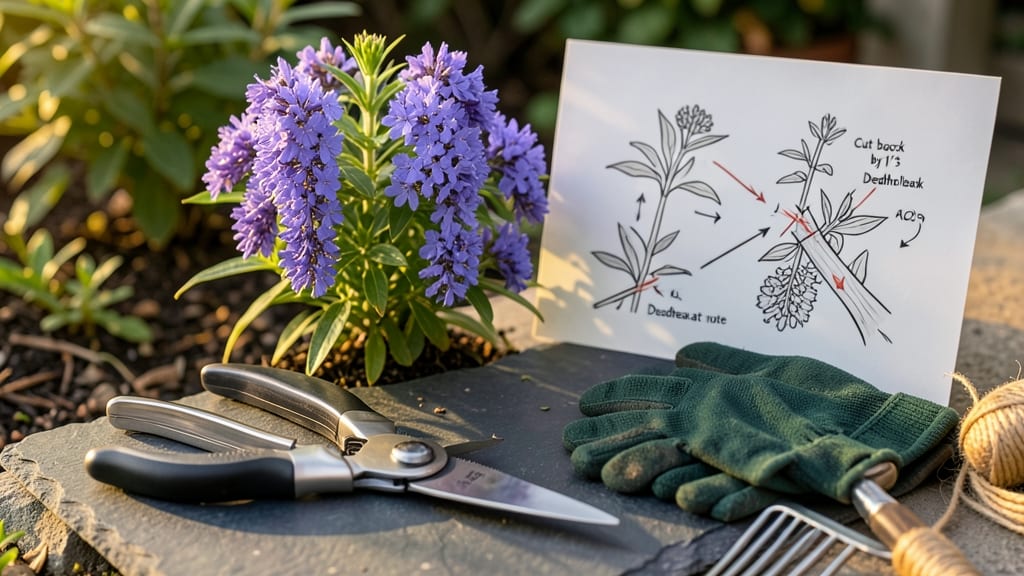
Pruning miniature buddleia transforms it from a scraggly mess into a neat, blooming powerhouse—and I’ve finally cracked the code after years of over-pruning and under-pruning. 🌿 The key? Timing that matches its growth cycles, not just the calendar.
Most gardeners cut back too late, missing the early spring flush of new shoots that fuels summer flowers. My plants now burst with blooms from June through frost, all because I prune with the plant, not against it.
You’ll need just three tools: sharp bypass pruners (dull blades tear wood), loppers for thicker stems, and a pair of gloves—buddleia thorns are no joke. The real secret? Pruning in three stages: a light trim after flowering, a mid-summer shape-up, and a hard cutback in late winter.
That’s it. No complicated schedules, just observing when the plant tells you it’s ready. My 5-foot-tall ‘Nanho Blue’ now fits perfectly in a corner, with blooms so dense they look like a cloud of lavender.
Here’s the game-changer: never prune into old wood. Always cut just above a set of healthy buds—you’ll see them clustered where last year’s growth meets this year’s. Do it right, and you’ll trigger bushier growth and more flowers.
The payoff? A plant that stays compact, blooms like crazy, and never looks like it’s fighting for space. Even my black thumb can’t mess this up.
Works for all miniature buddleias—‘Nanho Purple’, ‘Lo & Behold’, or ‘Peace’—and adapts to containers or garden beds. The only rule? Start small. Trim just 10% of the plant your first year to see how it responds.
That’s how you avoid the “I’ve killed my buddleia” panic that haunts so many gardeners. Let’s get those shears sharp and those stems tidy!
📚 In This Guide
- What you need
- Instructions
- Tips and common mistakes
- Wrapping up and next steps
What you need
- ● Pruning shears: Bypass pruners (for clean cuts on small stems, 4-6 inches long). Quantity: 1 pair.
- ● Loppers: For thicker stems (if your buddleia has woody growth, 8-12 inches long). Quantity: 1 pair.
- ● Hand pruners: Anvil-style (for quick trims, if needed). Quantity: 1 pair.
- ● Gloves: Garden gloves (nitrile-coated for grip and protection). Quantity: 1 pair.
- ● Disinfectant: Rubbing alcohol or 10% bleach solution (to sterilize tools between cuts). Quantity: Small bottle or spray.
- ○ Pruning saw: Only if needed (for very thick, woody stems). Quantity: 1 (optional).
- ● Garden twine or tape: For marking branches to remove later.
- ● Sharpie or marker: To label branches if you’re doing layered pruning.
- ● Knee pad or stool: For comfort during longer sessions.
- ● Trash bag or bucket: To collect clippings and debris.
- ● Plant food or compost: For post-pruning nourishment (if fertilizing).
Step-by-Step guide to pruning miniature buddleia
Here's how to keep your compact buddleia looking tidy and blooming prolifically all season long.
✂️ Step 1: Prune After the First Frost
Once your miniature buddleia has finished flowering and the first frost hits, it's time to give it a hard prune. Grab your sharp pruning shears and cut back the entire plant to within 6-8 inches of the base. This might seem drastic, but it encourages fresh, vigorous growth in spring.
Look for the thickest, healthiest stems—these will produce the strongest new growth. Remove any dead, diseased, or crossing branches at the same time. You'll notice the plant looks almost skeletal after this cut, but trust the process. This is when buddleia stores energy underground for next year's blooms.
✂️ Step 2: Light Pruning in Early Spring
When new shoots appear in early spring (around March or April), do a light shaping prune. Trim back any overly long or leggy stems by about one-third to encourage bushier growth. Focus on opening up the center of the plant to improve airflow and sunlight penetration.
Watch for new growth buds—these are the small, plump swellings along the stems. Cut just above these buds at a 45-degree angle to prevent water from pooling. This ensures your plant will have strong, evenly distributed branches rather than a single dominant stem.
✂️ Step 3: Summer Maintenance Pruning
Throughout the growing season, do light maintenance pruning to keep your miniature buddleia neat. After each flush of flowers fades, trim back the spent flower spikes by about half. This encourages new blooms to form further down the stems and keeps the plant looking tidy.
Remove any deadheading or leggy growth that spoils the shape. You'll see new side shoots emerge from the base within 2-3 weeks—this is your plant responding to the pruning. Avoid heavy pruning in summer, as it can delay fall blooms. Just a little tidying keeps things under control.
✂️ Step 4: Final Light Trim Before Winter
About 6 weeks before the first frost, do a final light trim to remove any straggly growth. Cut back any stems that are growing too long or out of shape, but avoid heavy pruning. This helps harden off the plant for winter and keeps it looking neat.
Check for any weak or diseased branches and remove them completely. You'll notice the plant starts to slow down its growth as fall approaches—this is normal. A light trim now ensures it enters dormancy in good shape, ready for next year's blooms.
Tips & tricks for perfect miniature buddleia pruning
Real talk: I learned these tricks after watching my first buddleia become a tangled mess. These small adjustments make all the difference in keeping your compact plant looking intentional, not chaotic.
The Hard Prune Secret: When you cut back to 6-8 inches in Step 1, don't just hack randomly. Look for the thickest stems—these are your plant's powerhouses for next year's growth. I like to make my cuts just above a leaf node or bud where new growth can emerge. This isn't just about length; it's about setting up a strong framework for spring.
Spring Pruning Angle Matters: That 45-degree angle in Step 2 isn't just for show. Cutting at this angle prevents water from pooling on the wound, which could lead to rot. I use my pruners to make clean cuts, then run my thumb along the edge to check for smoothness. Rough cuts invite pests and disease—something you definitely want to avoid with these delicate plants.
Summer Maintenance Timing: The 2-3 week window mentioned in Step 3 is your plant's natural response time. If you see new shoots emerging within this timeframe, you're on track. But if nothing happens after 4 weeks, you might be pruning too aggressively. Think of summer pruning as gentle shaping rather than heavy cutting—this keeps your buddleia blooming continuously rather than just once a year.
Winter Prep Insight: That 6-week window before frost is crucial for hardening off your plant. I start my final trim in early October in my zone, which gives the plant time to adjust before winter. Look for any branches that are thinner than a pencil—these are the weak links that might not survive. Remove them completely to redirect the plant's energy to stronger growth.
Pro Tips for Miniature Buddleia Pruning
- Real talk: I learned these tricks after watching my first buddleia become a tangled mess.
- The Hard Prune Secret: When you cut back to 6-8 inches in Step 1, don't just hack randomly.
- Spring Pruning Angle Matters: That 45-degree angle in Step 2 isn't just for show.
Frequently asked questions
Got questions about keeping your miniature buddleia tidy and thriving? You’re not alone! Here are answers to the most common queries—from timing to troubleshooting—so you can prune like a pro.
When is the best time to prune miniature buddleia?
Prune your miniature buddleia late winter or early spring (just before new growth starts) to encourage fresh, compact blooms. A light trim in late summer after flowering also helps maintain shape. Avoid heavy cuts in fall—let the plant rest!
How much should I cut back my miniature buddleia?
For most varieties, reduce stems by 1/3 to 1/2 their height. Cut just above a leaf node or bud to stimulate bushier growth. Over-pruning can stress the plant, while under-pruning may lead to leggy, sparse blooms. Think "less is more"!
Can I prune miniature buddleia in containers?
Container-grown buddleia benefits from regular pruning—trim back by 1/3 in spring and pinch back tips in summer to encourage branching. Ensure pots have drainage holes and use well-draining soil to prevent root rot. Rotate pots occasionally for even growth!
Why isn’t my miniature buddleia blooming after pruning?
Bloom issues often stem from over-pruning (cutting too late or too hard) or poor light. Ensure your plant gets full sun (6+ hours/day) and fertilize lightly in spring with a balanced bloom booster. Deadhead spent flowers to redirect energy to new blooms!
Are there alternatives to pruning for neater growth?
If pruning feels overwhelming, try pinching (removing the tips of new growth) or thinning (removing a few overcrowded stems). For a natural look, let it grow wild but trim back after flowering to control size. Mulching also keeps roots healthy!
Wrapping up and next steps
Pruning your miniature buddleia doesn’t have to be intimidating—with the right timing, tools, and techniques, you’ll enjoy neater growth, more blooms, and a healthier plant year-round. 🌿 Whether you’re trimming back after winter dormancy or shaping it for summer flair, consistency is key.
Now’s the perfect time to roll up your sleeves and give your little butterfly magnet the TLC it deserves!
Ready to take the next step? Grab your pruners and schedule that first trim—your buddleia (and pollinators!) will thank you. For extra inspiration, check out our pruning calendar to keep your garden looking its best all season long.