
Pruning
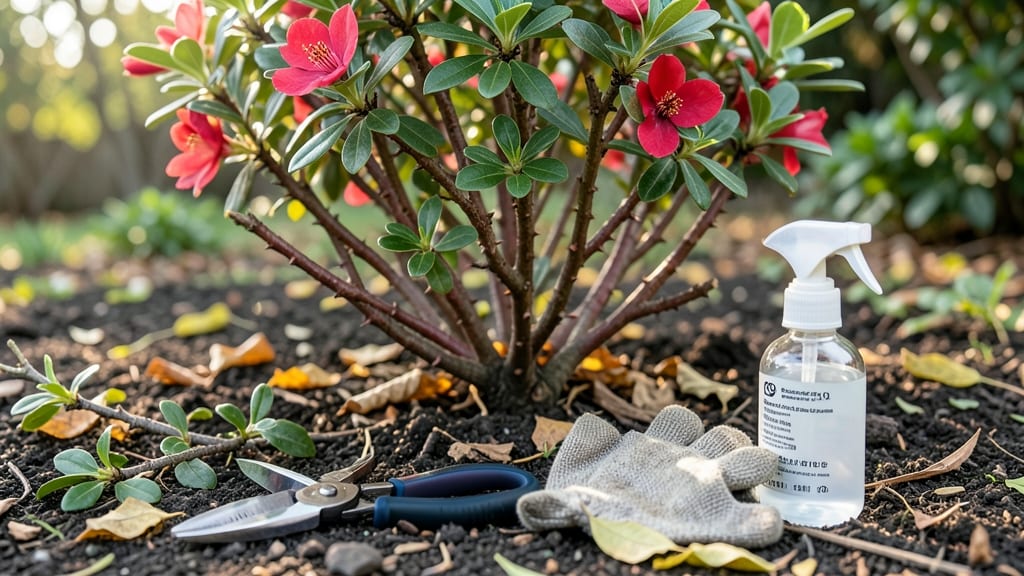
Pruning ornamental quince trees requires trimming dead or tangled branches during late winter or early spring to improve air circulation, encourage lush flowering, and maximize fruit yield while shaping the plant. Always use clean, sharp pruners and disinfect between cuts to stop disease from spreading.
Timing matters most with quince pruning. 🌿 The dormant season (late winter/early spring) lets you see the tree's structure clearly while minimizing stress on the plant. Cold weather also reduces fungal risks compared to summer pruning, which can invite infections through fresh cuts.
I've found that pruning just before bud swell—when you can see next year's growth points—gives the best results for both blooms and fruit.
Beyond the basics, proper technique prevents common mistakes. Always cut at a 45-degree angle just above an outward-facing bud to encourage healthy growth. Dead branches snap easily when dry, while crossing branches create shaded areas that trap moisture.
Sterilizing tools between cuts with rubbing alcohol prevents bacterial spread, and mulching after pruning helps retain moisture while the tree recovers.
💡 In This Article
- Best Pruning Timing for Quince Trees
- Step-by-Step Quince Pruning Techniques
Best pruning timing for quince trees
Late winter or early spring is the ideal time for pruning ornamental quince because the tree is dormant, making it less stressful to remove branches. During dormancy, the plant's energy is conserved in its roots, so cutting back branches won't trigger unnecessary stress.
The cold temperatures also help reduce the risk of fungal infections, which can spread more easily in warm, humid conditions. This is why pruning in late winter—right before bud swell—gives you the perfect window to shape the tree without disrupting its natural growth cycle.
Here's what's actually happening: When you prune during dormancy, you're encouraging new growth to emerge from the buds that remain after cutting. Quince trees typically begin bud swell in late winter, often around February to March, depending on your climate zone.
This is your cue to prune, as the buds will soon burst into life, and you want to direct that energy toward healthy branches. Avoid pruning in summer because the fresh cuts can act as entry points for fungal diseases like powdery mildew, which thrives in warm, moist conditions.
The science behind this timing involves the tree's hormonal balance. During dormancy, the plant's growth hormones are at a low ebb, so removing branches won't trigger a strong response. In contrast, pruning during active growth can lead to excessive bleeding (the oozing of sap) and stress, which weakens the tree.
Additionally, summer pruning can disrupt the flowering cycle, as quince trees often set their blooms in late winter or early spring. By pruning at the right time, you're essentially resetting the tree's growth priorities, encouraging stronger blooms and better fruit production.
Consider these seasonal cues to time your pruning perfectly:
- Bud Swell: Look for plump, swollen buds along the branches—this signals the tree is preparing to wake up from dormancy. Prune just before this stage to avoid cutting off potential blooms.
- Bloom Timing: Quince trees typically bloom in early spring, so pruning after the flowers have faded ensures you don't remove next year's flower buds.
- Weather Conditions: Choose a dry, calm day for pruning to minimize stress on the tree. Avoid pruning if rain is forecasted within 24 hours, as wet conditions can promote fungal growth.
What most people don't realize is how critical the 45-degree angle is when making cuts. This angle helps water run off the cut, reducing the risk of rot or disease. Always cut just above an outward-facing bud to encourage the new growth to branch outward, creating a fuller, bushier tree.
This technique not only improves airflow but also maximizes sunlight exposure, which is essential for vibrant blooms and fruit production.
For example, if you're pruning a mature quince tree, you might remove up to 25-30% of the canopy in one session, but never more than that to avoid overstressing the plant. Younger trees can handle slightly more aggressive pruning, as they have more energy to recover.
The key is to balance shape, airflow, and growth potential while keeping the tree's natural form intact.