
Pruning
Spring is the perfect time to refresh your garden by pruning plants that thrive with strategic trimming. These 10 essential plants benefit from early-season pruning to boost blooms, improve airflow, and prevent pests—before summer’s heat intensifies.
Hydrangeas for Larger Summer Blooms
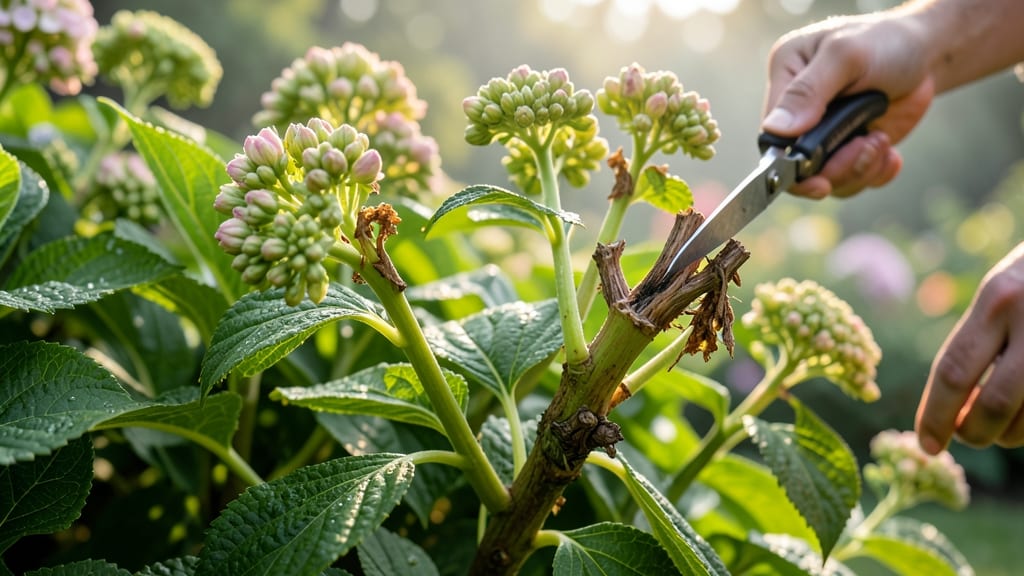
Want showstopping hydrangea blooms this summer? The secret starts now—pruning in late spring (after the first flush of flowers) directs energy toward larger, fuller blooms later in the season.
Focus on cutting back overgrown stems by one-third to improve airflow and shape the shrub. For mophead hydrangeas, remove spent blooms at the base, while panicle types benefit from pruning to an outward-facing bud. This simple step transforms leggy shrubs into bold, statement-making plants that steal the show from July through September.
Gardeners who prioritize dramatic floral displays—like those planning wedding bouquets or summer garden photos—will see the biggest payoff. Just 15 minutes with pruners now can mean football-sized blooms by summer! 🌻
Roses to Prevent Disease Outbreaks
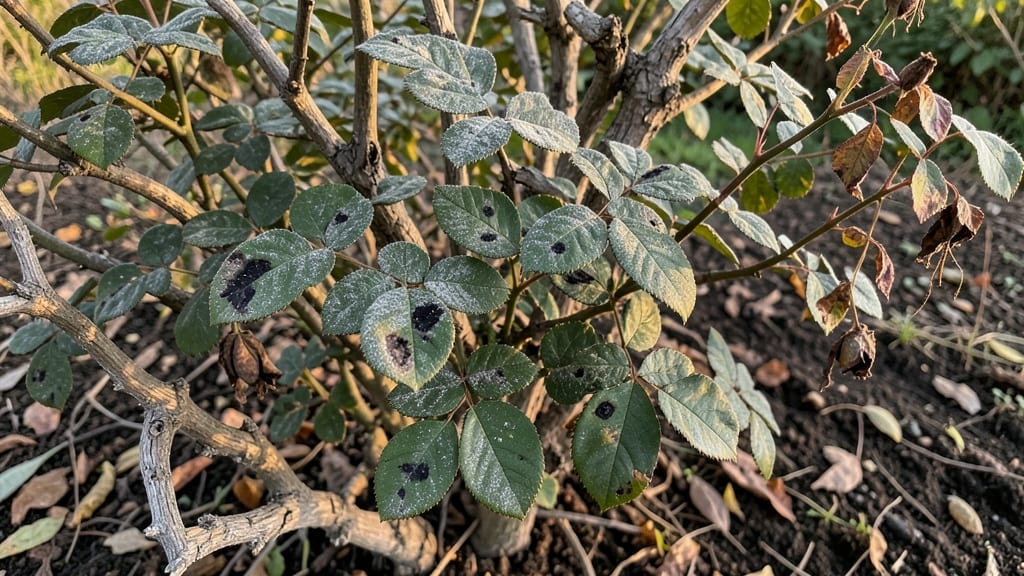
If your roses look like they’re fighting a losing battle against powdery mildew or black spot, spring pruning is your secret weapon. Humid climates and organic gardens are especially vulnerable to fungal outbreaks, but removing dead wood and improving airflow can drastically reduce risks—while also encouraging stronger blooms.
Start by cutting out any blackened, mushy, or diseased stems first, then shape the bush by removing crossing branches and inward-growing canes. Aim to open the center of the plant to let sunlight and air circulate freely, which naturally deters fungal spores. For organic gardeners, this step is even more critical—chemical fungicides aren’t an option, so pruning becomes your first line of defense.
This method works best for gardeners in zones 5-9 who want to keep their roses thriving without relying on harsh treatments. A little early effort now means fewer headaches (and fewer dead blooms) all summer long. ✨
Boxwood Shrubs for Neat, Manicured Borders
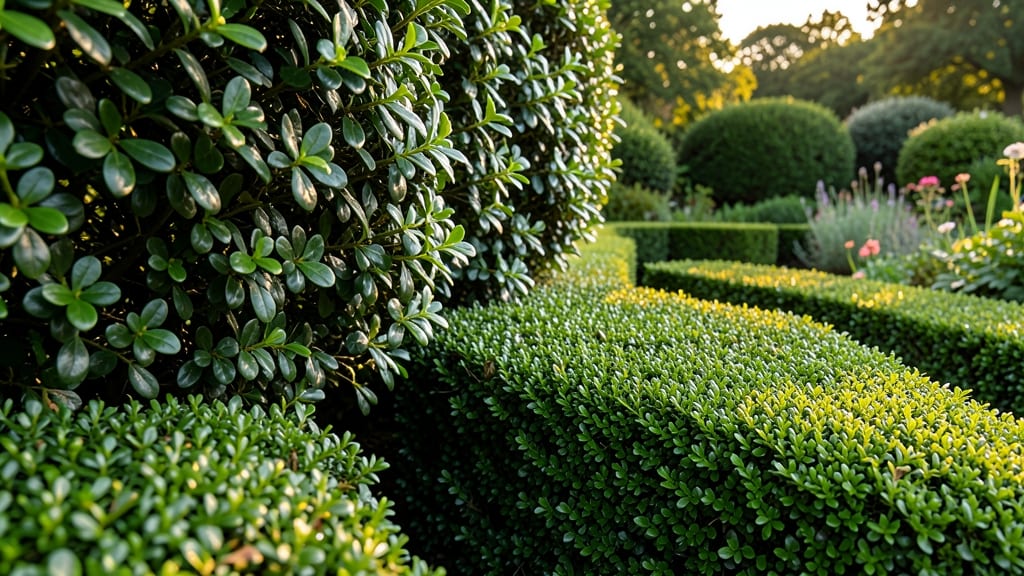
If your garden borders look a little unruly, boxwood shrubs are the secret weapon for achieving crisp, manicured edges that define any landscape. Their dense, evergreen foliage holds its shape beautifully when pruned correctly—making them ideal for hedges, topiaries, and foundation plantings that demand precision.
Prune boxwoods in early spring before new growth emerges, using sharp shears to trim back any overgrown branches while maintaining their natural form. For hedges, aim for a clean, straight line, while topiaries benefit from gradual shaping over time. Avoid heavy pruning in late spring or summer, as this can stress the plant and reduce winter hardiness.
Boxwoods thrive in partial shade to full sun and are perfect for gardeners who want low-maintenance yet polished borders. Their year-round greenery adds structure to any design, making them a favorite for formal gardens and urban landscapes alike. 🌿
Lavender Bushes for Bushier Growth
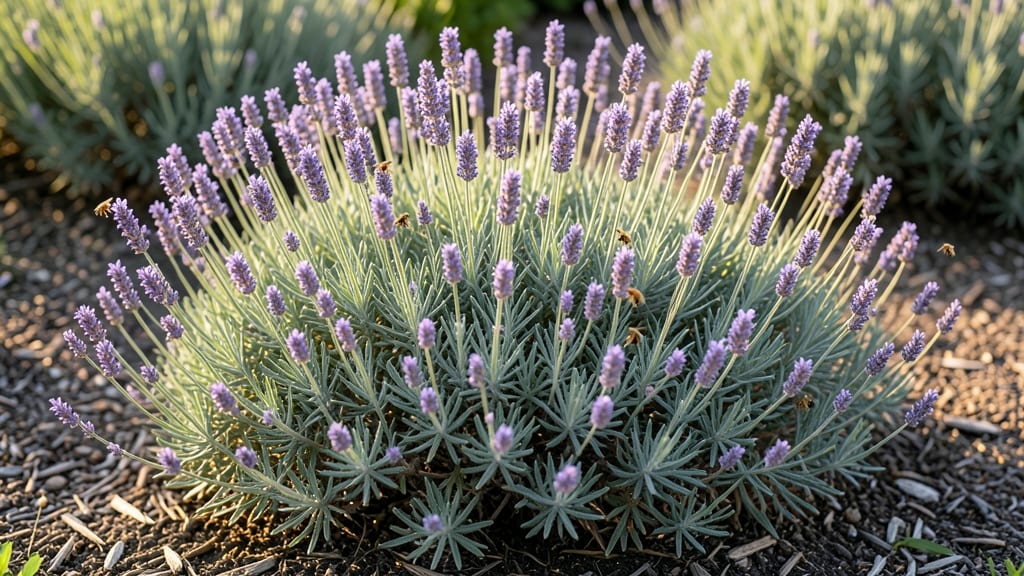
Want a lavender bush so dense with fragrant foliage that bees buzz happily all season? The secret lies in strategic pruning—cutting back woody stems in early spring triggers bushier, more vibrant growth. This isn’t just about aesthetics; it’s about maximizing the plant’s natural oils, which are prized for culinary uses (like baking) and aromatherapy blends.
Use clean, sharp pruners to trim back about one-third of the oldest, thickest stems to the base in late winter or early spring. Avoid cutting into fresh green growth, as this harms the plant’s ability to photosynthesize. For culinary lavender, focus on pruning after flowering to maintain oil potency. This method also prevents leggy growth and keeps your lavender compact—ideal for container gardens or small spaces.
Culinary gardeners and aromatherapy enthusiasts will love how this simple technique boosts both yield and fragrance. Plus, bees adore the dense blooms, turning your garden into a pollinator paradise. 🌱
Fruit Trees for Better Yield
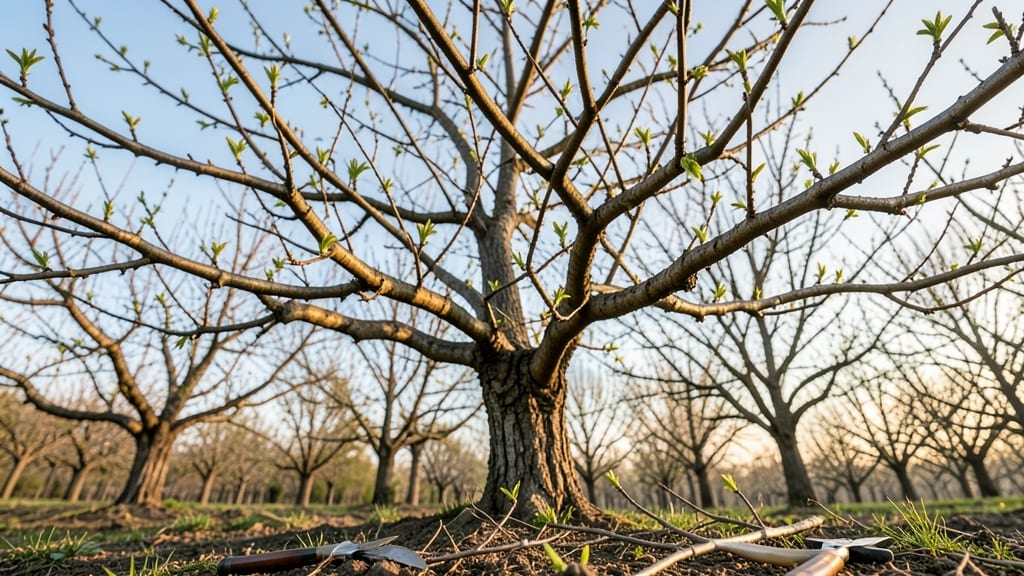
Want a bumper crop this year? Pruning your fruit trees in late winter or early spring is the secret to maximizing sunlight exposure for fruit production. This is your chance to thin out crowded branches and redirect energy toward larger, healthier fruit—perfect for homesteaders or urban orchard enthusiasts with limited space.
Focus on removing dead, diseased, or crossing branches first, then open the canopy by cutting back branches that block light from reaching the center. For apple and pear trees, aim to create an open vase shape, while stone fruits like peaches and plums benefit from a more rounded form. Prune during dormant season (before buds swell) to minimize stress on the tree.
This simple step can double your fruit yield by ensuring every branch gets adequate sunlight and air circulation. 🌟
Oleander for Controlled, Non-Invasive Growth
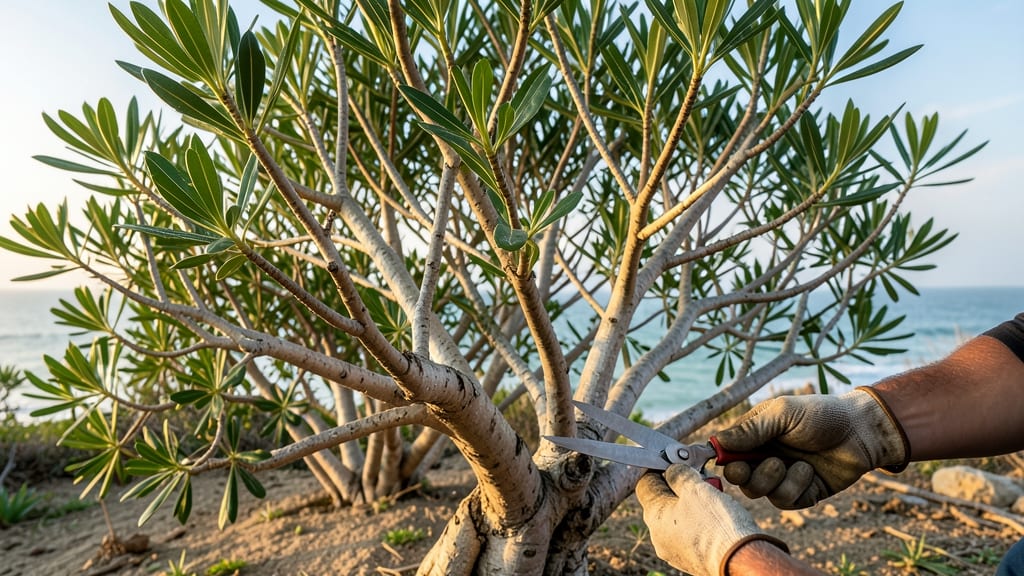
If your oleander shrubs are stretching tall and leggy, spring pruning is your secret weapon to keep them compact and lush. This drought-tolerant plant thrives in coastal climates but can quickly outgrow its space without regular maintenance.
Focus on cutting back one-third of the oldest stems at the base to encourage new, bushier growth. For hedges, use sharp shears to trim just above a leaf node, creating a clean, defined shape. Avoid heavy pruning in late spring, as it can reduce summer blooms—oleanders reward patience with fragrant flowers from June through fall.
Coastal gardeners will love how this technique keeps oleander from becoming a wild, unruly mess while maintaining its heat-resistant** nature. Perfect for low-water landscapes! 🌻
Perennial Grasses for Airy, Modern Landscapes
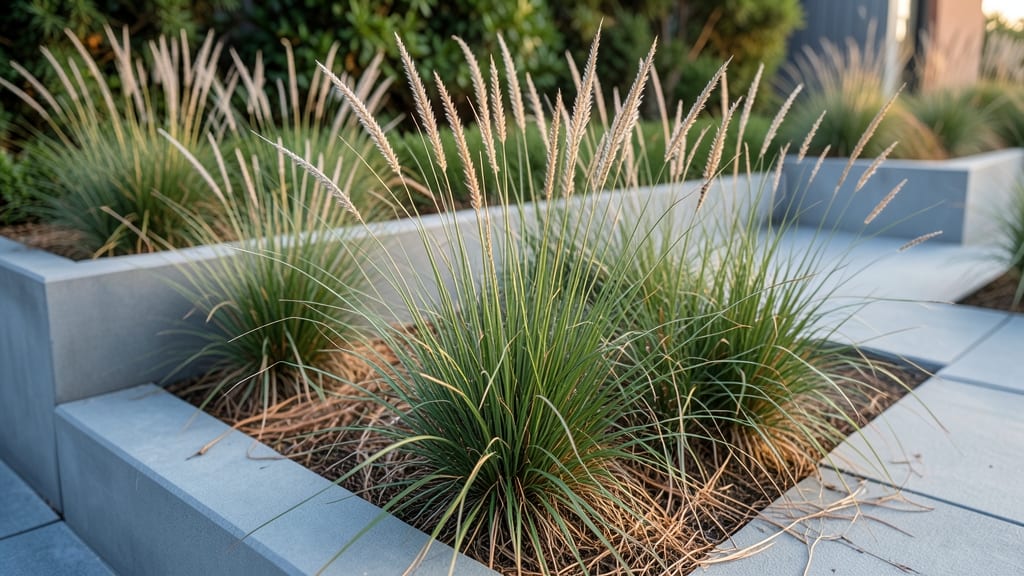
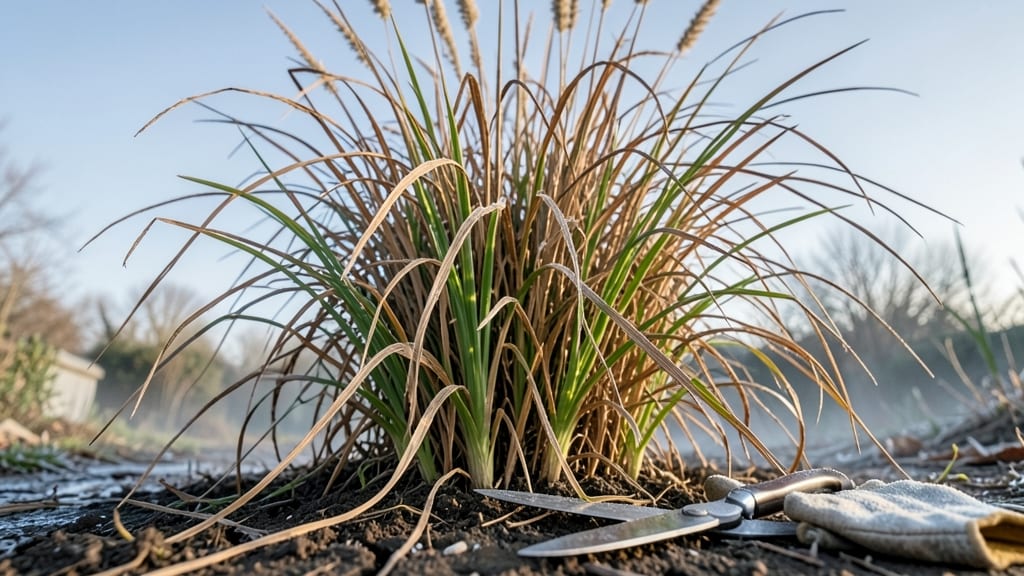
Transform your garden into a sleek, contemporary space by pruning perennial grasses this spring. These architectural plants thrive when you cut back their dead foliage in early spring, revealing fresh growth that adds movement and texture to modern landscapes.
Focus on grasses like feather reed grass or maiden grass, which benefit from a hard trim right before new shoots emerge. Use sharp shears to cut back to about 6 inches above the ground, leaving room for the plant to regrow. This practice not only improves their appearance but also prevents disease and encourages fuller, more vibrant growth throughout the season.
Perfect for urban gardeners or those embracing minimalist design, these grasses require minimal upkeep while delivering maximum visual impact. Their airy plumes add a soft contrast to sharp-edged plants, creating a balanced, modern look. 🌱
Wisteria Vines for Manageable Canopy
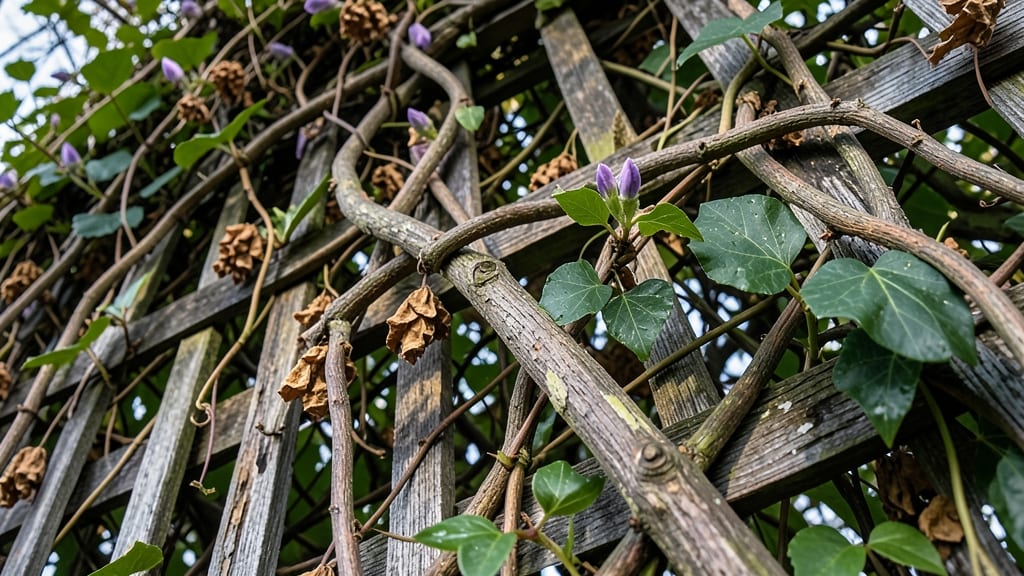
If your wisteria vine is threatening to swallow your trellis whole, now is the time to take control. This fast-growing climber needs strategic pruning in early spring to prevent unruly sprawl while maximizing those show-stopping purple blooms.
Focus on removing last year’s flower clusters (they won’t bloom again) and thinning out overcrowded stems to improve airflow. Aim to keep 3-5 strong, healthy branches—this encourages bushier growth and more abundant blooms next season. For trellises, prune to maintain a balanced canopy, ensuring sunlight reaches all parts of the vine.
Urban gardeners with limited space will appreciate how this approach keeps wisteria contained and manageable while still delivering that fragrant, romantic display. 🌷
Hibiscus Plants for Stronger Stems
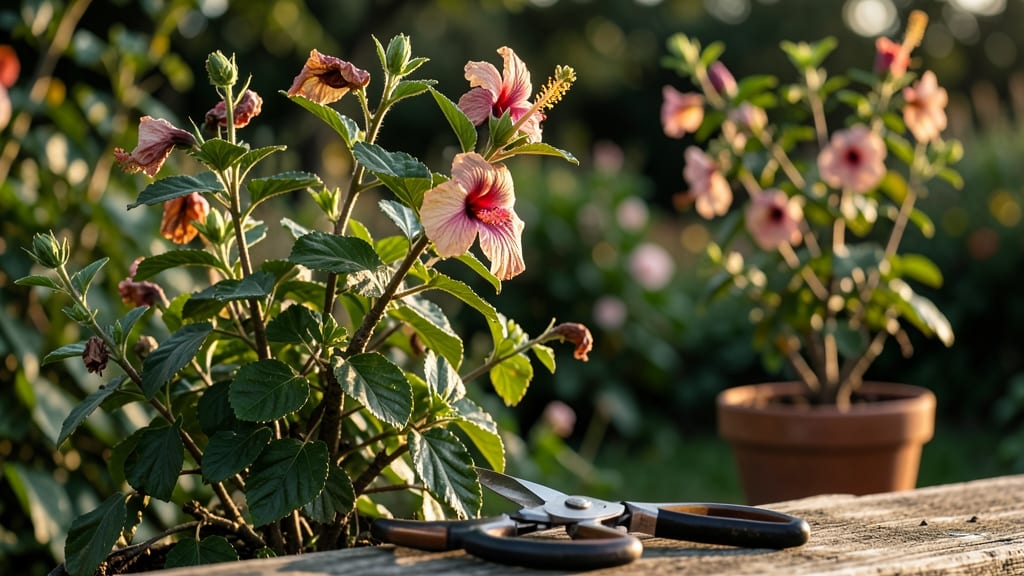
If your hibiscus plants look leggy or overcrowded, spring pruning is your secret weapon for stronger, more resilient stems. This tropical beauty thrives when you remove spent blooms and weak growth—especially if you're growing them in containers or in warm climates where they can become top-heavy.
Start by cutting back dead or faded blooms to the nearest leaf node, redirecting energy into new growth. For woody stems, trim back any that are thinner than a pencil or growing in awkward directions. This reduces flopping and encourages a bushier, more compact shape. Use clean, sharp pruners to avoid damaging the plant, and always prune just above a leaf or bud.
Container gardeners will love this tip: Regular pruning prevents root-bound stress and keeps hibiscus blooming longer. It’s also perfect for tropical gardeners who want to maintain their plants’ vibrant health through summer’s heat. 🌻
Ornamental Grasses for Winter Protection

Cold climates can be tough on ornamental grasses, but a simple spring pruning step keeps them thriving. By cutting back last year’s brown or frost-bitten growth in early spring (before new shoots emerge), you prevent fungal diseases and create space for fresh, vibrant foliage to shine.
Use sharp pruners or shears to trim old stems down to about 6 inches above the ground, focusing on varieties like Miscanthus or Feather Reed Grass. This isn’t just about looks—it also reduces winter debris buildup, which can harbor pests. For tender varieties, wait until late spring when frost risk has passed to avoid damaging emerging growth.
This method is a game-changer for gardeners in USDA zones 4-7, where winter damage is common. It’s quick, effective, and ensures your grasses stay healthy and stunning all season long. 🌿