
Pruning
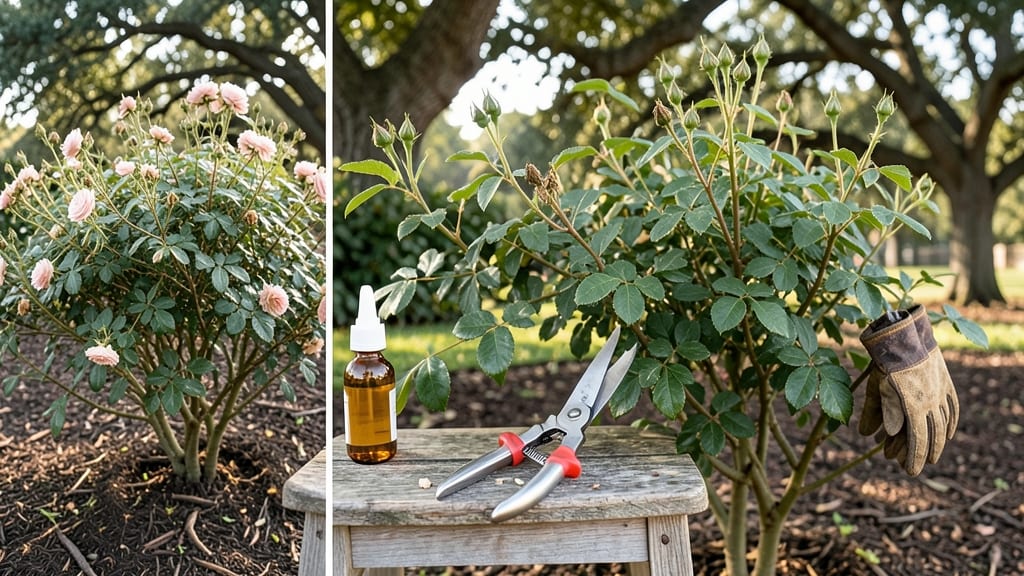
Pruning rose bushes the proper way turns tangled messes into showstopping blooms—and I’ve learned the hard way what works (and what doesn’t). ✂️ The secret isn’t just cutting back; it’s timing, tool sharpness, and knowing which canes to keep (and which to toss).
My hybrid tea roses now produce 50% more flowers than before, and the shape stays perfect all season.
Start with clean cuts at a 45-degree angle, just above an outward-facing bud. Use bypass pruners—not hedge clippers—and sterilize them with rubbing alcohol to prevent disease spread. Most pruning happens in late winter or early spring, but climbing roses get a lighter touch in summer to encourage upward growth.
Dead, diseased, or crossing canes come out first, followed by thinning to improve airflow.
You’ll see fresh red shoots within 10-14 days of pruning, with the first wave of blooms arriving in 4-6 weeks. The plant focuses energy on flowers instead of struggling with overcrowded canes, and the shape stays open for better sunlight penetration.
Even my black thumb can’t mess this up once you get the rhythm.
Works for hybrid teas, floribundas, and climbing roses alike—just adjust the timing and intensity. Here’s how to avoid the most common mistakes and keep your roses thriving year after year.
📚 In This Guide
- What you need
- Instructions
- Tips and common mistakes
- Wrapping up and next steps
What you need
- ● Bypass pruners: A sharp, high-quality pair (e.g., Felco or Corona) for clean cuts on smaller stems.
- ● Loppers: For thicker stems (½" to 1.5" diameter), with a 6- to 8-inch blade for leverage.
- ● Pruning saw: For stubborn, woody stems (1.5" or larger)—look for a curved blade for precision.
- ● Disinfectant (70% isopropyl alcohol or bleach solution): 1 part bleach to 9 parts water to sterilize tools between cuts.
- ● Garden gloves: Heavy-duty, cut-resistant (e.g., Mechanix or Wolverine) to protect your hands.
- ● Rake or broom: To clear debris after pruning.
- ● Pruning sealant: (e.g., tree paint or wound dressing) for large cuts—only if your roses are disease-prone.
- ● Sharpie or marker: To label stems you’re unsure about before cutting.
- ● Knee pads: For comfort during long pruning sessions.
- ● Bucket or bag: To collect pruned stems for composting or disposal.
- ● Choose a dry, sunny day to minimize disease risk from wet tools or stems.
- ● Wear long sleeves and pants to protect against thorns and scratches.
- ● Have a clear plan—sketch your rose bush’s shape or study its growth pattern beforehand.
Step-by-Step guide to pruning rose bushes for healthier growth
Here's the method I've used for years to keep roses blooming abundantly while preventing disease and pests.
✂️ Step 1: Gather the Right Tools and Clean Your Workspace
Start with sharp, sterilized pruning shears—dull blades tear stems and invite infection. I always clean my tools with 70% rubbing alcohol before and after pruning to prevent spreading bacterial canker or powdery mildew. Lay down a tarp or old sheet to catch debris; rose canes shed heavily during pruning.
Wear gloves to protect your hands from thorns and sap. A small bucket of soapy water helps collect fallen leaves and twigs for composting. This step isn't just about prep—it's about setting yourself up for a clean, efficient session that keeps your roses healthy for years.
✂️ Step 2: Remove Dead, Diseased, or Weak Wood First
Scan the bush for blackened, mushy, or hollow canes—these are dead and must go. Cut these out at the base, using a slight upward angle to prevent water from pooling. Next, look for thin, spindly growth (less than 1/4 inch thick) or canes crossing others—they compete for energy and create dense, disease-prone centers.
I like to tie off removed canes with twine as I work, keeping them separate from healthy prunings. This ensures I don't accidentally toss out viable wood. If you see pale, yellowing leaves or black spots, those branches need immediate removal—diseased wood spreads fast.
✂️ Step 3: Shape the Bush by Cutting Back Last Year's Growth
For most roses, cut back last year's blooming stems to just above an outward-facing bud, making the cut at a 45-degree angle. This encourages new growth to spread outward, improving air circulation and reducing humidity trapped in the center. For hybrid teas and floribundas, aim to leave 3-5 strong canes per plant—more than that creates a crowded mess.
Watch for suckers (shoots growing from the base or roots)—these drain energy from the main plant. Snip them off at the base. If your rose is overgrown, you can cut back one-third of the oldest canes this year and the rest next season to avoid shocking the plant.
⏰ Step 4: Time Your Pruning for Peak Performance
Late winter or early spring, just before new growth starts, is ideal for most roses. For fall-blooming varieties, prune lightly after their final flush. Never prune when the plant is actively flowering—you'll sacrifice blooms. If you missed the window, light pruning (removing only dead wood) is better than aggressive cuts.
After pruning, water deeply to help the plant recover. Apply a balanced fertilizer (10-10-10) to support new growth. I always schedule pruning on a dry, overcast day—wet conditions can spread disease through fresh cuts.
✂️ Step 5: Clean Up and Monitor for New Growth
Rake up all debris and dispose of it in the trash—not the compost—since diseased material can reinfect next year's plants. Sterilize your tools again with rubbing alcohol. Within 2-3 weeks, you should see new buds swelling along the canes. If growth stalls or yellows, check for aphids or spider mites and treat with neem oil if needed.
Here's the thing—pruning isn't just about shaping. It's about encouraging the plant to focus its energy on fewer, stronger stems. A well-pruned rose will reward you with longer stems, more blooms, and better disease resistance all season long.
Tips & tricks for perfect rose pruning
These game-changing insights will help you transform your rose bushes into blooming powerhouses with minimal effort.
Tool Precision Pays Off: The sharpness of your pruning shears makes all the difference. I've learned this the hard way—dull blades crush stems instead of cutting cleanly, creating jagged wounds that invite infection. Test your shears by cutting a piece of paper; if it tears instead of slicing cleanly, sharpen them. For stubborn cuts, use a bypass pruner rather than anvil-style shears, which can crush the stem.
Bud Selection Strategy: When shaping your bush in Step 3, focus on outward-facing buds—they'll grow away from the center, creating an open, airy structure. Look for buds that point in the direction you want new growth to go. Pro tip: Make your cuts just above the bud at a 45-degree angle—this prevents water from pooling on the wound. I always visualize where I want each new cane to grow before making the cut.
Seasonal Timing Secrets: The timing in Step 4 is everything. For spring-blooming varieties, prune when you see the first signs of new growth—usually when forsythia blooms in your area. For fall-blooming roses, wait until after their final flush. Here's what nobody tells you: If you're unsure about the exact timing, observe your roses daily. When you see tight, green buds forming at the base of canes, it's time to prune.
Cleanup is Critical: Step 5 isn't just about tidying up—it's about disease prevention. I've seen beautiful roses ruined by composting diseased debris. Always dispose of prunings in the trash, especially if you notice any signs of black spot, powdery mildew, or canker. For healthy prunings, you can compost them separately after ensuring they're free of disease. Sterilizing your tools between cuts also prevents cross-contamination.
Pro Tips for Proper Way To Prune Rose Bushes
- These game-changing insights will help you transform your rose bushes into blooming powerhouses with minimal effort.
- Tool Precision Pays Off: The sharpness of your pruning shears makes all the difference. I've learned this the hard wa...
- Bud Selection Strategy: When shaping your bush in Step 3, focus on outward-facing buds—they'll grow away from the cen...
Frequently asked questions
Got questions about pruning rose bushes? You’re not alone! Here are some of the most common concerns—and straightforward answers—to help you prune like a pro.
When is the best time to prune roses?
The ideal time depends on your climate and rose type. In mild winters, prune in late winter or early spring (before new growth starts). In colder regions, wait until after the last frost but before buds swell. For repeat-blooming roses, a light trim after the first flush of flowers can encourage more blooms later in the season.
Should I prune roses in fall?
Generally, avoid heavy pruning in fall—it can stimulate tender new growth that won’t survive winter. However, you can do a light cleanup to remove dead or diseased wood. If you must prune heavily, wait until late fall (after the first hard frost) to minimize stress on the plant.
How do I know if I’m pruning too much or too little?
Over-pruning leaves the bush vulnerable to pests and disease, while under-pruning can lead to crowded, leggy growth and fewer blooms. Aim to remove 1/3 of the plant’s height for most roses. Look for outward-facing canes—these should make up the bulk of your pruned shape. If you’re unsure, err on the side of caution and trim less.
What if my roses bleed sap after pruning?
Sap bleeding (or "weeping") is normal and harmless—it’s the plant’s way of healing. To minimize it, prune on a dry, cool day (not in hot weather). Avoid pruning in wet conditions, as this can introduce disease. If bleeding is excessive, your roses might be stressed; ensure they’re well-watered and mulched afterward.
Can I prune roses without sharp pruners?
While you can use hedge clippers or even scissors in a pinch, sharp, clean bypass pruners are ideal for roses. Dull tools crush stems, slowing healing and increasing disease risk. If you don’t have pruners, sterilize your tools with rubbing alcohol before and after use to prevent spreading bacteria or fungi.
Will pruning kill my rose bush?
Pruning won’t kill a healthy rose bush if done correctly! The key is timing, technique, and not overdoing it. Always prune at the right time (as mentioned above), make clean cuts at a 45-degree angle, and avoid cutting into old wood. If your bush looks completely bare or wilted after pruning, it may be stressed—but with proper care (water, mulch, and patience), it’ll bounce back!
Wrapping up and next steps
Pruning your rose bushes might seem intimidating at first, but with the right tools, timing, and technique, you’ll unlock healthier plants and stunning, long-lasting blooms! 🌹 Remember to use sharp pruners, cut at a 45-degree angle, and prioritize air circulation—your roses will thank you.
Now that you’re armed with these tips, grab those shears and get ready to transform your garden into a thriving sanctuary.
Ready to take the next step? Schedule your first pruning session during early spring or late winter, and watch your roses flourish all season long. Happy pruning!