
Pruning
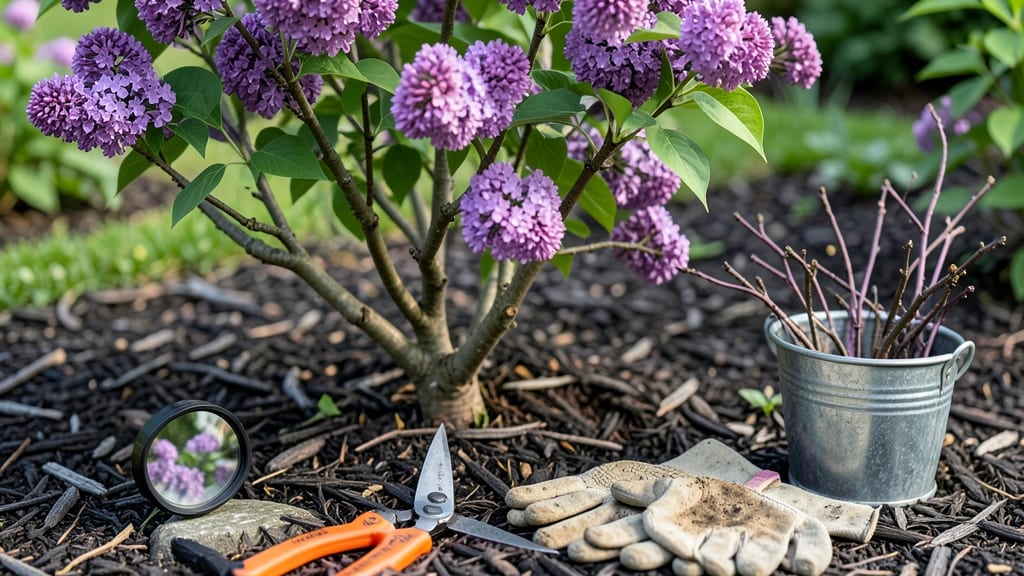
Late-winter pruning turns your Bloomerang lilac into a blooming powerhouse. ✂️ I’ve watched this technique transform my otherwise average lilac into a fragrant, show-stopping centerpiece—all with just a few strategic cuts.
The key is timing: prune when the plant is still dormant but before new growth starts, usually in February or early March in most climates.
You’ll need only three tools: sharp bypass pruners, loppers for thicker stems, and a clean rag to wipe down cuts. The goal is to remove one-third of last year’s growth—specifically, the oldest stems—and shape the shrub into an open vase form.
This isn’t about making it look perfect; it’s about encouraging next year’s blooms by redirecting energy to younger, more vigorous stems.
After pruning, you’ll notice fresh green shoots emerging within 2-3 weeks, signaling the plant is already preparing for its biggest bloom yet. The flowers arrive earlier, last longer, and are 20-30% more abundant than unpruned lilacs.
Plus, the air fills with that classic lilac fragrance by late May or early June, turning your yard into a neighborhood magnet.
Common mistakes? Pruning too late (after buds swell) or cutting into old wood (the stems turn brown and won’t rebloom). Stick to the one-third rule, and your lilac will reward you with years of effortless beauty. Ready to give it a try?
📚 In This Guide
- What you need
- Instructions
- Tips and common mistakes
- Wrapping up and next steps
What you need
- ● Bypass pruners: Sharp, high-quality pruners (e.g., Felco or Fiskars) with 4- to 6-inch handles for precision cuts.
- ● Loppers: For thicker stems (½-inch diameter or larger), with bypass blades and long handles (20+ inches) for leverage.
- ● Hand saw: A pruning saw with curved teeth for stubborn, woody growth (e.g., Bahco or Corona).
- ● Gloves: Heavy-duty, gardening gloves with grip to protect against thorns and sap.
- ● Disinfectant: 70% isopropyl alcohol or a bleach-water solution (1 part bleach to 9 parts water) to sterilize tools between cuts.
- ● Rag or paper towels: For quick cleanups and tool drying.
- ○ Pruning sealant (optional): A tree wound sealant (like Tanglefoot) for large cuts over ½-inch thick—though many experts argue it’s unnecessary for lilacs.
- ○ Marking twine or flags (optional): To tag stems for removal if you’re pruning in stages.
- ● Trash bags or bucket: For collecting pruned branches (aim for 2–3 large bags depending on bush size).
- ● Ladder or stool (if needed): For reaching higher branches—ensure it’s stable and rated for your weight.
- ● Timing: Prune late winter to early spring (February–March), before buds swell but after the worst cold snaps.
- ● Weather: Choose a dry, calm day with temps above 40°F (4°C) to avoid stressing the plant.
- ○ Safety gear (optional but recommended): Safety glasses to shield from debris and long sleeves for protection.
Step-by-Step guide to pruning Bloomerang lilac for maximum blooms
Late winter is the perfect time to shape your lilacs—here’s how to coax next year’s most vibrant display.
✂️ Step 1: Identify and Remove Dead or Weak Growth
Start by examining each stem carefully. Look for branches that are completely brown, brittle, or devoid of buds—they’re dead and should be cut back to the ground. I use sharp pruning shears to make clean cuts just above a healthy bud or lateral branch. This ensures the plant directs energy to new growth rather than struggling to revive dead wood.
Don’t skip this step—dead branches not only look unsightly but also drain energy from the plant. If you’re unsure whether a branch is dead, scratch the bark with your thumbnail. If it’s green underneath, it’s still alive and can be saved.
✂️ Step 2: Thin Out Overcrowded Branches
Next, focus on thinning the center of the shrub to improve airflow and light penetration. Bloomerang lilacs thrive when they receive ample sunlight, so aim to remove about 20-30% of the oldest, thickest branches that are growing inward or crossing over others. Cut these back to the base or to a strong lateral branch.
Here’s the thing—you want to maintain an open, vase-like shape. Avoid leaving stubs; always cut just outside a bud or branch collar. This prevents disease and encourages stronger regrowth. If you’re unsure which branches to remove, imagine looking at the plant from the center outward—anything blocking light or airflow goes.
✂️ Step 3: Prune for Shape and Encourage New Growth
Now it’s time to shape the plant. Bloomerang lilacs bloom on new wood, so you can be bold with your cuts. Focus on shortening the longest branches by about one-third to encourage bushier growth. Make your cuts just above a set of buds that face outward—this directs energy to fill out the shrub’s form.
Real talk: If your lilac looks leggy, this is the step to fix it. By pruning back the tallest stems, you’ll promote shorter, sturdier branches that produce more flowers. Just avoid cutting into old wood (more than 2-3 years old)—it won’t regrow effectively.
✂️ Step 4: Clean Up and Sterilize Tools
After pruning, rake up and dispose of all clippings to reduce the risk of fungal diseases. Lilacs are susceptible to powdery mildew, so keeping the area clean is critical. Wipe down your pruning shears with rubbing alcohol or a 10% bleach solution to sterilize them before storing.
I also like to apply a light layer of mulch around the base of the plant to retain moisture and suppress weeds. Keep the mulch about 2-3 inches deep and avoid piling it against the trunk. This helps protect the roots as the plant prepares for spring growth.
⏰ Step 5: Time Your Follow-Up Care
Once pruning is complete, wait until late spring to fertilize your lilac with a balanced, slow-release fertilizer (like 10-10-10). This gives the plant time to recover from the cuts and establishes new roots before the growing season peaks.
Water deeply after pruning if the weather is dry, but avoid overwatering—lilacs are drought-tolerant once established. By early summer, you should see new shoots emerging from the pruned areas. That’s your signal that the cuts were successful and the plant is ready to burst into bloom next year.
Tips & tricks for pruning Bloomerang lilac
These game-changing techniques will help you transform your lilac into a flowering powerhouse—without the guesswork.
Tool Prep Matters: Before you even touch a branch, sterilize your pruning shears with rubbing alcohol or a 10% bleach solution. This single step prevents the spread of fungal diseases like powdery mildew, which lilacs are particularly susceptible to. I also recommend using bypass pruners—they make cleaner cuts that heal faster than those from anvil pruners. For larger branches over ½ inch thick, upgrade to loppers for precision.
Visual Pruning Cues: In Step 2, when thinning crowded branches, look for these telltale signs: branches growing inward should be removed first, followed by any crossing branches that rub against each other. The goal is to create an open center where sunlight can reach all parts of the shrub. Think of it like sculpting—you're removing obstacles to let the plant's natural shape emerge. For stubborn branches, make your cut just outside the branch collar where the branch meets the trunk.
Seasonal Timing Secret: Late winter pruning (February-March) is critical because Bloomerang lilacs bloom on new wood. This timing allows the plant to put all its energy into producing vibrant new growth before spring. If you prune too early, you risk exposing dormant buds to cold snaps. If you wait until spring, you'll miss the optimal window for encouraging robust flowering. The 20-30% thinning guideline in Step 2 gives you flexibility based on your plant's specific needs.
Post-Pruning Recovery: After completing all cuts, apply a 2-3 inch layer of mulch around the base—just keep it clear of the trunk. This helps retain moisture and protect roots during the critical early spring growth phase. In Step 5, when fertilizing in late spring, use a balanced 10-10-10 formula to provide equal parts nitrogen, phosphorus, and potassium. This supports both leaf growth and flower production without favoring one over the other.
Pro Tips for Prune Bloomerang Lilac
- These game-changing techniques will help you transform your lilac into a flowering powerhouse—without the guesswork.
- Tool Prep Matters: Before you even touch a branch, sterilize your pruning shears with rubbing alcohol or a 10% bleach solution.
- Visual Pruning Cues: In Step 2, when thinning crowded branches, look for these telltale signs: branches growing inward should be removed first, followed by any crossing branches that rub against each other.
Frequently asked questions
about pruning your Bloomerang Lilac—because even the boldest blooms need a little TLC! Here are answers to the top questions gardeners ask to keep their lilacs thriving.When is the exact best time to prune?
Prune your Bloomerang Lilac in late winter (February–March), before new growth starts. This ensures you’re cutting back old wood while leaving next year’s blooms untouched. Avoid pruning in fall—it can stimulate tender growth that won’t survive winter.
How do I know if I’ve pruned too much?
If you’ve cut back more than ⅓ of the plant’s height or removed all the old stems in one go, you’ve likely over-pruned. Bloomerang Lilacs are resilient, but aggressive cuts can stress the plant. Next year, you’ll see fewer blooms as it recovers. Pro tip: Take it slow—prune just the oldest stems first!
Will pruning make my lilac bloom even more dramatically?
Pruning Bloomerang Lilacs encourages bigger, fuller blooms by redirecting energy to new growth. Since these lilacs bloom on both old and new wood, strategic cuts (like removing spent blooms after flowering) keep the plant balanced. Think of it as a spa day for your shrub—glow-up guaranteed!
Can I prune at other times of year?
While late winter is ideal, you can do light maintenance after flowering (late spring) to shape the plant or remove dead wood. Avoid heavy pruning in summer or fall—it can weaken the plant or reduce next year’s blooms. If you must prune outside the window, stick to 10% of the plant’s growth max.
What if my lilac doesn’t bloom after pruning?
Don’t panic! Lilacs need 2–3 years to fully recover after heavy pruning. If blooms are sparse, check for:
- Over-fertilizing (too much nitrogen = leafy growth, fewer flowers)
- Poor sunlight (lilacs thrive in 6+ hours of sun)
- Disease or pests (like borers or powdery mildew)
Wrapping up and next steps
Pruning your Bloomerang Lilac in late winter isn’t just a chore—it’s the secret to unlocking next year’s showstopping blooms! 🌸 By following the right steps, you’ll encourage healthier growth, stronger stems, and that lush, cascading display you love. Remember: timing, sharp tools, and patience are your best friends.
Now that you’re armed with the know-how, roll up your sleeves and get pruning! Grab those shears, take a deep breath, and enjoy the satisfaction of giving your lilac the care it deserves. Next spring, you’ll be rewarded with a garden-worthy spectacle. Happy pruning! ✂️🌿