
Pruning
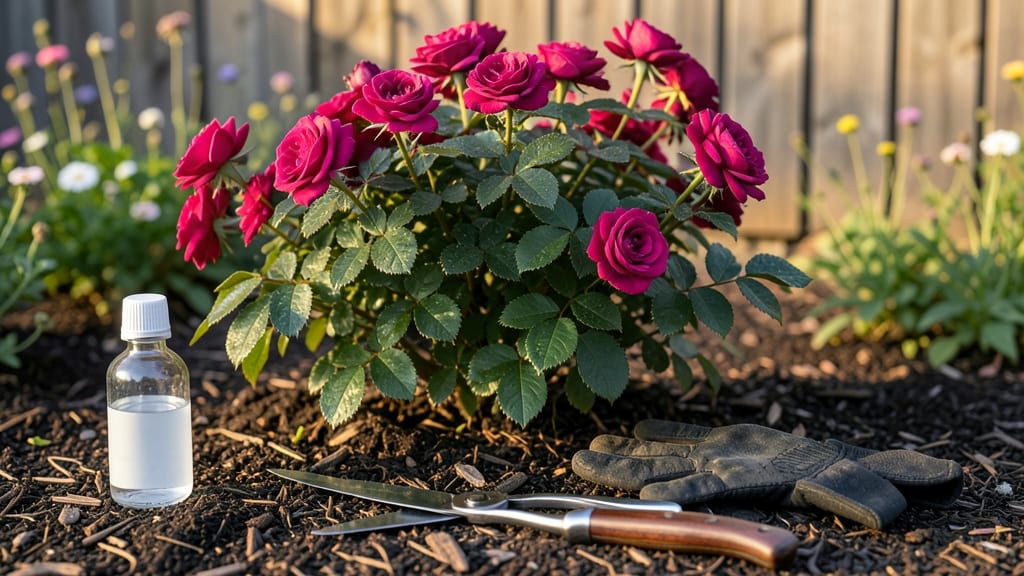
Pruning knockout roses for winter is the secret to vibrant spring blooms—and I’ve learned the hard way that timing matters more than technique. 🌱 Those thick, disease-resistant stems need a clean cut to store energy for next year’s growth, but prune too early or too late, and you’ll end up with leggy, weak plants.
The goal? Shape them after the first hard frost but before sub-zero temps hit, when the plant’s dormant but still resilient.
Start by removing dead or diseased canes—they’re easy to spot, brown and brittle, and they’ll only sap energy from healthy growth. Next, cut back last year’s blooms to just above an outward-facing bud, using clean pruners to avoid tearing the stem.
This encourages new growth that’ll bloom earlier in spring. I like to shape mine into an open vase form—it lets sunlight and air circulate, keeping pests and fungal issues at bay.
What you’ll end up with is a neat, sturdy framework ready to burst with fresh green shoots by April. The key is patience: resist the urge to prune back too aggressively, even if the plant looks sparse.
Knockout roses are tough—they’ll bounce back with lush, bushy regrowth if you give them time to recover. Just avoid pruning in freezing temps, and always sterilize your tools between cuts to prevent spreading disease.
Pro tip: Mulch around the base with 2-3 inches of organic matter after pruning to insulate roots from winter’s chill. This simple step keeps the soil warm enough for roots to stay active, giving your roses a head start when spring arrives.
Now grab those shears—your roses will thank you next summer!
📚 In This Guide
- What you need
- Instructions
- Tips and common mistakes
- Wrapping up and next steps
What you need
- ● Pruning shears: Bypass pruners (sharp, clean blades, 6–8" handle length) – 1 pair (invest in high-quality stainless steel for longevity).
- ○ Loppers: Bypass or anvil type (for thicker stems, 18–24" handle) – 1 pair (optional but helpful for mature roses).
- ● Garden gloves: Heavy-duty, cut-resistant (nitrile-coated for grip) – 1 pair (protects against thorns and bacteria).
- ● Disinfectant: Rubbing alcohol (70%+), bleach solution (1:9 bleach:water), or commercial pruner cleaner – small bottle or spray (sanitizes tools between cuts).
- ● Rake or broom: Stiff-bristled – 1 (clears debris from the base).
- ● Trash bags or compost bin: Heavy-duty for pruned branches – 2–3 bags (or access to composting area).
- ● Timing: Prune after the last hard frost but before new growth starts (typically late winter, February–March in most U.S. zones).
- ● Weather: Choose a dry, overcast day (avoid pruning in wet or freezing conditions).
- ○ Safety gear: Safety glasses (optional but recommended if roses are dense).
- ● Knowledge: Familiarize yourself with Knockout Rose growth habits (e.g., they bloom on new wood, so avoid over-pruning!).
- ● Hand saw: Pruning saw (for stubborn, thick stems) – 1.
- ● Pruning sealant: Tree wound dressing (controversial—skip if unsure; Knockout Roses heal well without it!).
- ● Notebook/pencil: To jot down pruning notes (e.g., "cut back to 12" from base").
- ● Knee pads: For comfort if roses are ground-covered.
How to prune Knockout roses for winter success
Late-winter pruning is where these hardy bushes really shine—let’s get them ready to burst with color.
✂️ Step 1: Time Your Prune for Late Winter
Knockout roses thrive when pruned after the worst winter cold passes but before new growth starts. Aim for 4-6 weeks before your last frost date, typically in late February or early March. You’ll know it’s time when the ground thaws enough to work, but buds haven’t swollen yet. Pruning too early risks cold damage; too late and you’ll cut off spring blooms.
Check your local frost dates—Knockout roses bloom on new wood, so they’re more forgiving than old-garden varieties. A light frost won’t hurt, but avoid pruning after 32°F nights if possible. I wait until daytime highs hit 50°F consistently before grabbing my shears.
🌿 Step 2: Gather Tools and Assess the Bush
You’ll need clean, sharp pruners (sterilized with rubbing alcohol to prevent disease), gloves, and a bucket for trimmings. Examine your Knockout rose—healthy canes are thick, brown, and slightly woody, while dead ones are hollow, brittle, or blackened. Look for 3-5 main stems radiating from the center; these are your structural framework.
Remove any dead, diseased, or crossing branches first. Crossing branches compete for energy and create weak points. I like to step back and visualize the bush’s natural shape—Knockout roses grow bushy, so aim for an open center with outward-facing canes. This airflow prevents fungal issues later.
✂️ Step 3: Make Clean Cuts at the Right Angle
Cut just above an outward-facing bud, making a 45-degree angle about ¼ inch above the bud. This prevents water from pooling on the cut and encourages new growth to shoot outward. Avoid leaving stubs—they invite disease. For thicker canes, make two cuts: the first 2 inches below the target bud, then a final cut at the correct angle.
Reduce each cane by ⅓ to ⅔ of its height, depending on how vigorous your plant is. Overly aggressive pruning stresses Knockout roses, while light cuts may not stimulate enough new growth. I target 18-24 inches tall post-prune—enough to support blooms but not so tall it flops in summer storms.
☀️ Step 4: Shape and Mulch for Spring
After pruning, step back and check for balance. Knockout roses should look full but not top-heavy. Thin out crowded areas by removing the smallest canes—these rarely produce strong blooms. Leave 3-5 of the healthiest, thickest stems to carry next season’s flowers.
Spread 2-3 inches of organic mulch (like shredded bark or compost) around the base, keeping it 6 inches away from the stem to prevent rot. This insulates roots from temperature swings and retains moisture. Water deeply after pruning to help the plant recover—you’ll see fresh green shoots within 2-3 weeks if conditions are right.
⏰ Step 5: Monitor and Adjust for Spring Growth
Keep an eye out for new growth within 6 weeks—this confirms your prune was successful. If buds swell but don’t break, wait a few more weeks before fertilizing lightly with 10-10-10 (half-strength). Avoid heavy feeding until you see 2-3 inches of new growth, or you’ll encourage weak, leggy stems.
Watch for pests like aphids or fungal spots on new leaves. Knockout roses are disease-resistant, but stress from pruning can make them vulnerable. Spray with neem oil if needed, but most issues clear up once the plant establishes new foliage. By late spring, your bush should look like a lush, blooming cloud—worth the effort!
Tips & tricks for perfect late-winter Knockout rose pruning
Here's what I learned after years of trial and error with these resilient bushes—these details make all the difference between a bush that struggles and one that explodes with color next season.
Timing is Everything: That 4-6 week window before your last frost is critical because it lets the plant recover before spring growth begins. I check for two signs: ground thawed enough to work without compacting soil, and buds still tight (not swollen). If you're unsure about frost dates, use the 50°F daytime highs rule as your backup—this temperature consistently signals safe pruning conditions.
Tool Prep Prevents Problems: Sterilizing your pruners with rubbing alcohol isn't just about clean cuts—it's disease prevention. I keep a small bottle of 70% isopropyl alcohol in my gardening bucket and wipe blades between every 3-4 cuts. Sharp tools also matter: dull blades crush stems instead of making clean cuts, which stresses the plant. Test your shears by cutting a piece of paper—if it tears, your blades need sharpening.
Visualizing the Bush's Future: Before making any cuts, I step back and imagine how the bush will look after pruning. Knockout roses naturally grow bushy, so aim for an open center with canes radiating outward. This isn't just about looks—better airflow between branches prevents fungal diseases that can ruin your blooms. When thinning crowded areas, remove the smallest canes first as they rarely produce strong flowers anyway.
Mulch Matters More Than You Think: That 2-3 inches of organic mulch isn't just for looks—it's winter insulation for your roots. I use shredded bark because it breaks down slowly, but compost works too. The key is keeping it 6 inches away from the stem to prevent rot. After pruning, water deeply to help the plant recover, and you'll see those first green shoots in just 2-3 weeks if everything's right.
Pro Tips for Prune Knockout Roses For Winter
- Here's what I learned after years of trial and error with these resilient bushes—these details make all the difference between a bush that struggles and one that explodes with color next season.
- Timing is Everything: That 4-6 week window before your last frost is critical because it lets the plant recover before spring growth begins.
- Tool Prep Prevents Problems: Sterilizing your pruners with rubbing alcohol isn't just about clean cuts—it's disease prevention.
Frequently asked questions
Got questions about pruning your Knockout Roses for winter? You’re not alone! Here are some of the most common concerns—and straightforward answers to help you prep like a pro.
When is the exact best time to prune Knockout Roses in late winter?
Prune after the last hard frost but before new growth starts—typically February to early March in most U.S. zones (3–9). Wait until daytime temps consistently rise above 40°F (4°C) to avoid frost damage. Pro tip: If you’re unsure, check your local frost dates or wait until buds swell slightly!
Do I need to cut all the way down to the ground like with other roses?
No! Knockout Roses are hardy and don’t need drastic cuts. Trim back by one-third to one-half of the plant’s height, removing dead, diseased, or crossing branches. Focus on shaping the bush—think of it as giving them a haircut, not a buzz cut. Avoid over-pruning; they’ll bounce back stronger!
What if I missed the late-winter window? Can I still prune?
Yes, but time it wisely. If you prune too late (April or later), you risk encouraging tender new growth that can’t survive another frost. If you’re late, lightly shape the plant and remove only the most damaged branches. Better late than never—but patience pays off!
Should I worry about pests or diseases after pruning?
Always! Clean up fallen leaves and debris to reduce hiding spots for pests (like aphids or Japanese beetles). Sterilize your pruners with rubbing alcohol between cuts, and avoid pruning when plants are wet to prevent fungal spread. A light copper fungicide spray in early spring can add extra protection.
Can I prune Knockout Roses in containers differently?
Container-grown Knockouts follow the same rules, but pay extra attention to root space. If roots are crowded, prune slightly less aggressively to avoid stress. Also, refresh the soil with compost after pruning to give them a nutrient boost for spring. Drainage is key—ensure pots have holes to prevent winter rot!
Still unsure? Snap a photo of your roses before pruning and compare it to healthy examples online. Happy pruning—your spring blooms will thank you!
Wrapping up and next steps
Pruning your Knockout roses in late winter isn’t just a chore—it’s a gift to next year’s blooms!
By cutting back one-third to half of the plant, removing dead wood, and shaping for airflow, you’re setting the stage for vibrant, disease-resistant growth come spring. 🌱 With the right tools and timing, this simple task saves energy, boosts health, and keeps your garden thriving.
Ready to tackle it? Grab your pruners, mark your calendar for late winter (just before new growth starts), and give your Knockouts the care they deserve. Your future roses will thank you with nonstop color—and so will your green thumb! 🌸