
Pruning
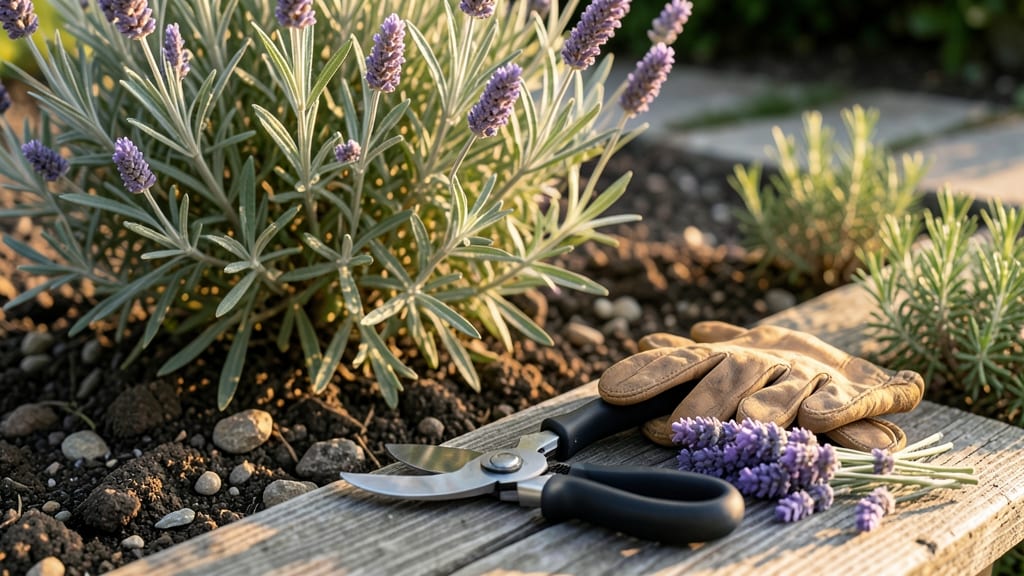
Fall pruning lavender transforms next year’s blooms from sparse to showstopping. ✂️ The key is cutting after flowering but before hard frost—when stems turn brown and growth slows.
I’ve pruned lavender this way for years, and my bushes now burst with dense purple spikes every spring, while neglected plants nearby stay woody and sparse.
You’ll need just three things: sharp bypass pruners, gloves (lavender spikes can be sharp!), and a clear day when the air stays dry. The goal is to remove up to one-third of the oldest stems at the base—never cut into fresh green growth.
This encourages new, bushier stems that bloom better than the old wood. In mild climates, you can prune later; in cold zones, aim for 4-6 weeks before frost.
What you’ll end up with is lavender that looks like it belongs in a French countryside garden—not just a few sparse stems. The pruned plants stay compact, resist winter dieback, and produce 2-3 times more blooms than unpruned ones.
The fragrance? Even more intense because the plant focuses energy on new growth instead of maintaining old wood.
For regions with harsh winters, a light mulch around the base helps protect young stems. And here’s the secret: Never prune lavender in spring—that’s when it’s already pushing new growth, and you’ll cut off next year’s flowers. The fall timing is what makes all the difference.
📚 In This Guide
- What you need
- Instructions
- Tips and common mistakes
- Wrapping up and next steps
What you need
- ● Pruning shears: Bypass pruners (sharp, clean, and 5-7 inch blades) for precise cuts. (1 pair required)
- ● Hand pruners: Small, ergonomic for delicate trimming. (1 pair recommended)
- ○ Loppers: For thicker stems (1-2 inch diameter). (1 pair optional, if needed)
- ● Garden gloves: Heavy-duty, cut-resistant to protect hands from thorns. (1 pair required)
- ● Disinfectant: Rubbing alcohol (70%+) or bleach solution (1:9 ratio) to sterilize tools between cuts. (Small bottle required)
- ● Trash bags or bucket: For collecting pruned stems. (1-2 required, depending on size)
- ○ Sharpie or marker: To label plants if pruning multiple varieties. (1 optional)
- ● Hose or watering can: For rinsing tools and plants post-pruning. (1 required)
- ○ Mulch (optional): Shredded bark or straw to protect roots after pruning. (1-2 bags optional)
- ● Timing: Prune after first hard frost but before heavy rains or snow (typically late fall).
- ● Weather: Choose a dry, overcast day to minimize stress on the plant.
- ● Plant health: Ensure lavender is dormant (no new growth) but still upright.
Step-by-Step guide for pruning lavender in fall
Here’s the method I use to revive my lavender bushes every fall—it’s simple, but timing and technique make all the difference.
🌿 Step 1: Wait Until After First Frost
Prune lavender only after the first hard frost has blackened the foliage but before winter’s deep freeze sets in. This signals the plant has entered dormancy, reducing stress from cuts. I wait until late November in my zone 6 garden—you’ll know it’s ready when the stems feel brittle and the leaves turn brown.
Never prune green growth. Cutting back healthy stems in fall shocks the plant and invites disease. If your lavender still looks fresh, wait another week or two. Patience here ensures next year’s blooms stay strong.
✂️ Step 2: Shape With Clean, Sharp Pruners
Use bypass pruners (not shears) to make clean cuts just above a set of healthy leaves or buds. I avoid cutting into old wood—it won’t regrow. Start by removing any dead or woody stems at the base, then trim back the remaining stems by about one-third of their height.
Shape the plant into a rounded mound, not a flat top. Lavender grows best when air circulates freely, so avoid tight centers. If your bushes are leggy, cut back the oldest stems first—they’ve already bloomed and won’t contribute to next year’s growth.
🌱 Step 3: Remove Up to One-Third of the Oldest Growth
Focus on the oldest, most woody stems—they’re the ones that won’t bounce back. I look for stems that are thicker than a pencil or have no green growth. Cut these back to the base. This opens up the center for new growth and prevents overcrowding.
Don’t overdo it—removing more than one-third stresses the plant. You’ll see fresh green shoots emerge from the base in early spring, signaling the prune worked. If you’re unsure, take a photo first—you can always trim more later if needed.
💧 Step 4: Clean Up and Mulch Lightly
Rake up all the trimmings and dispose of them (never compost lavender clippings—they can harbor pests). Then, apply a 1-inch layer of mulch around the base, keeping it a few inches away from the stems. I use pine needles or straw—they insulate roots while allowing moisture to drain.
Water the base lightly after pruning to help the plant recover. Avoid soaking the soil—lavender hates soggy roots. In my experience, a single deep watering right after pruning is all it needs until spring.
⏰ Step 5: Mark and Monitor for Spring
Label your lavender bushes if you have multiple varieties—it’s easy to forget which is which after pruning. I tie a ribbon around the stems with the variety name. In early spring, watch for new growth at the base—this confirms the plant is ready for fertilizer and more frequent watering.
If you notice yellowing leaves or stunted growth in spring, you may have pruned too aggressively. Lavender is resilient but not indestructible—next time, stick to the one-third rule. With proper fall pruning, your bushes will reward you with fragrant blooms by mid-summer.
Tips & tricks for perfect fall lavender pruning
Timing and technique are everything when it comes to reviving your lavender bushes—here's what I've learned after years of trial and error in my own garden.
Frost Timing: That first hard frost is your cue, but don't wait too long. The stems should be brittle and leaves browned, but before the ground freezes solid. I test by gently bending a stem—if it snaps easily, it's ready. Waiting until late November in my zone 6 garden has given me the best results, but your local frost dates may vary.
Pruner Selection: Bypass pruners are non-negotiable—they make clean cuts that heal properly. I've ruined stems using shears, which crush the plant tissue. Always sterilize your pruners with rubbing alcohol before and after use to prevent disease spread between plants. The cleanest cut means faster healing and stronger new growth.
Visual Pruning Guide: When shaping in Step 2, imagine a rounded dome shape—this allows sunlight and air to reach all parts of the plant. For the one-third reduction in Step 3, hold your pruners at a 45-degree angle and cut just above where you see healthy leaf buds forming. This creates the perfect balance between removing old growth and preserving new growth potential.
Mulch Matters: That 1-inch layer of mulch isn't just decoration—it's insulation. I use pine needles because they're acidic (lavender loves acidic soil) and break down slowly. Keep it 2-3 inches away from the stems to prevent rot. The mulch will protect roots from extreme temperature swings while allowing excess moisture to drain away—critical for lavender's survival.
Pro Tips for Prune Lavender In Fall
- Timing and technique are everything when it comes to reviving your lavender bushes—here's what I've learned after yea...
- Frost Timing: That first hard frost is your cue, but don't wait too long. The stems should be brittle and leaves brow...
- Pruner Selection: Bypass pruners are non-negotiable—they make clean cuts that heal properly. I've ruined stems using ...
Frequently asked questions
When exactly should I prune lavender in the fall?
Prune lavender after the first hard frost (typically late October to early November) but before winter sets in. This timing ensures the plant enters dormancy with clean growth, reducing disease risk. Avoid pruning too early—new growth before frost can be damaged by cold.
How much should I cut back? Is there a rule of thumb?
Aim to trim about 1/3 of the plant’s height, focusing on dead, brown stems and leggy growth. Never cut into old wood (woody stems)—this can kill the plant. For English lavender, leave 3–4 inches of growth; for French/Spanish varieties, trim slightly higher.
What if I miss fall pruning? Can I still prune in spring?
Yes, but lightly! Spring pruning (March–April) should only remove dead wood or shape the plant—never cut more than 10% of the growth. Heavy spring pruning stresses lavender and may reduce blooms. Think of it as a maintenance trim, not a reset.
My lavender looks leggy—did I prune too hard last fall?
Leggy growth often means you cut back too much into old wood or pruned at the wrong time. Next fall, focus on selective pruning: trim only the top 1/3 of new growth, leaving the base intact. Over time, this encourages bushier, healthier stems.
Should I prune lavender if we’ve had a wet fall?
Wet conditions increase fungal risks, so delay pruning until the soil is dry and foliage has time to dry between cuts. If pruning is unavoidable, use sterilized tools and avoid pruning when leaves are damp. Consider a light prune in early winter (Dec–Jan) if fall stays soggy.
Wrapping up and next steps
Pruning lavender in the fall isn’t just about tidying up—it’s your secret to next year’s lush, fragrant blooms! 🌿 By cutting back woody stems and shaping your plants now, you’re giving them a fresh start while protecting them from harsh winters.
Remember, timing, sharp tools, and patience are your best friends.
Ready to transform your garden? Grab those shears and get pruning—your future lavender will thank you with abundant purple perfection! For extra tips, check out our lavender care guide to keep those blooms thriving year-round.