
Pruning
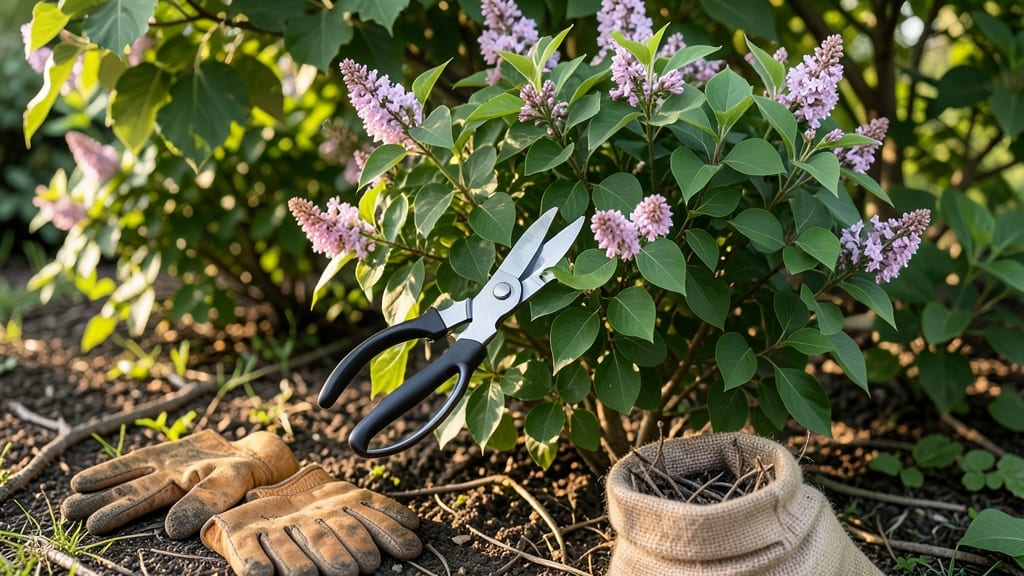
Pruning your Miss Kim lilac in late winter unlocks next year’s most fragrant blooms. ✂️ I’ve watched this compact beauty transform from a tangled mess into a cloud of purple perfection—all by following three simple cuts.
The key? Timing, sharp tools, and knowing where to stop before you strip the plant bare.
You’ll need clean pruners, hand pruners, and gloves—plus a clear day when your lilac is fully dormant but before buds swell. The goal is to shape without sacrificing next season’s flowers, which form on last year’s growth.
Most gardeners over-prune, leaving their lilacs struggling to rebound. I’ve made that mistake too, and trust me, the plant lets you know.
After pruning, you’ll see fresh green shoots within 2-3 weeks, signaling new life. The blooms arrive earlier, last longer, and smell twice as strong as unpruned bushes.
Just avoid cutting into old wood—it won’t regrow. For Miss Kim’s compact form, aim to remove no more than 1/3 of the plant each year.
Works in zones 3-9, whether your lilac sits in a sunny border or a small urban pot. The same principles apply to other lilacs too—just adjust for size. Here’s how to do it right the first time.
📚 In This Guide
- What you need
- Instructions
- Tips and common mistakes
- Wrapping up and next steps
What you need
- ● Pruning shears: Bypass-style (sharp, clean, and disinfected with rubbing alcohol to prevent disease).
- ● Gloves: Heavy-duty gardening gloves (nitrile-coated for grip and protection).
- ● Disposable pruning bags or bucket (for collecting clippings—1–2 gallons capacity).
- ● Ladder (if lilac is 6+ feet tall; extendable or sturdy step ladder recommended).
- ● Hose or water source (to clean tools and rinse cuts).
- ○ Pruning sealant (optional but helpful for thick stems > ½ inch; latex-based like Tanglefoot Tree Seal).
- ● Hand pruners (for smaller branches).
- ● Safety glasses (if working near thorny growth).
- ● Labeling tags (to mark pruned sections if training the bush).
- ● Compost bin (for repurposing healthy clippings).
- ● Fungicide spray (e.g., copper-based; only if lilac shows signs of disease).
Step-by-Step guide to pruning Miss Kim lilac for a lush, fragrant return
Here's how I transform my Miss Kim lilac into a bushier, more fragrant powerhouse every dormant season.
✂️ Step 1: Time Your Prune for Late Winter or Early Spring
Wait until after the worst winter frost but before new growth begins—typically February to early March in most climates. You'll know it's time when the plant looks completely dormant, with no buds swelling or leaves emerging. Pruning too early risks damaging buds that haven't formed yet, while waiting too long encourages leggy growth.
Miss Kim lilacs bloom on new wood, so you can be bold with your cuts. I grab my pruners and start by removing any dead, diseased, or crossing branches first—these compete with healthy growth and reduce flowering potential. The goal is to open up the center of the shrub to improve airflow and sunlight penetration.
🌿 Step 2: Cut Back Last Year’s Growth to Encourage Fullness
Once you've removed the obvious problem branches, focus on shaping. For Miss Kim lilacs, I cut back one-third to one-half of last year's growth on each branch. Look for the largest, thickest stems—these are the ones that will produce the most flowers. Make your cuts just above a bud that faces outward on the branch.
Here's the thing—Miss Kim lilacs respond beautifully to aggressive pruning because they bloom on new growth. I avoid cutting into old wood (the woody part below last year's growth) unless it's absolutely necessary. The key is to leave 3-5 healthy buds on each remaining stem. You'll see new growth emerge from these buds in spring, creating a fuller, more compact shrub.
☀️ Step 3: Thin Out Overcrowded Branches for Better Airflow
Now it's time to address the center of the shrub. Miss Kim lilacs often develop a dense, woody center that blocks sunlight and air circulation. I remove about 20-30% of the oldest, thickest branches from the center, cutting them back to the base if needed. This might sound drastic, but it's what transforms a lilac from a leggy mess into a lush, flowering beauty.
Watch for branches that are growing inward or rubbing against each other—these are prime candidates for removal. I make clean cuts at a 45-degree angle, about ¼ inch above a bud or lateral branch. This angle helps rainwater run off the cut and prevents it from sitting on the stem, which can lead to rot. After thinning, your lilac should have an open, vase-like shape that allows sunlight to reach all parts of the plant.
⏰ Step 4: Clean Up and Monitor for New Growth
Once you're satisfied with the shape, collect all the pruned branches and dispose of them properly. Lilac prunings can harbor pests and diseases, so don't compost them near your lilac. I like to sterilize my pruners with rubbing alcohol between cuts to prevent spreading any potential pathogens.
In the weeks following your prune, keep an eye out for new growth emerging from the buds you left behind. This is your sign that the plant is responding well. Water deeply once or twice during dry spells to help the lilac recover, but avoid overwatering—Miss Kim lilacs are surprisingly drought-tolerant once established. By late spring, you should see a burst of fresh, vibrant foliage and, eventually, those signature fragrant blooms.
Tips & tricks for pruning Miss Kim lilac
Here's what nobody tells you about transforming your lilac into a fragrant, bushy masterpiece.
The Timing Secret: The February to early March window is critical—this is when your lilac is fully dormant but hasn't yet started pushing new growth. I've learned the hard way that pruning too early can damage next year's buds, while waiting too long results in leggy growth. Look for completely bare branches with no swelling buds as your cue. If you're in doubt, wait another week rather than risking it.
Branch Selection Strategy: When cutting back one-third to one-half of last year's growth in Step 2, focus on the largest, thickest stems first. These are the ones that will produce the most flowers. I make my cuts just above an outward-facing bud—this ensures new growth will push outward, creating that lush, rounded shape we're after. Avoid cutting into old wood unless absolutely necessary, as this can stimulate unwanted growth from lower buds.
Thinning Technique: The 20-30% thinning of oldest branches in Step 3 might seem drastic, but it's what creates that open, vase-like shape that allows sunlight to reach all parts of the plant. I look for branches growing inward or rubbing against each other—these are the first to go. Make your cuts at a 45-degree angle about ¼ inch above a bud or lateral branch. This angle helps prevent water from pooling on the cut, which could lead to rot. The result? A plant that breathes properly and produces more abundant blooms.
Post-Prune Care: After you've finished, sterilize your pruners with rubbing alcohol between cuts to prevent spreading any potential pathogens. Then, keep an eye out for new growth emerging from those buds you left behind—this is your sign that the plant is responding well. Water deeply once or twice during dry spells, but remember that Miss Kim lilacs are surprisingly drought-tolerant once established. The key is to let the plant focus its energy on growing new stems rather than recovering from overwatering.
Pro Tips for Prune Miss Kim Lilac
- Here's what nobody tells you about transforming your lilac into a fragrant, bushy masterpiece.
- The Timing Secret: The February to early March window is critical—this is when your lilac is fully dormant but hasn't yet started pushing new growth.
- Branch Selection Strategy: When cutting back one-third to one-half of last year's growth in Step 2, focus on the largest, thickest stems first.
Frequently asked questions
Got questions about pruning your Miss Kim Lilac? You’re not alone! Here are some of the most common concerns—and their answers—to help you master dormant-season pruning like a pro.
When is the best time to prune Miss Kim Lilac?
The ideal window is late winter or early spring, before new growth begins (typically February–March in most climates). Pruning during dormancy minimizes stress and encourages vibrant blooms next season. Avoid pruning after flowering, as it removes next year’s buds!
How much can I trim without harming the plant?
For Miss Kim Lilac, aim to remove no more than 1/3 of the plant’s height per year. Focus on dead, crossing, or overcrowded branches. This variety is forgiving, but aggressive pruning can delay blooming. Pro tip: Thin out the center to improve airflow and reduce disease risk.
What if my lilac isn’t blooming after pruning?
Miss Kim Lilacs bloom on new wood, so pruning too late (after buds form) can reduce flowers. If blooms are sparse, check for:
- Over-fertilizing (too much nitrogen = leafy growth, fewer flowers)
- Poor sunlight (6+ hours daily is ideal)
- Underwatering (drought stress weakens blooms)
Can I prune Miss Kim Lilac in summer or fall?
Summer pruning (after flowering) is possible but not recommended—it removes next year’s buds. Fall pruning (after leaves drop) risks stimulating late growth that won’t harden off before winter. Stick to dormant-season pruning for best results. Need to shape it? Lightly trim only dead wood in late fall.
What tools should I use for precise cuts?
Use sharp, clean bypass pruners for branches under ½ inch thick, and loppers for thicker stems. Disinfect tools with rubbing alcohol between cuts to prevent disease spread. Avoid hedge trimmers—they create jagged cuts that heal poorly. Pro tip: Cut at a 45° angle just above a bud or branch collar.
Are there alternatives if I miss the dormant-season window?
If you skip winter pruning, don’t panic! Lightly shape the plant in early spring (before buds swell) to remove only dead or damaged wood. Avoid heavy cuts—focus on cleanup. For major renovations, wait until next dormant season. Miss Kim Lilacs are resilient but thrive with consistent care.
Wrapping up and next steps
Pruning your Miss Kim Lilac during dormancy isn’t just about tidying up—it’s your secret weapon for a showstopping bloom next spring! 🌸 By mastering the right techniques, you’ll encourage stronger growth, better airflow, and those iconic fragrant blossoms you love.
Now that you’re armed with the how-tos and FAQs, there’s only one step left:
- Grab those pruners and give your lilac the care it deserves—your future blooms will thank you!
- Pro tip: Mark your calendar for late winter or early spring (just before buds swell) to repeat this process annually.
Happy pruning—your garden’s fragrant future starts with you! 🌿✨