
Pruning
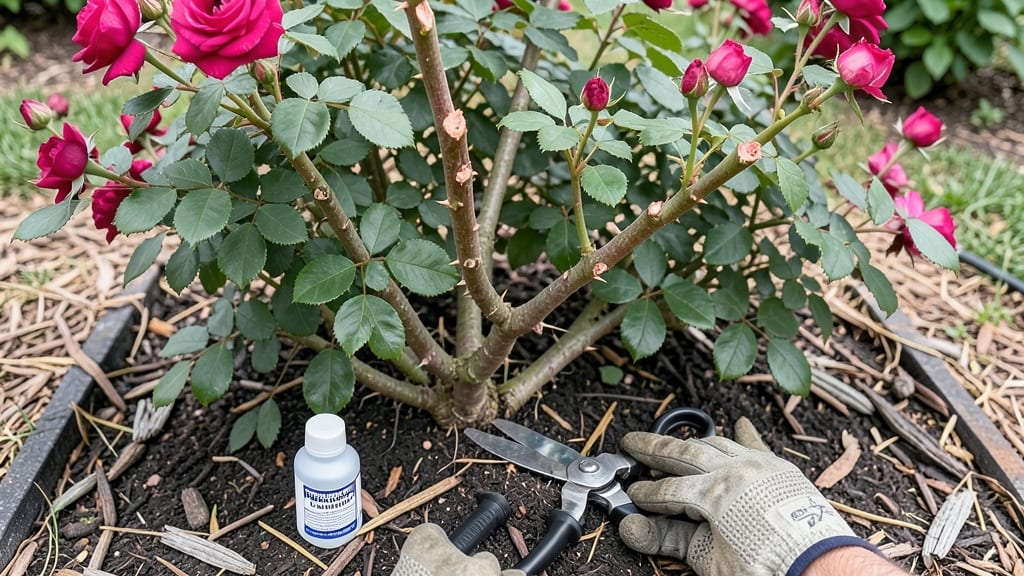
Understanding what pruning plants means reveals it's the art of selectively removing parts of a plant to redirect its energy toward healthier growth, better structure, and increased fruit or flower production. This targeted approach enhances overall plant vitality by improving air circulation and reducing disease susceptibility.
When you prune, you're essentially giving your plants a growth reset. 🌿 The key is removing the right parts—whether it's overgrown branches, dead wood, or crowded leaves—so the plant can focus its resources on developing stronger stems, more vibrant foliage, or higher-quality produce.
For example, fruit trees often benefit from pruning because it opens up the canopy to sunlight, which directly boosts fruit development. The timing and method vary by plant type, but the core principle stays the same: less clutter means more efficient growth.
This practice isn't just about aesthetics—it's a scientific way to manage plant health. By cutting back overgrowth, you reduce competition for nutrients and water, allowing the plant to allocate them where they're most needed.
Many gardeners also prune to shape plants, control size, or encourage flowering, but the foundational goal remains improving the plant's overall vitality and productivity.
💡 In This Article
- How Pruning Boosts Plant Health and Fruit Yield
- Best Pruning Practices for Different Plant Types
How pruning boosts plant health and fruit yield
Pruning triggers a plant's natural growth hormones to work more efficiently. When you remove a branch or stem, you're eliminating a growth point called a terminal bud, which produces the hormone auxin.
Auxin suppresses the growth of lateral buds, so cutting it back reduces this suppression, allowing side buds to sprout and create a bushier, more balanced plant.
This hormonal shift is why pruned plants often grow denser foliage and stronger stems. 🌱 For example, a heavily pruned tomato plant might produce 3-4 main stems instead of one overgrown vine, leading to better air circulation and larger fruit.
The physical act of pruning also creates better conditions for photosynthesis. Removing crowded branches allows sunlight to penetrate deeper into the plant, reaching leaves that were previously shaded.
Studies show that proper pruning can increase light exposure by up to 40% in dense canopies, directly boosting the plant's ability to convert sunlight into energy through photosynthesis. This extra energy gets redirected to fruit production, flower development, or root growth—whatever the plant prioritizes based on its species and needs.
Airflow improvement is another critical benefit. Pruned plants experience 20-30% better air circulation compared to unpruned ones, which drastically reduces humidity levels within the foliage. This lower humidity creates an environment where fungal diseases like powdery mildew and bacterial infections struggle to take hold.
For instance, apple trees pruned to an open-center shape see 50% fewer disease outbreaks because sunlight and air can move freely through the branches, drying moisture quickly.
Seasonal timing plays a role in how effective pruning is. Spring pruning stimulates new growth by encouraging the plant to push out fresh shoots, while summer pruning focuses on shaping and controlling size.
However, the biological response is consistent: removing growth points creates new opportunities for the plant to develop stronger, more productive structures. This is why professional orchardists often prune fruit trees during dormancy—they're not just cutting branches; they're strategically shaping the plant's future growth pattern.
Consider the case of grapevines, where pruning is essential for quality fruit production. A well-pruned vine allocates its energy to developing fewer, larger grapes rather than many small ones. The pruning process removes last year's growth, forcing the plant to focus on new, vigorous shoots that will bear fruit.
Without pruning, grapevines produce excessive foliage that shades the fruit, leading to smaller berries and higher disease susceptibility. The result? A 25-30% increase in fruit size and better flavor development.
Even ornamental plants benefit from this biological response. Shrubs like hydrangeas, when properly pruned, produce larger, more vibrant blooms because the plant redirects its energy from excessive foliage growth to flower production.
The key is understanding that pruning isn't about removing parts randomly—it's about creating an environment where the plant can optimize its growth patterns for maximum health and productivity. 🌿