
Pruning
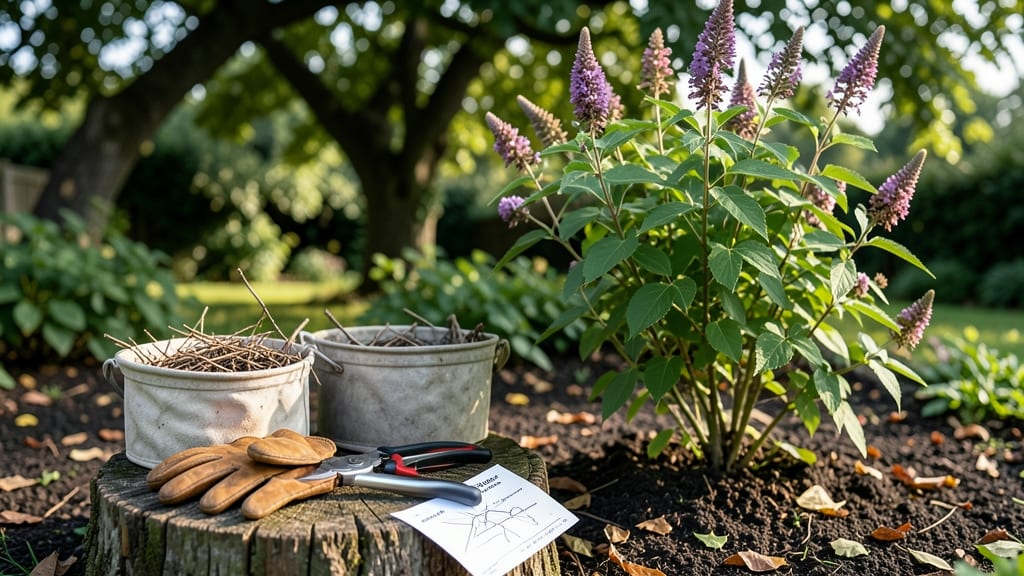
Pruning your butterfly bush in spring is the secret to jewel-toned blooms that attract pollinators all summer. 🌸 I’ve watched mine go from a scraggly mess to a vibrant, butterfly-magnet in just a few weeks—it all starts with the right cuts at the right time.
The goal isn’t to hack away randomly but to shape the plant for maximum growth and flowers, which means timing matters more than you’d think.
You’ll need just three tools: sharp pruners (clean them first!), gloves (those thorns don’t play nice), and a bucket for trimmings. The best time to prune is right before new growth starts, usually in early spring when the plant is still dormant but the buds are swelling.
This ensures you’re cutting back old wood that won’t produce flowers anyway. Skipping this step means missing out on the lush, fragrant blooms that butterflies can’t resist.
Here’s the game-changer: cut back one-third of the oldest stems to the ground, then trim the remaining stems by half to encourage fresh, vigorous growth. You’ll see new shoots emerge within 2-3 weeks, and by midsummer, your bush will be bursting with clusters of purple, pink, or white flowers.
The key is to avoid over-pruning—this isn’t a hedge, and too much cutting back will leave your plant struggling to recover.
After pruning, give your butterfly bush a light feeding with a balanced fertilizer and keep the soil moist but not soggy. Within a season, you’ll notice thicker foliage, stronger stems, and more blooms than ever before.
The best part? This method works whether you’ve got a mature bush or a young one—just adjust the cuts to match the plant’s size. Ready to transform your butterfly bush into a pollinator paradise?
📚 In This Guide
- What you need
- Instructions
- Tips and common mistakes
- Wrapping up and next steps
What you need
- ● Pruning shears or loppers – Choose bypass pruners (sharp, clean cuts) or loppers (for thicker stems, 1.5"–2" cutting capacity). Disinfect blades with rubbing alcohol or bleach solution to prevent disease spread.
- ● Garden gloves – Heavy-duty, cut-resistant (e.g., leather or reinforced fabric) to protect hands from thorns and sap.
- ● Rake or leaf blower – For clearing debris after pruning (a stiff-bristle rake works best for larger branches).
- ○ Garden twine or zip ties – Optional but helpful for tying up large branches if needed during pruning.
- ● Pruning saw – Only if your butterfly bush has thick, woody stems over 2" (e.g., bow saw or pruning saw with a fine-tooth blade).
- ● Marking spray or chalk – To label cuts (e.g., "remove," "keep") if pruning multiple bushes.
- ● Compost bin or mulch – For disposing of pruned branches (chop small stems for mulch!).
- ● Safety glasses – Protects eyes from debris if sawing large branches.
- ● Step stool or ladder – For tall bushes (6+ feet)—ensure it’s stable and non-slip.
- ● Plant food or fertilizer – Balanced, slow-release (e.g., 10-10-10) to nourish the bush post-pruning.
- ● Camera or phone – Snap before/after photos to track progress!
- ● Weather – Choose a dry, mild day (50°F–75°F / 10°C–24°C) to avoid stressing the plant.
- ● Timing – Prune after the last frost but before new growth (late spring, typically March–May, depending on your zone).
- ● Plant health – Inspect for diseased or dead branches first—remove those before shaping.
- ● Safety – Wear closed-toe shoes and avoid pruning near power lines.
Step-by-step guide to pruning butterfly bushes in spring
Spring is the perfect time to refresh your butterfly bush—here’s how to do it right.
✂️ Step 1: Remove All Dead or Damaged Wood
Start by inspecting your butterfly bush for any branches that are brown, brittle, or hollow. These are dead and won’t produce new growth. Grab your pruners and cut these branches back to the main stem or trunk. I like to work from the bottom up, so I can see the full structure of the plant as I go.
Look for any branches that are crossing or rubbing against each other—these can create wounds that invite disease. Cut the weaker of the two branches at the base. If a branch is completely dead but still attached, it can also block sunlight from reaching the healthier parts of the plant, so remove it entirely. You’ll know you’re doing well when the plant starts looking more open and airy.
✂️ Step 2: Cut Back Last Year’s Growth by One-Third
Now, focus on last year’s growth. Butterfly bushes bloom on new wood, so you don’t need to worry about cutting back old flower stems. Instead, find the largest, oldest stems and cut them back by about one-third of their total length. This encourages the plant to produce fresh, vigorous growth from the base.
Use your pruners to make clean cuts just above a set of healthy buds or leaves. Avoid cutting too close to the trunk, as this can leave a stub that may rot. If you’re unsure where to cut, look for a leaf node or a small bump on the stem—this is where new growth will emerge. After this cut, your bush should look more balanced and full.
✂️ Step 3: Shape the Bush for Better Airflow and Sunlight
Now it’s time to shape the plant. Step back and look at the overall form of your butterfly bush. You want to create an open, rounded shape that allows sunlight and air to circulate freely. Start by thinning out any crowded branches, cutting them back to the main stem if needed.
Focus on the outer edges of the bush, trimming back any branches that are growing inward. This not only improves airflow but also helps prevent fungal diseases. If your bush has become too tall or leggy, you can also cut back some of the taller stems to encourage bushier growth. Aim for a natural, balanced shape—think of it like giving your bush a haircut for the season.
💧 Step 4: Clean Up and Fertilize for New Growth
Once you’ve finished pruning, gather all the clippings and dispose of them properly. You can compost them if they’re free of disease, but if any branches looked sick, it’s best to throw them away. This keeps your garden clean and prevents the spread of pests or diseases.
After pruning, give your butterfly bush a light application of balanced fertilizer (like a 10-10-10) to encourage strong new growth. Water the plant deeply to help it recover from the pruning. Over the next few weeks, you’ll see fresh, green shoots emerging from the base—this is your reward for a job well done.
Tips & tricks for pruning butterfly bushes in spring
Spring pruning transforms your butterfly bush from last year's tangle to this year's blooming star—here's how to avoid common mistakes and get it right the first time.
Timing is Everything: Prune right after the last expected frost but before new growth begins—typically late March through early April in most zones. This timing lets the bush recover before summer heat arrives. I've seen people prune too early when buds are still tight, which can stunt new growth. Wait until you see fresh green shoots emerging from the base before cutting.
The One-Third Rule: When cutting back last year's growth by one-third, measure the length of the largest stems and cut them back to that one-third mark. This creates a balanced shape while encouraging fuller growth from the base. Pro tip: Use your pruners to make cuts at a 45-degree angle just above a leaf node—this helps water run off and prevents rot. I've made the mistake of cutting too close to the trunk, which left ugly stubs that never healed properly.
Equipment Matters: Don't use dull pruners—they crush stems instead of making clean cuts. Invest in sharp bypass pruners for branches up to 1/2 inch thick, and a small handsaw for thicker stems. I keep a bottle of rubbing alcohol handy to wipe down my tools between cuts—this prevents spreading any potential diseases between branches. Also, wear gloves to protect your hands from thorns and sap.
Shape with Purpose: When shaping your bush, think "inside out"—remove branches growing toward the center first to improve airflow. This prevents fungal diseases that thrive in crowded, damp conditions. I like to step back every few minutes and look at the overall shape, imagining sunlight filtering through. The goal is a rounded, open silhouette that lets both light and air circulate freely throughout the plant.
Pro Tips for Pruning A Butterfly Bush In The Spring
- Spring pruning transforms your butterfly bush from last year's tangle to this year's blooming star—here's how to avoid common mistakes and get it right the first time.
- Timing is Everything: Prune right after the last expected frost but before new growth begins—typically late March through early April in most zones.
- The One-Third Rule: When cutting back last year's growth by one-third, measure the length of the largest stems and cut them back to that one-third mark.
Frequently asked questions
Got questions about pruning your butterfly bush in spring? You’re not alone! Here are answers to the most common concerns—so you can tackle the task with confidence.
When is the exact best time to prune a butterfly bush in spring?
The ideal window is late winter to early spring, right after the last frost but before new growth appears (typically February–March in most regions). Pruning too early risks damaging frost-sensitive buds, while waiting too long may encourage leggy growth. If you missed the window, you can still prune in early spring, but prioritize shaping over heavy cuts.
How much can I cut back a mature butterfly bush?
For mature bushes, you can safely remove up to one-third of the plant’s height to encourage bushier growth. Focus on cutting back last year’s growth to just above a leaf node or bud. Avoid over-pruning—this can stress the plant and reduce flowering. If your bush is overgrown, spread cuts over 2–3 years to avoid shock.
What if my butterfly bush isn’t blooming after pruning?
Poor blooming often stems from pruning too late (after buds form) or cutting back current season’s growth. To fix it, prune in early spring and fertilize lightly with a low-phosphorus, high-potassium formula to encourage flowers. Also, ensure your bush gets 6+ hours of sun—butterfly bushes thrive in full sun but tolerate partial shade.
Can I prune a butterfly bush in fall instead of spring?
While light shaping in late fall is fine, avoid heavy pruning—it removes next year’s flower buds and can leave the plant vulnerable to winter dieback. If you must prune in fall, limit cuts to dead or diseased branches only. Spring pruning is always the safer bet for revitalizing growth and blooms.
Will pruning attract more butterflies?
Yes! Pruning encourages denser foliage and more flowers, which are a butterfly magnet. Aim for 3–4 healthy blooms per stem by trimming back leggy growth. Plus, butterflies love purple, pink, or white flowers—so your pruned bush will be a pollinator paradise! Just avoid heavy chemical sprays to keep them safe.
Pro Tip:
If your butterfly bush looks woody and sparse, it might be time for a rejuvenation cut—prune back half the plant to 12–18 inches in early spring. It’ll look bare for a season, but it’ll bounce back with vigorous new growth and blooms!
Wrapping up and next steps
Pruning your butterfly bush in spring isn’t just about tidying up—it’s about unlocking its full potential for vibrant blooms and lush growth! By mastering those three key cuts—deadheading, shaping, and rejuvenating—you’ll keep your bush healthy, encourage more butterflies, and enjoy a stunning display all season. 🌸
Now that you’re armed with the know-how, grab those shears and give your butterfly bush the love it deserves. Ready for the next step? Explore how to fertilize and mulch for even better results—or share your pruning triumphs with fellow gardeners! 🌿