
Pruning
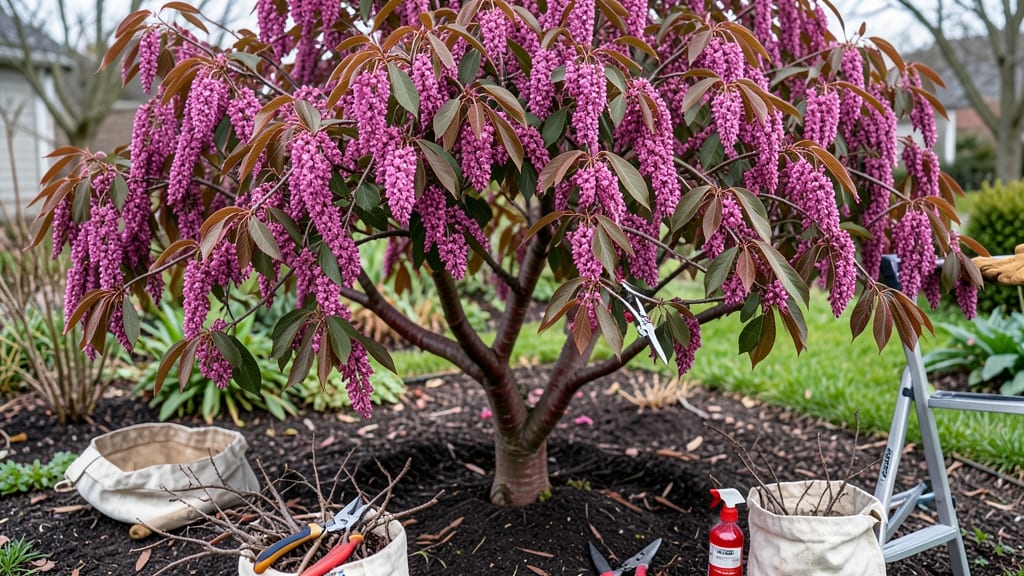
Pruning a weeping cherry isn't just about trimming branches—it's about preserving that graceful, cascading silhouette while keeping the tree healthy and blooming beautifully. ✂️ I learned the hard way that aggressive pruning can turn your elegant tree into a tangled mess, but with the right timing and technique, you'll maintain its natural shape for decades.
The best time to prune is right after flowering in early spring, but light shaping can happen in summer too. You'll need sharp bypass pruners, a sturdy ladder, and—most importantly—a clear vision of where those branches should weep.
The goal is to open up the center while encouraging those graceful, downward-growing branches to flourish. What you'll end up with is a tree that looks like it belongs in a botanical garden, not just your backyard.
The blooms will be more abundant, the branches will grow stronger, and you'll avoid that "overgrown shrub" look that ruins the tree's natural charm. This method works for both young trees and mature specimens—just adjust the intensity. Here's how to do it right without sacrificing that signature weeping form.
📚 In This Guide
- What you need
- Instructions
- Tips and common mistakes
- Wrapping up and next steps
What you need
- ● Pruning shears: Bypass pruners (sharp, 6–8” blades) for small branches (Pro tip: Clean blades with rubbing alcohol after use to prevent disease spread! 💡
- ● Loppers: 1 pair (8–10” blades) for medium branches (½”–2” diameter). Look for ratcheting or bypass types for precision cuts.
- ● Pruning saw: 1 handheld saw (8–10” teeth) for thick branches (>2” diameter). Dull blades tear wood—replace if needed! ⚠️
- ● Gloves: 1 pair of cut-resistant gloves (gardening or heavy-duty) to protect hands from thorns and sap.
- ● Disinfectant: 70% isopropyl alcohol or a tree-pruning sealant (e.g., Tanglefoot Pruning Seal) to sterilize tools between cuts.
- ● Safety gear: Sunglasses (UV protection)
- ● Long sleeves/pants (to avoid sap burns)
- ● Sturdy shoes (non-slip soles for uneven terrain)
- ● Extension pole: For hard-to-reach branches (10–12’ reach). Bonus: Attach a small pruner to the end for convenience! ✨
- ● Tar or pruning paint: (e.g., Tree Seal) to seal large cuts (>½”) and prevent disease entry.
- ● Ladder: Sturdy, 3-sided ladder (rated for your height + tree size). Never stand on the top rung! ⚠️
- ● Trash bags: Heavy-duty bags (10–20 gallon) for collecting pruned branches and debris.
- ● Marking twine or flags: To tag branches for removal (if pruning in stages).
- ● Check the weather forecast: Prune on a dry, overcast day (avoid windy or rainy conditions).
- ● Review your tree’s growth stage: Dormant season (late winter/early spring): Best time for major structural pruning.
- ● After flowering (summer): Light shaping only to avoid cutting off next year’s blooms! 🌸
- ● Gather a bucket of water and a clean cloth to wipe down tools mid-pruning.
How to prune weeping cherry trees for year-round health
Here's the method I've used for years to keep weeping cherries blooming beautifully and growing strong—no guesswork involved.
⏰ Step 1: Prune at the Right Time for Your Goals
Weeping cherries have two main pruning seasons. For spring blooms, prune right after flowering but before new growth starts—usually late April to early May in most zones. This lets the tree set buds for next year's flowers. If you need to shape or remove dead wood in late winter (before buds swell), do it then—but avoid heavy pruning that removes more than 25% of the canopy.
I always check the buds first: if they're still tight and haven't started swelling, it's safe to prune. If they're plump and ready to burst, wait until after they bloom. The tree uses those buds to produce next year's flowers, so timing matters.
✂️ Step 2: Remove Dead, Diseased, or Crossing Branches First
Start by cutting out any branches that are dead, broken, or diseased—these spread problems to healthy wood. Use clean, sharp pruners to make cuts just outside the branch collar (the swollen area where the branch meets the trunk). This prevents unsightly stubs and helps the wound heal faster.
Next, remove branches that cross or rub against each other. These create wounds where pests and diseases can enter. I look for branches growing inward or downward—they'll eventually block light and air flow to the center of the tree. Make your cuts at a 45-degree angle just above a outward-facing bud or branch.
☀️ Step 3: Thin the Canopy for Better Air Circulation
Weeping cherries need good airflow to stay healthy. Thin the outer canopy by removing 10-20% of the smallest, weakest branches starting from the outside. This opens up the tree so sunlight reaches the center and reduces humidity where fungal diseases thrive.
Watch for branches that grow straight up—they block light from reaching the lower branches. Cut these back to a lateral branch or bud that grows outward. You'll see the tree's natural weeping shape emerge as you remove these vertical growers. Never remove more than 25% of the canopy in one season.
🌱 Step 4: Shape the Tree Gradually Over Time
Weeping cherries grow slowly, so shaping takes patience. Focus on maintaining the graceful, cascading form by pruning branches that grow too upright or outward. Cut back to a bud that points in the direction you want new growth to go—usually downward or outward.
I like to step back every few cuts to visualize the shape. The goal is to keep the tree's natural weeping habit while encouraging an even distribution of branches. Avoid heavy pruning in one season—it stresses the tree and can reduce next year's blooms. Small adjustments over several years work best.
💧 Step 5: Clean Up and Protect the Tree After Pruning
After pruning, sterilize your tools with rubbing alcohol to prevent spreading disease. Remove all cut branches and debris from the area—they can harbor pests and fungi. I also apply a thin layer of wound sealant to cuts larger than ½ inch in diameter to protect the tree from infection.
Water the tree deeply after pruning to help it recover. Mulch around the base with 2-3 inches of organic mulch, keeping it away from the trunk. This helps retain moisture and protects roots from temperature swings. The tree will show signs of recovery in 4-6 weeks with new, healthy growth.
Tips & tricks for pruning weeping cherry trees
Keeping your weeping cherry thriving takes a little strategy—here's what I've learned after years of pruning these beauties.
Timing is Everything: The late April to early May window for spring pruning is non-negotiable if you want next year's blooms. I set calendar reminders because that's when buds form for the following season. For winter pruning, check those buds first—if they're still tight, it's safe to prune. If they're plump and ready to burst, wait until after flowering. This simple visual check prevents you from accidentally removing next year's flowers.
The 25% Rule: Never remove more than 25% of the canopy in one season—this includes all your cuts combined. I mark branches with painter's tape before cutting to track how much I've removed. This rule prevents stress that can reduce flowering and weakens the tree's structure. Think of it like a haircut: you wouldn't shave off half your hair in one visit, would you?
Cutting Technique Matters: Always make your cuts just outside the branch collar at a 45-degree angle above an outward-facing bud. I practice on small branches first to get the angle right—it makes all the difference for proper healing. For cuts larger than ½ inch, that wound sealant becomes your best friend. I've seen too many pruning wounds turn into entry points for diseases when left untreated.
Visualize the Shape: Step back every few cuts to see the tree's natural weeping form emerge. I like to imagine the tree as a fountain—water cascading downward creates that graceful shape. Look for vertical growers that block light to the lower branches. These are your targets for shaping cuts. The goal is to maintain that elegant, flowing silhouette while keeping the center open for airflow.
Pro Tips for Pruning A Weeping Cherry
- Keeping your weeping cherry thriving takes a little strategy—here's what I've learned after years of pruning these beauties.
- Timing is Everything: The late April to early May window for spring pruning is non-negotiable if you want next year's blooms.
- The 25% Rule: Never remove more than 25% of the canopy in one season—this includes all your cuts combined.
Frequently asked questions
Got questions about keeping your weeping cherry tree lush and blooming? We’ve got answers! Here are some of the most common concerns—plus expert tips to prune like a pro.
When is the best time to prune a weeping cherry tree?
The ideal window for pruning is late winter or early spring (just before buds swell), but you can also do light shaping in summer after flowering. Avoid heavy pruning in fall—it stresses the tree and invites disease. Pro tip: Never prune when the tree is wet (like after rain) to prevent fungal infections.
How much can I trim without harming the tree?
Weeping cherries are delicate—never remove more than 25% of the canopy in one session. Focus on thinning out crowded branches (especially those rubbing together) and dead or crossing limbs. Over-pruning weakens the tree and reduces next year’s blooms. For dramatic reshaping, spread cuts over 2–3 years.
What should I do if my weeping cherry has brown, crunchy branches after pruning?
This could signal disease (like silver leaf fungus) or environmental stress. If branches are completely brown and dry, they’re likely dead—cut them back to healthy wood. If leaves yellow or wilt, your tree may need fungicide treatment (copper-based sprays work well). Always sterilize tools with rubbing alcohol between cuts to avoid spreading pathogens.
Can I prune a weeping cherry tree in summer?
Yes, but keep it minimal! Light summer pruning (like removing water sprouts or suckers) is fine, but avoid heavy cuts—it stimulates late-season growth that won’t harden off before winter. If you must reshape, do it in early summer (June) and avoid pruning after July.
What’s the difference between pruning for shape vs. pruning for health?
Shape pruning
focuses on aesthetics: trimming to maintain the tree’s graceful weeping form, thinning to improve airflow, and removing branches that block views. Health pruning targets problems: dead wood, disease, or pest-damaged limbs. Do both! Start with health cuts, then shape—always use clean, sharp tools to prevent damage.
Will pruning my weeping cherry reduce next year’s flowers?
Not if done right! Pruning stimulates new growth, which means more buds and flowers—but only if you avoid heavy cuts in late summer/fall. For maximum blooms, prune in late winter and avoid removing flowering spurs (those tiny knobby growths on branches). Patience pays off—healthy trees bloom even more abundantly over time!
Wrapping up and next steps
Pruning your weeping cherry tree is all about patience, timing, and precision—but the rewards are worth it! 🌸 With the right tools, techniques, and a little seasonal care, you’ll keep your tree thriving, blooming beautifully, and maintaining its graceful, cascading shape for years to come.
Whether you’re a beginner or a seasoned gardener, every trim brings you closer to a stunning, healthy centerpiece for your landscape.
Ready to take the next step? Start small—pick one season to focus on first, and gradually build your confidence. And remember: consistency is key! Once you’ve mastered the basics, explore advanced pruning tips or even grafting to customize your tree further. Happy pruning! ✂️🌿