
Pruning
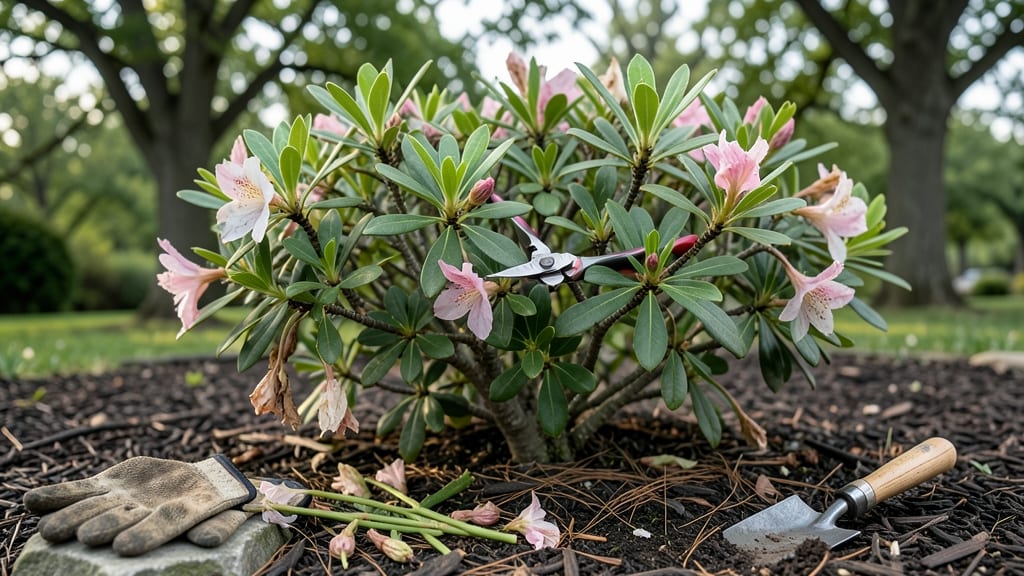
Summer pruning azaleas isn’t just trimming—it’s a game-changer for next year’s blooms. ✂️ I’ve watched my azaleas go from sparse, leggy bushes to bursting with vibrant flowers after mastering the right cuts. The key? Timing, technique, and knowing what to avoid—like pruning too late or too aggressively.
Most gardeners make one big mistake: waiting until after the flowers fade. That’s too late. The ideal window is right after blooming but before August heat sets in. You’ll shape the plant for stronger growth while keeping next season’s buds safe.
Just 10-15 minutes with the right tools makes all the difference. What you’ll end up with is a bush that’s denser, healthier, and packed with buds for spring. The foliage stays lush, the branches grow stronger, and you avoid the stress of last-minute pruning that can shock the plant.
It’s not about drastic cuts—it’s about strategic trims that encourage the right kind of growth. Works for both spring-blooming and fall-blooming varieties, but the timing shifts slightly. Let’s get those shears ready—your azaleas will thank you next spring!
📚 In This Guide
- What you need
- Instructions
- Tips and common mistakes
- Wrapping up and next steps
What you need
- ● Bypass pruners: A sharp, clean pair (5-inch to 7-inch blades) for precise cuts on smaller stems. Pro tip: 💡 Test sharpness by cutting a piece of paper—if it tears, your blades need honing!
- ● Loppers: For thicker branches (up to 2 inches in diameter). Look for bypass-style loppers to avoid crushing stems.
- ○ Hand pruners (optional): For delicate trimming of new growth or small branches (3-inch to 4-inch blades).
- ● Garden gloves: Heavy-duty, cut-resistant gloves (e.g., Mechanix or Felco brand) to protect your hands from thorns and sharp tools.
- ● Disinfectant (70% isopropyl alcohol or bleach solution): Clean tools between cuts to prevent the spread of disease.
- ● Safety goggles: Protect your eyes from debris, especially when pruning dense or overgrown azaleas.
- ● Long sleeves/pants: Wear lightweight, breathable clothing to shield against scratches and sun exposure.
- ● Trash bags or bucket: Collect pruned branches for composting or disposal (1–2 gallon-sized bags or a 5-gallon bucket).
- ● Hose or water spray bottle: Keep tools and cuts moist to reduce stress on the plant (especially in hot summer conditions).
- ● Pruning saw: For thick, woody stems (if your azalea has any older growth). Choose a curved blade for better control.
- ● Ladder or step stool: If your azalea is tall (4–6 feet), a stable, non-slip ladder is a game-changer. Safety first!
- ● Plant food or fertilizer: A balanced, slow-release fertilizer (e.g., 10-10-10) to nourish your azalea post-pruning. Apply 4–6 weeks after trimming.
- ● Notebook & pen: Jot down notes on which branches you pruned and why—helpful for tracking growth patterns!
Step-by-step guide to pruning azaleas in summer
Here's how to give your azaleas a summer haircut that boosts next year's flowers.
✂️ Step 1: Time Your Pruning Precisely
Wait until after blooming but before July 4th to prune—this gives flowers time to set buds for next spring. Azaleas bloom on old wood, so cutting too early removes next year's flower buds. Look for spent blooms that have turned brown and fallen naturally; that's your cue.
If you missed the window, don't panic. Light shaping (just removing dead or crossing branches) is better than aggressive pruning later in summer. The goal is to encourage new growth without stressing the plant when heat stress peaks.
✂️ Step 2: Gather the Right Tools
Use sharp, clean pruning shears (not scissors or hedge trimmers) to make clean cuts without tearing the bark. Disinfect your tools with 70% isopropyl alcohol between cuts to prevent spreading disease. I always carry a small spray bottle of the alcohol in my gardening tool belt for quick cleanups.
Wear gloves—azalea leaves can be prickly, and the sap sometimes causes skin irritation. Grab a small bucket to collect trimmings, and have a hand lens ready to inspect branch collars for signs of pests or disease before you start cutting.
✂️ Step 3: Remove Dead, Diseased, or Crossing Branches First
Start by eliminating dead wood (branches that snap when bent) and diseased stems (look for blackened spots or fungal growth). Cut back to the branch collar—the swollen area where the branch meets the trunk—never leave a stub. This prevents decay from creeping into the main stem.
Next, remove crossing branches that rub against each other. These create wounds where pathogens can enter. Make your cuts at a 45-degree angle just outside the branch collar. You'll see new, healthier growth emerge from the sides where you've opened up the center.
✂️ Step 4: Thin Out the Center for Better Airflow
Azaleas hate crowded centers where humidity lingers. Reach into the middle and selectively remove 10-20% of the oldest, thickest branches to let light and air circulate. Focus on branches growing inward—these are the ones blocking sunlight from reaching the interior leaves.
Step back frequently to visualize the plant's shape. You're not trying to create a perfect geometric form—just open it up so sunlight can reach all the leaves. A well-pruned azalea has a vase-like shape with branches spreading outward rather than inward.
✂️ Step 5: Shape the Outer Edges Lightly
For the final touch, lightly trim the outer edges to encourage bushier growth. Never cut back more than one-third of any branch in a single season—this stresses the plant. Make your cuts just above a leaf bud or side branch to promote new growth in the right direction.
Resist the urge to shear azaleas like hedges. Their natural, flowing shape is part of their charm. After pruning, give the plant a deep watering to help it recover. You'll see fresh, vibrant new growth in just a few weeks—that's your reward for a job well done.
Tips & tricks for perfect azalea pruning in summer
Summer pruning transforms your azaleas from last year's blooms into next season's showstoppers—here's how to do it right.
Timing Secret: The "after blooming but before July 4th" window exists for a reason—it's when azaleas begin forming flower buds for next spring. If you prune too early, you're snipping off those future blooms before they even appear. I learned this the hard way after accidentally pruning my favorite azalea in late spring and getting only half the flowers the following year.
Tool Technique: Never use hedge trimmers on azaleas—they tear bark and create jagged wounds that invite disease. Instead, invest in a good pair of bypass pruners (the kind that cut with scissor-like blades). For thicker branches, use loppers, but always make clean cuts at the branch collar. I keep a small bottle of 70% isopropyl alcohol in my tool belt to disinfect between cuts—it takes just seconds and prevents spreading fungal spores.
Visual Pruning Guide: When thinning the center in Step 4, imagine you're creating a "vase shape" rather than a ball. Hold your pruners at a 45-degree angle just outside the branch collar, and look for branches growing inward that block sunlight. These are the ones to remove. Step back every few minutes to check your progress—what looks crowded up close often opens up beautifully from a distance.
Recovery Strategy: After pruning, give your azaleas a deep watering that saturates the root zone. The stress of cutting stimulates new growth, and proper hydration helps the plant recover faster. I water mine until the soil is moist about 6 inches down, then mulch lightly around the base to retain moisture. You'll notice fresh, vibrant growth appearing within 2-3 weeks if everything went right.
Pro Tips for Pruning Azaleas In Summer
- Summer pruning transforms your azaleas from last year's blooms into next season's showstoppers—here's how to do it right.
- Timing Secret: The "after blooming but before July 4th" window exists for a reason—it's when azaleas begin forming flower buds for next spring.
- Tool Technique: Never use hedge trimmers on azaleas—they tear bark and create jagged wounds that invite disease.
Frequently asked questions
Got questions about summer azalea pruning? You’re not alone! Here are some of the most common concerns—and straightforward answers—to help you trim with confidence.
Can I prune azaleas in summer without hurting them?
Yes! Light pruning in late summer (after blooming) is safe and even beneficial. Avoid heavy cuts—stick to shaping, deadheading spent blooms, and removing up to one-third of the plant’s growth. Just skip extreme pruning, as it stresses the plant before winter.
What’s the best time of summer to prune azaleas?
The ideal window is late July to early August, after flowers fade but before fall. This gives your azaleas time to recover before cold weather. Early summer pruning may encourage new growth that won’t harden off before frost.
Do I need special tools to prune azaleas in summer?
Not necessarily! Sharp, clean bypass pruners (for small branches) or loppers (for thicker stems) work best. Disinfect tools with rubbing alcohol to prevent disease. Avoid hedge trimmers—they can tear leaves and damage the plant’s delicate structure.
Will pruning azaleas in summer affect next year’s flowers?
Done correctly, summer pruning boosts next year’s blooms by improving airflow and removing weak growth. Focus on open-center shaping to encourage strong buds. Over-pruning now? You might see fewer flowers—but healthy trims now = more vibrant blooms later!
What if my azaleas look sad after summer pruning?
Don’t panic! Light wilting or leaf drop can happen, but it’s usually temporary. Ensure your azaleas stay well-watered and mulched (2–3 inches of organic mulch). If yellowing persists, check for pests or nutrient deficiencies—summer pruning can sometimes reveal underlying issues.
Wrapping up and next steps
Pruning your azaleas in summer isn’t just about shaping—it’s an investment in next year’s stunning blooms! By following the right techniques, you’ll encourage stronger growth, better airflow, and a healthier plant. Don’t let hesitation hold you back—grab those shears and give your azaleas the care they deserve! 🌸✂️
Next step: Mark your calendar for late summer (August-September) and take action before the growing season winds down. Your future floral displays will thank you!