
Pruning
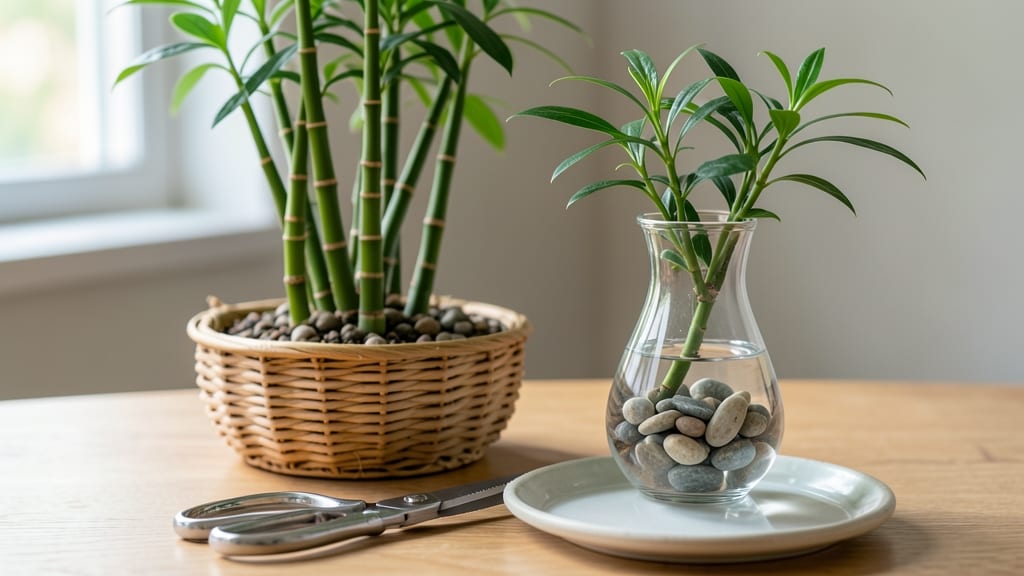
Pruning bamboo plants keeps them from taking over your yard—and turns them into lush, manageable privacy screens. 🌿 I’ve wrestled with running bamboo that spread like a weed, but the right cuts transform it into a controlled, bushier beauty. The secret?
Timing, technique, and knowing whether your bamboo is clumping or running. Start with the right tools: sharp pruners for clean cuts, gloves for grip, and a saw for thicker stems.
Clumping bamboo needs less aggressive pruning—just trim back overgrowth in early spring, while running bamboo demands yearly containment with buried barriers and heavy pruning. Cut at a 45-degree angle just above a node to encourage new growth.
You’ll see thicker stems and fuller foliage within weeks, plus a plant that stays where you want it. The key is consistency—don’t wait until bamboo’s out of control. A little effort now saves hours of cleanup later.
Works for both ornamental and edible bamboo, and adapts to containers for small spaces. Let’s get those canes under control!
📚 In This Guide
- What you need
- Instructions
- Tips and common mistakes
- Wrapping up and next steps
What you need
- ● Pruning shears or loppers: Sharp, high-quality shears (bypass type) for clean cuts on smaller stems. Loppers (16–24 inches) for thicker canes (3+ inches in diameter). Quantity: 1–2 pairs.
- ● Pruning saw: A blank">bow saw or blank">pruning saw for cutting through thick, woody bamboo canes. Specs: 12–18 inches, with fine teeth for clean cuts. Quantity: 1.
- ● Gloves: Heavy-duty, cut-resistant gloves (e.g., leather or Kevlar) to protect hands from sharp edges and thorns (if dealing with Bambusa species). Quantity: 1 pair.
- ● Disinfectant: 70% isopropyl alcohol or a blank">horticultural spray to sterilize tools between cuts and prevent disease spread. Quantity: Small spray bottle.
- ● Rope or twine: For securing or marking canes that need removal. Quantity: 1–2 rolls (10–20 feet).
- ○ Wheelbarrow or tarp: To haul away cuttings and debris. Optional: A blank">compost bin if repurposing clippings.
- ● Safety goggles: Protect your eyes from flying debris, especially when using a saw.
- ● Knee pads: For comfort if you’re working with large clumps or on uneven ground.
- ● Measuring tape: To track cane height or spacing for precise pruning.
- ● Root barrier material: If you’re also blank">containment-pruning to prevent spread (e.g., blank">HDPE plastic sheets).
- ● Plant food or fertilizer: Post-pruning boost for the plant (e.g., blank">balanced 10-10-10 or bamboo-specific fertilizer).
Step-by-step guide to pruning bamboo plants
Here's how I keep bamboo under control year-round—without sacrificing its beauty.
✂️ Step 1: Identify the Right Time for Pruning
For most bamboo varieties, late winter or early spring is ideal—just as new shoots begin to push through the soil. This is when the plant is dormant but about to wake up, making it less stressful for recovery. If you're dealing with running bamboo (like Phyllostachys), you can also prune in late summer to control aggressive spread before it gets out of hand.
Watch for new growth emerging from the base—these are your cues. Avoid pruning during extreme heat or cold, as the plant needs time to heal. I always prune on a mild, overcast day to reduce stress on the plant.
✂️ Step 2: Gather the Right Tools and Safety Gear
You'll need a sharp pruning saw for thick stems and clean, sharp pruners for thinner canes. Gloves are a must—bamboo can be razor-sharp, especially when dry. I also wear long sleeves to protect against scratches. Disinfect your tools with rubbing alcohol before and after pruning to prevent disease spread between cuts.
Have a bucket or tarp ready to collect debris—bamboo leaves and stems can be heavy and bulky. If you're pruning running bamboo, lay down a tarp first to make cleanup easier. This is especially important if you're pruning near walkways or driveways.
✂️ Step 3: Prune Dead or Damaged Canes First
Start by removing any dead, diseased, or broken canes—these are easy to spot because they're hollow, discolored, or have no leaves. Cut them back to the ground at the base. For healthy but damaged canes, trim them back to the nearest healthy node (the small bump where leaves grow). This encourages new growth from a stronger part of the plant.
If you're unsure whether a cane is dead, scratch the outer layer with your fingernail. If it's green underneath, it's still alive. If it's brown or hollow, it's time to remove it. Never leave dead canes on the plant—they can harbor pests and diseases.
✂️ Step 4: Thin Out Overcrowded Areas
Bamboo grows in clumps, and over time, canes can become too dense. To thin, focus on the oldest canes—these are usually the thickest and least productive. Remove every third or fourth cane in a cluster, cutting them at the base. This improves airflow and light penetration, which keeps the remaining canes healthier and stronger.
I like to step back and look at the plant from all angles before pruning. If one side looks too dense, that's where I'll focus my thinning. You'll know you've done enough when you can see light and air moving through the center of the plant. Avoid removing more than 30% of the canes at once—this can stress the plant too much.
✂️ Step 5: Shape and Control Growth
For clumping bamboo, you can trim canes to encourage a fuller shape. Cut back the tips of the tallest canes by about one-third to promote bushier growth. For running bamboo, use a spade to sever rhizomes (underground stems) at least 12 inches deep to contain spread. This is best done in early spring before new growth starts.
If you're pruning for privacy screens or hedges, trim the outer canes to create a neat edge. Use a string line as a guide to keep your cuts even. After pruning, water the base of the plant deeply to help it recover. You'll notice new shoots emerging within 2-4 weeks—this is a sign your pruning was successful.
⏰ Step 6: Clean Up and Monitor
Rake up all debris and dispose of it properly—never leave pruned bamboo on the ground, as it can regrow. If you're composting, chop the larger stems into smaller pieces first. After pruning, keep an eye on the plant for new growth and any signs of stress, like yellowing leaves or wilted canes.
In the weeks following pruning, water the bamboo deeply once a week unless you're in a rainy climate. Avoid fertilizing immediately after pruning—wait until new growth appears. This gives the plant time to recover before putting extra energy into producing leaves and stems.
Tips & tricks for pruning bamboo plants
Here’s what nobody tells you about keeping your bamboo looking its best—without turning your garden into a jungle.
Timing is Everything: Late winter or early spring is your sweet spot for most bamboo varieties, but running types like Phyllostachys can handle late summer pruning too. The key is to catch those first signs of new growth—when shoots start poking through the soil. If you wait too long, you’ll be fighting a full-blown bamboo takeover. I’ve learned this the hard way after skipping a season and ending up with canes so thick I couldn’t see my own driveway!
Tool Prep Saves the Day: Your pruning saw and shears need to be sharper than a chef’s knife—dull tools crush canes instead of cutting cleanly, causing unnecessary stress on the plant. I disinfect my tools with rubbing alcohol before and after each use, and I always wear gloves. Trust me, those bamboo edges are sharper than they look, and you don’t want to end up with a scratched-up arm mid-prune.
The 30% Rule: When thinning overcrowded areas, never remove more than one-third of the canes at once. This might seem counterintuitive—after all, why not just clear everything?—but bamboo is resilient, and sudden drastic cuts can shock the plant. I step back and visually scan for dense spots, focusing on the thickest, oldest canes first. It’s like giving your bamboo a spa day: gentle but effective.
Post-Prune Recovery: After shaping or controlling growth, water deeply once a week for the next few weeks—unless you’re in a monsoon climate. I avoid fertilizing right away because the plant needs time to heal before putting energy into new leaves. You’ll see proof it worked in 2-4 weeks when those fresh green shoots start popping up like they’re in a race.
Pro Tips for Pruning Bamboo Plant
- Here’s what nobody tells you about keeping your bamboo looking its best—without turning your garden into a jungle.
- Timing is Everything: Late winter or early spring is your sweet spot for most bamboo varieties, but running types like Phyllostachys can handle late summer pruning too.
- Tool Prep Saves the Day: Your pruning saw and shears need to be sharper than a chef’s knife—dull tools crush canes instead of cutting cleanly, causing unnecessary stress on the plant.
Frequently asked questions
Got questions about pruning bamboo? You’re not alone—this fast-growing plant can be tricky! Here are answers to the most common concerns to help you prune like a pro.
When is the best time to prune bamboo?
The ideal time is late winter or early spring (just before new growth starts). For running bamboo, prune in fall or winter to prevent aggressive spreading. Clumping bamboo can be trimmed anytime, but avoid heavy pruning in summer to reduce stress. Always prune before the growing season peaks!
How do I stop bamboo from spreading uncontrollably?
For running bamboo, install a root barrier (at least 2–3 feet deep) before planting. If it’s already spreading, dig up rhizomes outside the barrier or use a trench barrier (burying a metal or plastic sheet). For clumping bamboo, remove stray shoots at the base—never let them root!
Can I prune bamboo in summer? What are the risks?
Light pruning (like removing dead fronds) is fine in summer, but avoid heavy cuts—it stresses the plant and can invite pests or diseases. If you must prune, do it early morning on overcast days to reduce water loss. Water thoroughly before and after to help recovery.
Do I need special tools to prune bamboo?
You’ll need:
- Pruning shears (for small shoots and fronds)
- Loppers or a handsaw (for thick stems or large clumps)
- Gloves (bamboo can be sharp!)
- Disinfectant (rubbing alcohol or bleach solution to clean tools between cuts)
A shovel or spade helps for digging up invasive rhizomes. No power tools needed!
What if my bamboo looks sad after pruning?
Don’t panic! Yellowing leaves or slow regrowth are normal. Ensure your bamboo gets:
- Consistent water (but avoid soggy soil)
- Partial shade (most varieties hate direct sun)
- Well-draining soil (amend with compost if needed)
If it’s still struggling after 4–6 weeks, check for pests (like bamboo borers) or root rot. A light balanced fertilizer can help revive it!
Wrapping up and next steps
Pruning bamboo isn’t just about keeping your plants in check—it’s about harnessing their natural energy for healthier, more manageable growth. Whether you’re tackling clumping or running varieties, the right techniques and timing make all the difference.
Now that you’re armed with the how-tos, tools, and tips, there’s no better moment to roll up your sleeves and give your bamboo the care it deserves!
Ready to take action? Pick a sunny day, gather your supplies, and start with just one section—progress builds confidence! 🌱✨