
Pruning
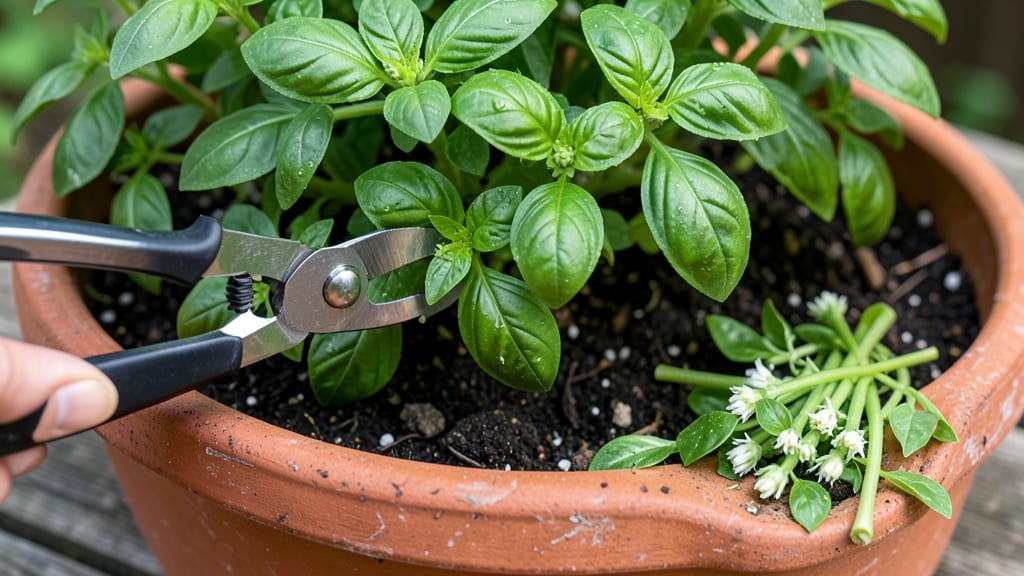
Pruning basil to make it bushy is the secret to transforming those sad, leggy plants into lush, productive green bushes. I used to grow leggy basil until I learned this trick—now my plants look like little green bushes instead of skinny stalks. The key is timing: start when your plant has four to six true leaves, and you'll trigger bushier growth before it even flowers.
You only need two things: sharp scissors or clean fingers, and about 10 minutes. Pinch off the top set of leaves just above a leaf node (where leaves meet the stem), and repeat every 2-3 weeks.
This forces energy into side shoots, creating a fuller, more productive plant. The first harvest from pruned plants is always the best—thick stems packed with flavorful leaves.
What you get is a basil plant that keeps producing for months instead of bolting after one harvest. The leaves stay tender, the stems stay sturdy, and you'll have enough for pesto, salads, and cooking without buying a single pot from the store.
Plus, those pinched stems? Perfect for compost or quick-flavored stir-fries.
Works for both container-grown basil and in-ground plants. Just avoid pruning when flowers appear—the plant will focus on seeds instead of leaves. Regular pinching keeps your basil looking like a professional grower's, not a sad grocery store buy.
📚 In This Guide
- What you need
- Instructions
- Tips and common mistakes
- Wrapping up and next steps
What you need
- ● Basil plant: A healthy, established basil plant (indoor or outdoor) with at least 4–6 true leaves (avoid seedlings!).
- ● Clean, sharp pruning shears or scissors: 1 pair (sterilized with rubbing alcohol to prevent disease). Avoid dull tools—they crush stems!
- ○ Gloves (optional but recommended): 1 pair (to protect hands from sap and thorns on some varieties like Genovese basil).
- ● Watering can or spray bottle: 1 (for post-pruning hydration).
- ● Compost bin or potting soil: (to recycle pruned stems or repurpose them).
- ● Rooting hormone: (speeds up propagation if you’re growing new plants from cuttings).
- ● Small pots or containers: 2–3 (4–6 inches wide) for propagating cuttings.
- ● Plant marker or labels: (to track basil varieties if you’re experimenting!).
- ● Hairspray or diluted honey solution: (spray lightly on cuttings to encourage root growth).
Step-by-Step instructions for pruning basil to make it bushy
Here’s the simple method I’ve used for years to grow basil plants that stay thick, leafy, and productive.
Identify the Right Time to Prune
Wait until your basil plant has at least 6-8 inches of growth and 4-6 true leaves—these are the small, mature leaves that appear after the initial seed leaves. You’ll recognize the right moment when the plant looks leggy or when you see new growth forming at the base. Pruning too early stunts development, while waiting too long lets the plant become woody and less productive.
Check the stems for new leaves forming near the bottom. This is your cue that the plant is ready to be encouraged to branch out. I always prune in the morning when the plant is hydrated and the day is ahead for recovery.
Pinch Back the Top Set of Leaves
Use clean, sharp scissors or fingers to pinch off the top set of leaves just above a pair of leaves where new growth is emerging. This is called the growth node, a small bump where leaves and stems branch out. You’ll be cutting off the top 1-2 inches of the main stem, but don’t worry—this triggers the plant to send out new branches.
If you’re unsure where to pinch, look for the lowest set of leaves that are fully formed. Snip just above that pair—this ensures the plant will grow bushier from the base rather than continuing to stretch upward. Avoid cutting into the woody stem; focus on the tender growth near the leaves.
Encourage Side Branches to Develop
After pinching, water the plant deeply to help it recover. Within 7-10 days, you’ll notice new side shoots forming at the nodes where you made the cut. These shoots will eventually grow into sturdy branches, creating a fuller, bushier plant. Keep an eye out for small leaves unfurling along the sides—this is your signal that the pruning worked.
If the plant doesn’t produce new growth within 2 weeks, it might need more light or water. Basil thrives in 6+ hours of sunlight daily, so if your plant is stretching toward the window, move it closer to a brighter spot. Avoid overwatering, though—soggy soil can cause the plant to wilt or develop root rot.
Continue Pruning Regularly for Ongoing Growth
Once your basil has bushy out, keep it that way by pinching back the tips of new branches whenever they grow 4-6 inches tall. This ongoing pruning encourages even more branching and prevents the plant from flowering too soon. Flowering means the basil will start to taste bitter, so snip off any buds you see forming.
Harvest leaves regularly from the outer stems to encourage more growth. Always cut just above a leaf node to promote new shoots. With consistent pruning, your basil plant will stay compact, leafy, and productive for weeks—sometimes even months—longer than if you left it unpruned.
Maintain Healthy Growth Through the Season
As your basil grows, keep an eye out for yellowing leaves, which can signal overwatering, underwatering, or nutrient deficiencies. If you see this, adjust your watering schedule—basil likes soil that’s moist but not soggy. A quick fix is to add a balanced, water-soluble fertilizer to the soil every 4-6 weeks to keep the plant thriving.
In late summer, basil often slows down as temperatures rise. If this happens, move your plant to a cooler, shadier spot and reduce watering slightly. With proper care, your bushy basil will reward you with a steady supply of fresh leaves all season long.
Tips & tricks for pruning basil to make it bushy
Here's what nobody tells you about keeping your basil thriving after the initial pinch.
Timing is Everything: Morning is the absolute best time to prune your basil—between 8 and 10 AM. The plant's natural hydration from overnight watering makes the stems more pliable, and the full day ahead gives it time to recover before nightfall. I've learned this the hard way after seeing plants wilt from afternoon pruning when they couldn't recover properly.
The Technique That Changed Everything: When pinching those top leaves in Step 2, make sure you're cutting at a 45-degree angle just above a growth node. This angled cut prevents water from pooling on the stem, which can lead to rot. I also recommend using clean scissors or your fingers—never dirty tools, as they can introduce bacteria that weakens the plant.
Rescue Strategy: If your basil isn't responding within the 2-week window mentioned in Step 3, don't panic. First check the soil moisture—it should be damp but not soggy. Then move the plant to a sunnier spot. I've had plants that needed to be moved from a north-facing window to a south-facing one before they finally started branching out again.
Maintenance Secret: Don't just pinch—harvest! Regularly harvesting leaves from the outer stems (as mentioned in Step 4) actually encourages more growth. The plant interprets this as a signal to produce more leaves to replace what you're taking. I harvest about once a week, and my plants stay bushy and productive for months.
Pro Tips for Pruning Basil To Make It Bushy
- Here's what nobody tells you about keeping your basil thriving after the initial pinch.
- Timing is Everything: Morning is the absolute best time to prune your basil—between 8 and 10 AM.
- The Technique That Changed Everything: When pinching those top leaves in Step 2, make sure you're cutting at a 45-degree angle just above a growth node.
Frequently asked questions
Got questions about pruning basil to keep it lush and bushy?
You’re not alone! Here are some of the most common queries—plus quick answers to help you grow the perfect herb garden.
How often should I prune basil to keep it bushy?
Prune basil every 2–4 weeks during the growing season (spring to fall). Focus on pinching back the tips when the plant reaches 6 inches tall, then continue trimming as it grows. This encourages branching and prevents legginess. Avoid over-pruning—just remove one-third of the plant at a time.
When is the best time of day to prune basil?
Prune in the morning for best results. The plant has had time to hydrate overnight, and the cuts will heal faster before the heat of the day. Avoid pruning in the evening, as damp leaves can attract pests or fungal diseases.
What if my basil turns yellow after pruning?
Yellowing leaves after pruning usually mean overwatering or nutrient deficiency. Let the soil dry slightly between waterings, and fertilize with a balanced, water-soluble fertilizer (like 10-10-10) every 4–6 weeks. If the yellowing persists, check for root rot or pests.
Can I use pruned basil stems for anything else?
Don’t waste those cuttings—root them in water or soil to grow new plants! You can also chop the stems into pesto, infuse them in oil, or add them to soups and sauces. Just avoid woody stems (they’re tough to regrow).
Should I prune basil before winter?
Yes! If you’re growing basil outdoors in a cold climate, prune it back heavily in late fall to encourage new growth in spring. For potted basil, move it indoors before frost and reduce watering. In mild climates, let it go dormant naturally—it’ll bounce back in warmer weather.
Wrapping up and next steps
Mastering the art of pruning basil doesn’t just yield a bushier, more vibrant plant—it unlocks a bountiful harvest of flavorful leaves for your favorite dishes! 🌿 With just a few strategic pinches and regular care, your basil will thrive, rewarding you with lush growth and endless culinary possibilities.
Now that you’re equipped with the know-how, roll up your sleeves and give your basil the love it deserves—your next fresh pesto or caprese salad is waiting!
Ready to take it further? Experiment with different pruning techniques or explore companion planting to maximize your herb garden’s potential!