
Pruning
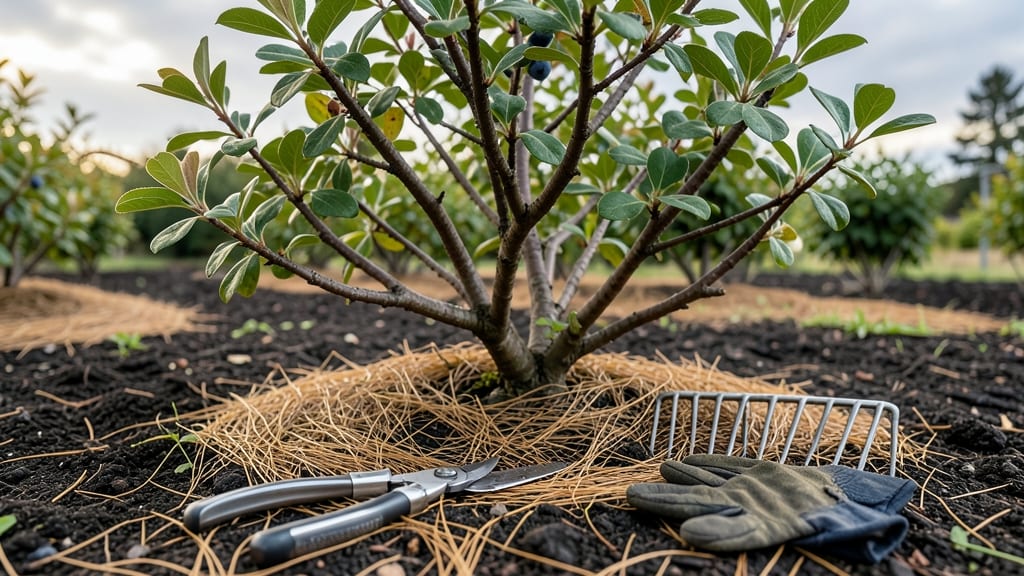
Pruning blueberries in late winter transforms your bushes from scraggly to bursting with potential—and it’s the secret to doubling next year’s harvest. 🌿 I learned this the hard way after my first winter prune left me with sparse berries, but now my bushes produce so heavily my neighbors ask for cuttings.
The key is timing: wait until after the worst cold snaps but before buds swell, usually February or March in most climates.
You’ll need just three tools: sharp pruning shears, loppers for thicker branches, and a bucket for clippings. The goal is to open up the center of the bush—blueberries need airflow to prevent disease and pests.
Cut back last year’s growth to 12-18 inches from the ground, removing any dead, crossing, or weak branches first. Think of it like giving your bushes a haircut that lets light reach the center.
After pruning, your bushes will look stark, but within weeks, new growth will shoot up like green fireworks. The open structure means more sunlight hits the fruit, leading to bigger, sweeter berries.
Just avoid over-pruning—never remove more than one-third of the plant at once. I once trimmed too aggressively and spent a summer watching my bushes recover instead of produce.
For Zone 4-7 gardeners, this method works year after year, but in warmer climates, prune in early spring when buds are still dormant. The real reward?
A harvest so abundant you’ll forget how much work went into those few winter cuts. Here’s how to do it right the first time.
📚 In This Guide
- What you need
- Instructions
- Tips and common mistakes
- Wrapping up and next steps
What you need
- ● Pruning shears: Bypass pruners (sharp, clean, and disinfected with rubbing alcohol). Quantity: 1 pair (or 2 if you have a large bush).
- ● Loppers: For thicker branches (1–2 inches in diameter). Specs: 8–12-inch blades, ratcheting or bypass type.
- ● Hand saw: For stubborn, woody stems. Specs: 8–10-inch curved blade (avoid folding saws—they dull fast!).
- ● Gloves: Heavy-duty, cut-resistant (e.g., Mechanix or garden-specific). Bonus: Waterproof if your climate is damp.
- ● Disinfectant: 70% isopropyl alcohol or a 10% bleach solution (1 part bleach to 9 parts water) to sterilize tools between cuts.
- ○ Bucket or bag: For collecting pruned branches (optional: a compost bin if you plan to reuse clippings).
- ● Timing: Prune after the last hard frost but before buds swell (typically late winter to early spring, depending on your zone).
- ● Weather: Choose a dry, calm day (humidity can spread disease).
- ○ Safety gear: Optional but recommended: Safety glasses (for debris) and long sleeves/pants (to avoid scratches).
- ● Blueberry bush health check: Inspect for diseased or dead wood (prune those first to prevent spread).
Instructions for pruning blueberries in late winter
Here’s how to refresh your bushes and set up a bountiful harvest—without cutting too soon.
🌿 Step 1: Identify and Remove Dead, Diseased, or Weak Wood
Start by scanning your blueberry bushes for branches that are dead, broken, or diseased. These will be gray, brittle, or covered in black spots. Grab a pair of clean, sharp pruners and cut these out completely at the base. I always make this my first move—it clears out the clutter and lets me see the bush’s structure more clearly.
Don’t worry about being too aggressive here. Blueberries are tough and will bounce back. If you’re unsure whether a branch is dead, scratch the bark with your fingernail. If it’s green underneath, it’s still alive. If it’s brown and dry, it’s gone.
✂️ Step 2: Prune Out Last Year’s Fruitwood
Next, look for last year’s fruiting wood—these are the 1-year-old canes that produced berries this season. They’re usually thinner than the current year’s growth and will have small, light-colored buds along them. Cut these back completely at the base. This might seem drastic, but it’s essential for encouraging new, vigorous growth.
I like to do this step after removing the dead wood because it helps me visualize which canes are old and which are new. If you’re unsure, just remember: thin = old, thick = new. Prune the thin ones first.
☀️ Step 3: Thin Out Overcrowded Branches
Now, focus on the bush’s overall shape. Blueberries thrive when they have good airflow, so your goal is to create an open, vase-like structure. Look for branches that are rubbing against each other or growing inward. These should be pruned out entirely to prevent disease and encourage stronger outward growth.
If you have more than 6-8 main branches on a mature bush, thin out the weakest ones. You want to keep the strongest, most vigorous branches—the ones that are thick and upright. Cut these back to the base, and resist the urge to leave stubs. Clean cuts heal faster and look better.
⏰ Step 4: Lightly Prune for Shape and Airflow
Finally, give your bush a light trim to refine its shape. Cut back any branches that are growing too close together or crossing over others. You can also shorten the tips of the remaining branches by about 1/3 to encourage bushier growth. This is where you’ll see the most difference in how your bush looks next season.
Step back and take a look. Your blueberry bush should now have an open center with branches spaced evenly apart. This isn’t just about looks—it’s about giving your plant the best chance to produce fruit and stay healthy. Avoid pruning more than 25% of the bush in any given year, or you’ll stress the plant.
🌱 Step 5: Clean Up and Apply Mulch
Once you’re done pruning, gather up all the clippings and dispose of them in the trash—not the compost pile. Blueberry prunings can harbor diseases that might reinfect your plant. After cleaning up, spread a 2-3 inch layer of mulch around the base of the bush, keeping it a few inches away from the stem.
This helps retain moisture, regulate soil temperature, and keep weeds at bay. I like to use pine needles or wood chips because they’re acidic, which matches the soil preferences of blueberries. Water the bush deeply after pruning to help it recover and settle into its new shape.
Tips & tricks for pruning blueberries in late winter
Late-winter pruning is your secret weapon for a blueberry bush that bursts with fruit next season. Here's what nobody tells you about getting it right the first time.
Timing is Everything: Don't prune too early! Wait until late winter when the bush is still dormant but just before new growth begins. This timing prevents stressing the plant and gives it time to heal before spring. I aim for late February to early March in most climates—just check for those tiny green buds starting to swell. If you see them, it's time to prune!
Tool Prep Matters: Clean your pruners with rubbing alcohol before and after pruning to prevent spreading disease. I also sharpen my blades regularly—dull tools crush branches instead of making clean cuts. A good pair of bypass pruners works best for blueberries. Remember, clean cuts heal faster and look better than jagged ones that can tear the bark.
Visual Cues for Healthy Growth: When pruning in Step 4, look for branches with red or green buds—they're this year's fruitwood and should be kept. The buds on last year's wood will be smaller and lighter in color. I like to make my cuts just above a bud that's facing outward from the center of the bush. This encourages growth away from the center, creating that perfect open vase shape we want.
Mulch Like a Pro: After pruning, spread that 2-3 inch layer of mulch, but keep it 2-3 inches away from the stem. This prevents moisture from pooling against the bark, which can cause rot. I use pine needles because they're naturally acidic and help maintain the soil pH blueberries love. Water deeply after mulching to help the bush settle into its new shape.
Pro Tips for Pruning Blueberries For Winter
- Late-winter pruning is your secret weapon for a blueberry bush that bursts with fruit next season.
- Timing is Everything: Don't prune too early!
- Tool Prep Matters: Clean your pruners with rubbing alcohol before and after pruning to prevent spreading disease.
Frequently asked questions
Got questions about pruning blueberries for winter? You’re not alone! Here are answers to the most common queries to help you prep like a pro.
When is the absolute latest I can prune blueberries before winter?
Prune blueberries in late winter (just before buds swell, ideally in February or early March) for best results. Avoid pruning in fall or after buds break in spring—this stresses the plant and invites pests. If you missed late winter, wait until early spring, but don’t delay past bud swell!
What if I live in a cold climate? Should I prune differently?
Cold climates don’t change the timing (still late winter), but focus on removing dead, diseased, or weak wood first. In harsh zones, avoid heavy pruning—stick to shaping and thinning to reduce wind damage. Mulch heavily afterward to protect roots. Hardy varieties (like ‘Patriot’ or ‘Bluecrop’) handle winter pruning better.
Can I use hedge trimmers or shears instead of loppers?
For small bushes (under 3 feet), hedge trimmers work for light shaping, but never use them for thick branches—you’ll damage the plant. Loppers or pruning saws are ideal for branches thicker than a pencil. For larger bushes, invest in bypass pruners for clean cuts. Always sterilize tools with rubbing alcohol to prevent disease spread!
Will pruning now reduce my blueberry harvest this year?
Nope! Pruning in late winter boosts next year’s harvest by improving airflow and sunlight. This year’s crop is already set (from last summer’s flowers), but removing old wood redirects energy to new growth. Think of it like giving your bush a spa day—it’ll thank you with bigger, juicier berries in 2025!
What should I do if my blueberry bush looks sad after pruning?
Don’t panic! A “sad” look is normal post-prune. Focus on:
- Watering deeply (1–2 inches per week).
- Adding compost around the base (but not touching the stem).
- Monitoring for pests (like spider mites)—pruning can stress plants, making them vulnerable.
Wrapping up and next steps
Pruning blueberries in late winter is your secret weapon for a bountiful harvest—and it’s easier than you think! 🌱 By removing dead wood, thinning crowded canes, and shaping your bushes, you’re not just tidying up; you’re investing in next year’s fruit.
With the right tools and a little patience, your bushes will thrive, and you’ll enjoy juicier, sweeter berries in just a few months.
Ready to take action? Grab your pruners, mark your calendar for late winter, and give your blueberries the care they deserve. Your future harvest—and your taste buds—will thank you! 🍇✨