
Pruning
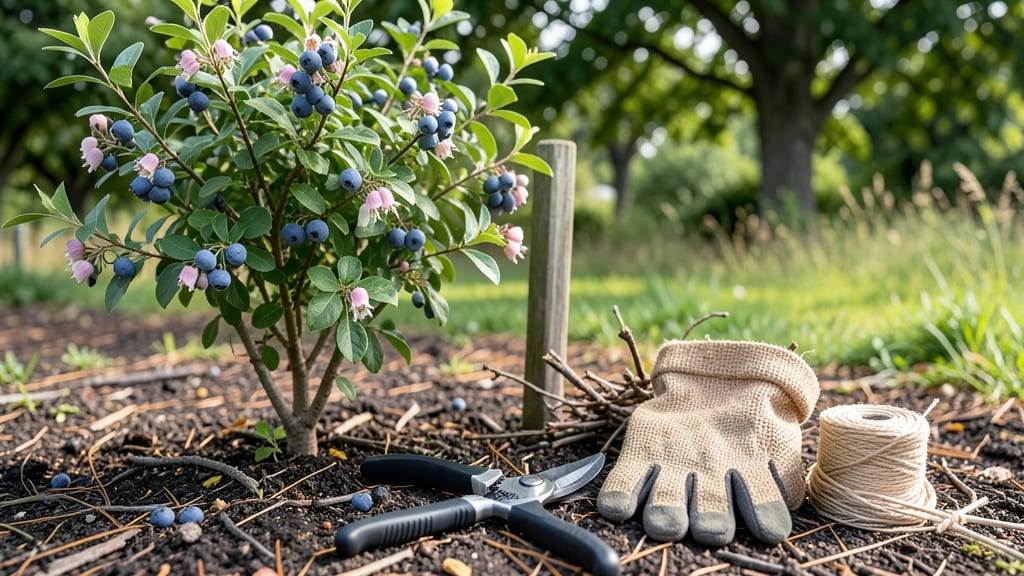
Pruning blueberry shrubs transforms those scraggly bushes into productive powerhouses. 🌿 I’ve watched my own plants go from sparse berries to buckets of plump fruit—all because of a few strategic cuts at the right time.
The key isn’t just when you prune, but how: removing old wood, thinning crowded canes, and encouraging new growth where it matters most.
You’ll need sharp pruners, a pair of gloves, and about 30 minutes to tackle a mature shrub. The best time to prune is late winter or early spring, just before new growth starts, but light shaping can happen year-round.
Avoid cutting into last year’s growth too early—you’ll sacrifice potential fruit. Think of it like giving your plant a haircut: shorter layers for younger canes, longer ones for established ones.
After pruning, you’ll notice thicker, more vibrant canes and a surge in fruit production within a season. The berries themselves become larger and sweeter, and the plant resists diseases better because airflow improves. It’s not just about more berries—it’s about healthier, easier-to-care-for shrubs that reward you every summer.
Works for both wild and cultivated varieties, whether you’re dealing with a single bush or a full row. The same principles apply whether you’re rejuvenating an old plant or maintaining a young one. Let’s get those canes in shape!
📚 In This Guide
- What you need
- Instructions
- Tips and common mistakes
- Wrapping up and next steps
What you need
- ● Pruning shears – Bypass pruners (sharp, clean, and 4-6 inch blades) for cutting small canes (up to ½ inch thick). 1 pair is all you need!
- ● Loppers – Bypass or anvil type (for thicker canes, up to 1.5 inches in diameter). 1 pair for larger branches.
- ● Pruning saw – Hand saw with a fine-tooth blade (for very thick canes—rare in blueberries but handy for stubborn growth). 1 saw for emergencies.
- ● Disinfectant – Rubbing alcohol (70%+), bleach solution (1 part bleach to 9 parts water), or store-bought pruning spray. Small spray bottle or cloth for quick clean-ups.
- ● Gloves – Garden gloves with grip (to protect from thorns and sap). 1 pair in medium or large size.
- ● Garden twine or tags – For marking canes to prune later (if you’re really organized!).
- ● Compost bin or bag – To collect pruned canes for mulch or disposal.
- ● Ladder or step stool – If your shrubs are taller than 5 feet (safety first!).
- ● Sharpener or honing stone – To keep your tools razor-sharp between pruning sessions.
- ● Check the blueberry variety and its pruning timeline (e.g., late winter for dormant shrubs).
- ● Know your shrub’s age and size—young plants need gentler pruning!
- ● Have a clear day (no rain or frost) for pruning to avoid spreading disease.
Step-by-step instructions for pruning blueberry shrubs
Here's how I prune my blueberries to boost fruit production and keep plants vigorous—no guesswork, just clear steps.
✂️ Step 1: Identify and Remove Dead or Diseased Canes
Start in late winter or early spring before buds swell. Look for canes that are completely brown, shriveled, or hollow—these won’t produce fruit and may harbor pests. I use sharp pruning shears to cut these canes back to the ground. The key is to remove them entirely; leaving any part behind can spread disease to healthy canes.
If you spot canes with blackened patches or strange growths, snip those off immediately. Healthy canes should be firm to the touch with a smooth, consistent texture. You’ll know you’re doing it right when your pruners come away clean after each cut—no sticky sap or strange discoloration.
✂️ Step 2: Prune Out Weak or Crossing Branches
Next, focus on the remaining canes. Remove any that are thin, weak, or growing inward toward the center of the bush. These compete with stronger canes for sunlight and nutrients, reducing your harvest. I like to step back and visualize the plant’s shape—aim for an open, vase-like form that allows light to penetrate all the way to the center.
When branches cross, make clean cuts at the base of the weaker branch where it meets the stronger one. Never leave stubs; this prevents water from pooling and encourages new growth in the right places. You’ll notice the plant’s structure opens up immediately—this is your first sign of better airflow and fruit production.
✂️ Step 3: Thin Out Older Canes to Promote New Growth
Blueberries produce their best fruit on new wood, so every 3-5 years, remove about one-third of the oldest canes at ground level. These canes are typically thicker and have fewer leaves. I mark them by looking for the largest, most woody stems—they’re usually the ones that produced fruit last year but won’t this season.
This step might feel drastic, but it’s essential. Without thinning, your bush becomes overcrowded, and fruit quality declines. After cutting, you’ll see fresh green growth emerging from the base within a few weeks—that’s your plant’s way of telling you it’s ready for a bigger harvest next year.
✂️ Step 4: Shape the Bush for Optimal Sunlight and Airflow
Now, focus on shaping the remaining canes. Remove any suckers growing from the roots or below the graft union (if your bush is grafted). These divert energy away from fruit production. I also trim back any canes that are growing too close together, leaving about 6-12 inches of space between them for airflow.
Step back and check for gaps where sunlight might struggle to reach. The goal is to create a bush with a mix of vertical and horizontal canes—this ensures even fruit ripening. You’ll know you’ve got it right when you can see light filtering through the center of the plant on a sunny day.
⏰ Step 5: Time Your Summer Pruning for Maintenance
After the main harvest, do a light pruning to remove any dead or diseased canes that appeared during the season. Also, trim back any canes that grew too long or produced poor-quality fruit. I avoid heavy pruning in summer, but a little maintenance keeps the plant tidy and reduces pest problems.
Watch for new growth at the tips of canes—this is where next year’s fruit will form. If you see any canes growing excessively tall or leggy, you can pinch back the tips to encourage bushier growth. This is your plant’s way of preparing for another productive season, and it’s a great time to observe its natural growth patterns.
Tips & tricks for pruning blueberry shrubs
A little strategic pruning transforms your blueberry bushes into fruit-producing powerhouses. Here's how to avoid common pitfalls and maximize your harvest.
Tool Selection: Invest in sharp, high-quality pruning shears designed for woody plants—they make clean cuts that heal faster. I've found that bypass pruners with a 6-8 inch blade length work best for blueberries. Dull blades crush stems, inviting disease and slowing recovery. Always clean your tools with rubbing alcohol between cuts to prevent cross-contamination of any potential pathogens.
Seasonal Timing: The late winter/early spring timing in Step 1 is critical because it allows fresh growth to harden off before summer heat. I've learned the hard way that pruning too early can expose tender new growth to frost damage. Look for the first signs of bud swell—the ideal window is just before buds begin to open. This timing gives your plant 6-8 weeks to recover before summer stress begins.
Visual Pruning Cues: When shaping in Step 4, visualize your bush as a vase—wider at the bottom, narrower at the top. The 6-12 inch spacing between canes creates that perfect airflow. I use a simple trick: step back every few cuts and squint at the bush. You should see light filtering through the center like sunlight through a stained glass window. This visual check ensures you're not overcrowding the center where airflow is most critical.
Post-Pruning Care: After completing all pruning steps, give your bushes a thorough watering to help them recover. I've noticed that plants pruned in dry conditions show slower regrowth. Apply a 2-3 inch layer of organic mulch around the base (but not touching the stems) to retain moisture and suppress weeds. This simple step can make the difference between a struggling plant and one that bounces back with vigorous new growth.
Pro Tips for Pruning Blueberry Shrubs
- A little strategic pruning transforms your blueberry bushes into fruit-producing powerhouses.
- Tool Selection: Invest in sharp, high-quality pruning shears designed for woody plants—they make clean cuts that heal faster.
- Seasonal Timing: The late winter/early spring timing in Step 1 is critical because it allows fresh growth to harden off before summer heat.
Frequently asked questions
Got questions about pruning blueberry shrubs? You’re not alone—this task can feel tricky, especially for beginners! Below, we’ve answered the most common questions to help you prune like a pro and keep your bushes thriving.
When is the best time to prune blueberry shrubs?
Prune blueberries in late winter or early spring (before buds swell) for best results. This timing removes dead wood, improves airflow, and encourages strong new growth. Avoid pruning in fall—it can leave cuts vulnerable to frost damage and disease.
How do I know which branches to cut?
Focus on these key cuts:
- Dead or diseased canes: Remove any blackened, mushy, or cracked branches at the base.
- Old wood (older than 5 years): Thin out 25% of the oldest canes to rejuvenate the bush.
- Crossing or rubbing branches: Cut these to prevent injury and improve sunlight penetration.
- Weak or spindly growth: Trim these back to encourage stronger, fruit-bearing canes.
What if I missed the winter pruning window? Can I prune later?
Yes! You can prune blueberries in early summer (after harvest) to remove dead wood or overcrowded branches. Avoid heavy pruning—just focus on light maintenance. Pro tip: Prune on a dry day to reduce disease risk.
Will pruning reduce my blueberry harvest?
Not if done correctly! Pruning actually boosts yields by redirecting energy to healthier canes. However, avoid over-pruning—never remove more than 25% of the bush in one season. Younger bushes need minimal pruning (just deadwood removal).
How do I prevent disease after pruning?
Follow these steps to keep your blueberries healthy:
- Use clean, sharp tools (sterilize with rubbing alcohol or bleach).
- Make cuts at a 45-degree angle just above a bud or branch collar.
- Avoid pruning when the foliage is wet (high humidity spreads fungus).
- Remove all pruned branches from the area to prevent pest buildup.
Bonus Tip:
Label your pruned canes with stakes or flags if you’re unsure which are old vs. new. This helps track growth patterns and makes future pruning easier!
Wrapping up and next steps
Pruning your blueberry shrubs might seem like a daunting task, but with the right knowledge and tools, you’ll be well on your way to bountiful harvests and thriving canes! 🌱 By following seasonal guidelines—whether it’s removing dead wood, thinning crowded branches, or shaping for airflow—you’re giving your bushes the best chance to flourish. Remember, consistency is key!
Now that you’re armed with the know-how, roll up your sleeves and get pruning. Start with just one shrub to build confidence, and soon, you’ll be a blueberry-pruning pro. Happy gardening—and here’s to next year’s juicy, plump berries! 🫐