
Pruning
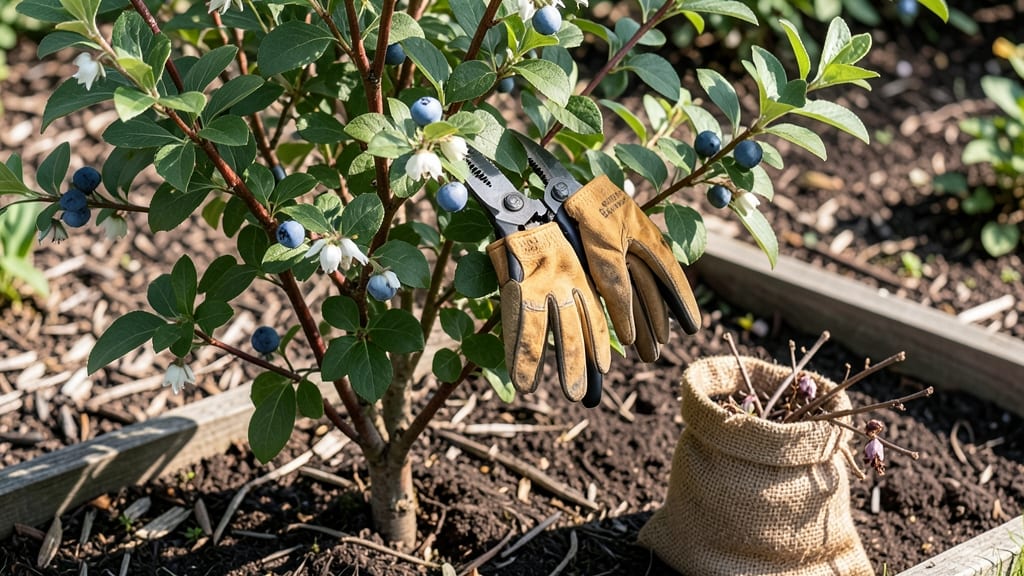
Pruning blueberry trees isn't just about shaping—it's the secret to doubling your harvest every year. 🌿 I've spent years perfecting my technique, and the results speak for themselves: thicker canes, more berries, and plants that stay healthy for decades.
The key is timing, tools, and understanding how each variety responds differently.
You'll need sharp pruners, gloves, and a clear day to work—blueberries hate wet wood. Highbush types get their main prune in late winter, while rabbiteye varieties respond better to summer shaping.
The goal is to remove old wood (over 5 years) and thin crowded branches to let sunlight reach the center. I've seen gardeners skip this step and end up with sparse, shaded canes that produce half as many berries.
By summer, you'll notice new growth where you pruned, and those canes will bear fruit next season. The plants become more productive with each careful cut, and you'll avoid the common mistake of over-pruning, which stresses the tree.
Even experienced gardeners make this error—so take your time and step back often to visualize the shape.
This method works for both backyard bushes and commercial plantings, adapting to your climate and variety. Whether you're dealing with highbush, rabbiteye, or lowbush types, the principles stay the same—just adjust the timing slightly. Let's get those canes looking like a pro's work.
📚 In This Guide
- What you need
- Instructions
- Tips and common mistakes
- Wrapping up and next steps
What you need
- ● Pruning shears: Bypass pruners (for cuts under ½ inch) – 1 pair (look for sharp, stainless-steel blades).
- ● Loppers: For thicker branches (½ to 1½ inches) – 1 pair (with long handles for reach).
- ● Pruning saw: For branches over 1½ inches – 1 saw (with a fine-toothed blade for clean cuts).
- ● Disinfectant: 70% isopropyl alcohol or a pruning sealant (to prevent disease spread) – small bottle.
- ● Gloves: Heavy-duty gardening gloves (to protect hands from thorns and debris) – 1 pair.
- ○ Safety glasses: (Optional but recommended) – 1 pair.
- ● Ladder or step stool: For tall trees (ensure stability!) – 1 unit.
- ● Trash bags or bucket: For collecting pruned branches – 2-3 bags.
- ● Marking twine or flags: To tag branches for future reference (e.g., waterproof labels).
- ● Hand sanitizer: For post-pruning cleanliness.
- ● Tree wound paint: (Controversial—skip if your region discourages it!)
- ● Notebook & pen: To jot down pruning notes (e.g., branch locations, growth patterns).
Step-by-step instructions for pruning blueberry trees
Here's the method I swear by to keep your bushes healthy and productive year after year.
✂️ Step 1: Prune in Late Winter or Early Spring
Blueberries need their pruning done when the tree is still dormant but before buds begin to swell. This is typically February through March in most climates, but watch for first signs of bud break—that's your signal to stop. I like to prune on a dry day when temperatures are above 40°F to avoid stressing the plant.
Start by removing any dead, diseased, or crossing branches first. These are easy to spot—they're brown, brittle, or growing inward where they'll rub against other branches. Cut these back to the main stem or to a healthy outward-facing bud. This ensures air and light can reach the center of the bush, which prevents fungal issues.
✂️ Step 2: Thin Out Overcrowded Branches
Blueberry bushes naturally grow dense, and too many branches competing for energy means smaller berries. Look for branches that are growing straight up or inward—these are the ones to thin. Aim to leave 6-8 main branches on mature bushes, spaced evenly around the plant. This creates an open center that lets sunlight reach the fruit.
When you cut, make clean slices just above a bud that faces outward. Never leave stubs—these can trap moisture and invite rot. If a branch is thicker than your thumb, you might need to make two cuts: first, cut about 6 inches out from the main stem, then remove the remaining branch. This prevents the bark from tearing.
✂️ Step 3: Shape the Bush for Better Airflow
Blueberries thrive when they get plenty of airflow, which reduces humidity and keeps diseases like botrytis at bay. Step back and look at the overall shape of your bush. You want it to resemble a vase—wider at the top than the bottom. This encourages new growth at the base where the fruit forms.
Trim back any branches that are growing too long or leggy. These are often the oldest canes and produce smaller berries. Cut them back by about one-third to encourage new, vigorous growth. For younger bushes, focus on removing any branches that are growing from the base—these are called "suckers" and should be cut off at the ground level.
🌱 Step 4: Light Summer Pruning for Fruit Production
After the initial winter pruning, give your blueberries a quick check in late June or early July. This is when you'll see which branches produced fruit this year—they'll have small berries or dried-up remnants. These branches are done for the season and can be cut back to the base. This opens up space for next year's fruit-bearing canes.
Also, look for any new growth that's shading the center of the bush. Trim these back by about half to maintain the open center. Avoid heavy pruning in summer, though—it stresses the plant and can reduce next year's harvest. Think of this as a light touch-up rather than a major overhaul.
⏰ Step 5: Clean Up and Protect for Next Year
Once you're done pruning, gather all the clippings and dispose of them properly. Don't compost them—blueberry diseases can linger in the debris. Bag them and put them in the trash or burn them if possible. This prevents next year's infestation.
After pruning, give your blueberry bush a good drink of water to help it recover. Mulch around the base with 2-3 inches of organic mulch (like wood chips or straw) to retain moisture and regulate soil temperature. This also keeps weeds down, which compete with your blueberries for nutrients. Now, just sit back and watch your bush reward you with bigger, sweeter berries next season.
Tips & tricks for pruning blueberry trees
These simple tricks will help you prune like a pro and keep your blueberry bushes thriving for years.
Timing is Everything: The February through March window for pruning is non-negotiable for dormant-season pruning. I've learned this the hard way—pruning too early can expose the plant to cold damage, while waiting too long risks stressing the bush when buds begin to swell. If you miss this window, the next best time is right after harvest, but you'll only do light maintenance then. Watch for those first signs of bud break—your cue to stop pruning immediately.
Tool Technique: Use sharp, clean pruning shears to make precise cuts. I've found that dull blades crush the bark, creating wounds that invite disease. Always cut just above an outward-facing bud at a 45-degree angle—this directs new growth outward and away from the center. For thicker branches (thicker than your thumb), make two cuts: first about 6 inches out, then remove the remaining branch to prevent bark tearing. This two-step method also reduces the risk of tearing, which can harm the plant.
Visual Pruning Guide: Step back and look at your bush from all sides before you start cutting. You want that classic vase shape—wider at the top than the bottom. This isn't just for looks; it's about sunlight penetration. The center should be open enough for air to circulate, which prevents fungal diseases like botrytis. I like to imagine drawing an invisible cone around the bush—any branches growing outside that cone are fair game for trimming. For mature bushes, aim to keep just 6-8 main branches evenly spaced.
Seasonal Maintenance: Don't forget about that light summer pruning in late June or early July. This is when you remove last year's fruit-bearing canes—look for branches with small berries or dried remnants. Cut these back to the base to make room for next year's growth. Also, trim any new growth shading the center by about half. Think of this as your mid-season tune-up rather than a major overhaul. The goal is to keep your bush healthy without stressing it before next year's harvest.
Pro Tips for Pruning Blueberry Trees
- These simple tricks will help you prune like a pro and keep your blueberry bushes thriving for years.
- Timing is Everything: The February through March window for pruning is non-negotiable for dormant-season pruning.
- Tool Technique: Use sharp, clean pruning shears to make precise cuts.
Frequently asked questions
Got questions about pruning blueberry trees? You’re not alone!
Here are answers to the most common concerns—from timing to tools—to help you grow healthier bushes and juicier berries.
When is the best time to prune blueberry bushes?
Prune blueberry trees in late winter or early spring (before buds swell) for northern climates, or summer after harvest in warmer zones. Avoid pruning in fall—it can leave cuts vulnerable to disease. Pro tip: If you missed the window, light pruning in summer is better than nothing!
How much should I cut back my blueberry bushes?
Remove 10-30% of the oldest wood annually to encourage new growth. For established bushes, trim dead, diseased, or crossing branches first, then thin out interior stems to improve airflow. Never remove more than ⅓ of the plant at once! Over-pruning stresses the bush and reduces fruit.
Can I prune blueberry trees in summer?
Yes, but lightly! Summer pruning helps control size and shape, but avoid heavy cuts after June—it can reduce next year’s crop. Focus on removing only suckers (shoots at the base) or water sprouts (tall, weak stems). Water thoroughly after pruning to reduce stress.
What if my blueberry tree isn’t producing fruit?
Check these first:
- Age: Young bushes (under 3 years) need time to establish roots.
- Pruning mistakes: Over-pruning or cutting back too hard removes flower buds.
- Pollination: Most blueberries are self-pollinating, but bees help! Plant a second variety nearby if needed.
- Soil/pH: Test soil—blueberries thrive in acidic soil (pH 4.5–5.5). Add sulfur or peat moss if needed.
Do I need special tools to prune blueberry trees?
Basic tools work! Use:
- A sharp pruning saw for thick branches (½”+ diameter).
- Hand pruners for smaller stems (clean blades prevent disease!).
- Gloves (blueberry bushes have thorns!).
- Disinfectant (rubbing alcohol or bleach solution) to sterilize tools between cuts.
Bonus Tip:
Label branches! Use flagging tape to mark stems you’ve pruned—helps track growth and avoid over-trimming. Happy pruning = happier bushes!
Wrapping up and next steps
Pruning your blueberry trees might seem like a daunting task, but with the right timing, tools, and techniques, you’re well on your way to a bountiful harvest! 🌿 Remember, the key is to prune in late winter or early spring, remove dead or crossing branches, and open the center for airflow—your bushes will thank you with plump, juicy berries. You’ve got this!
Ready to take your blueberry game to the next level? Mark your calendar for next year’s pruning season and watch your bushes thrive. Happy gardening! 🌱