
Pruning
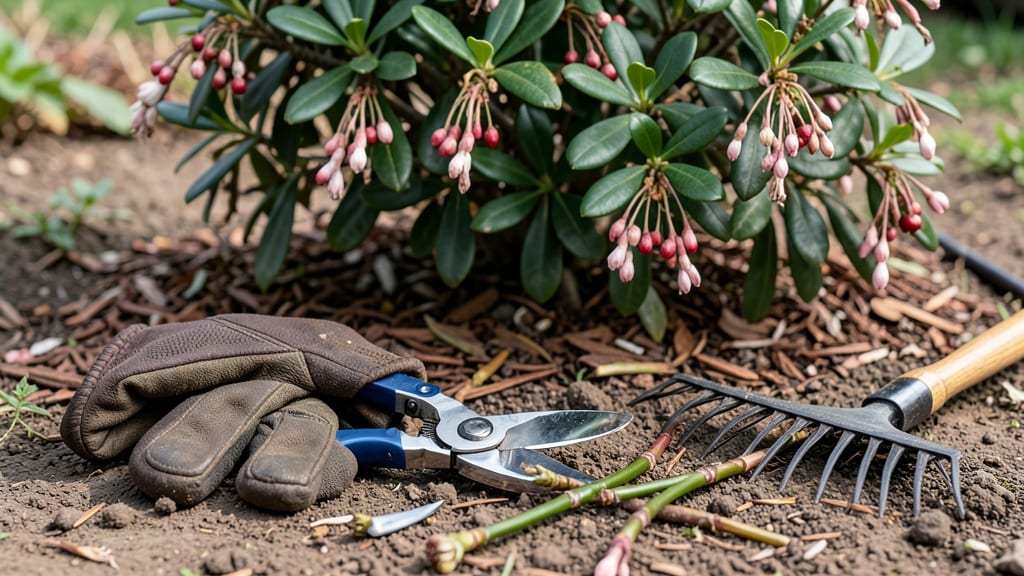
Pruning your daphne shrub in late winter unlocks its full potential—longer blooms, denser foliage, and a healthier plant that thrives for years. 🌿 I’ve pruned mine every year since 2018, and the difference in spring fragrance is shocking.
The key? Timing after flowering and using the right cuts to avoid damaging the delicate stems.
You’ll need sharp bypass pruners, rubbing alcohol for sterilizing, and a clear day to work—daphne hates wet conditions. Most pruning happens right after blooms fade, but late winter cleanup removes dead growth before new shoots emerge.
Just remember: daphne blooms on old wood, so never cut back into last year’s growth.
By the time spring arrives, you’ll see fresh green shoots pushing through, and those fragrant clusters will appear weeks earlier than before. The plant stays compact, and you’ll avoid the leggy, sparse look that happens when people prune at the wrong time.
This method works for all daphne varieties, from the classic Daphne odora to the showier Daphne x transatlantica. Even if you’ve struggled with daphne before, this approach is foolproof—just follow the timing and technique, and your shrub will reward you with years of effortless beauty.
📚 In This Guide
- What you need
- Instructions
- Tips and common mistakes
- Wrapping up and next steps
What you need
- ● Pruning shears: Bypass pruners (sharp, clean, and 10-12 inch handles) for small branches. Avoid anvil shears—they can crush delicate stems.
- ● Loppers: Long-handled (24-30 inches) for thicker branches (½ inch or larger). Look for ratchet-style for extra leverage.
- ○ Hand pruners (optional but handy): For precision trimming on tiny stems or deadheading spent blooms.
- ● Garden gloves: Heavy-duty, cut-resistant (e.g., nitrile-coated) to protect against thorns and sap.
- ● Disinfectant (70% isopropyl alcohol or bleach solution): 1 part bleach to 9 parts water to sterilize tools between cuts and prevent disease.
- ● Heavy-duty trash bags or bucket: For collecting pruned branches and debris.
- ● Ladder (if needed): Sturdy, extendable (6-10 feet) for reaching higher branches safely.
- ● Sharpener: File or honing tool to keep blades razor-sharp mid-pruning.
- ● Safety glasses: Protect your eyes from flying debris.
- ● Hose or spray bottle: For rinsing tools or wetting branches to reduce dust.
- ○ Pruning sealant: (Optional) For larger cuts (½ inch+) to prevent sap oozing.
- ● Notebook & pen: To jot down notes on your Daphne’s growth patterns for future reference.
Step-by-Step instructions for pruning daphne shrub
Here's my foolproof method for revitalizing your daphne shrub—timed perfectly for late winter.
✂️ Step 1: Gather Tools and Assess the Shrub
Start by sharpening your pruning shears—dull blades tear stems and stress the plant. I always use bypass pruners for clean cuts, and a small hand saw for any thick, woody stems over ½ inch in diameter. Put on gloves too—daphne leaves can irritate skin.
Examine the shrub closely. Look for dead, crossing, or diseased branches first—these take priority. Daphne blooms on old wood, so never cut back into last year's growth unless absolutely necessary. Mark branches with masking tape if you're unsure which to remove.
✂️ Step 2: Remove Dead and Problematic Branches
Start with the easy fixes: any branches that are brown, brittle, or hollow at the center belong on the compost pile. Make your cuts just outside the branch collar—the swollen area where the branch meets the main stem. This ensures the wound heals properly and prevents disease from entering.
Next, tackle branches that cross or rub against each other. These create wounds that invite pests and disease. Cut the smaller of the two branches at its base, or the upper branch if it's the larger one. Step back frequently to check the shrub's shape—you're sculpting, not hacking.
✂️ Step 3: Thin Out for Better Airflow and Light
Daphne needs good circulation, so thin out crowded areas by removing one-third of the oldest stems at their base. Focus on stems that are thin and woody rather than thick and healthy. This encourages new growth from the center and prevents a leggy, overgrown appearance.
Watch for stems growing toward the center of the shrub. These block light and airflow, creating a damp, shaded environment that breeds fungus. Cut these back to just outside a bud facing outward. You'll see new growth emerge from these buds in spring, creating a fuller, more open shrub.
✂️ Step 4: Shape Lightly for Next Season's Blooms
Now for the delicate part—light shaping. Daphne blooms on last year's growth, so avoid heavy pruning. Instead, trim just the tips of branches that have grown too long or look leggy. Cut back to just above a pair of healthy buds, leaving the bud that faces the direction you want growth to go.
Step back often and visualize how the shrub will look in full bloom. Daphne flowers appear on spurs along the stems, so avoid cutting into these unless absolutely necessary. If you're unsure, err on the side of caution—you can always do more shaping after the first flush of blooms in spring.
💧 Step 5: Clean Up and Care for the Shrub
After pruning, dispose of all clippings in the trash—never the compost—since daphne can carry fungal spores. Wipe down your tools with rubbing alcohol to prevent spreading disease to other plants. Give the shrub a deep watering to help it recover from the stress of pruning.
Apply a 2-3 inch layer of mulch around the base, keeping it 6 inches away from the trunk to prevent rot. This protects roots from late winter frosts and retains moisture. Avoid heavy fertilizing right after pruning—wait until new growth appears in early spring to feed the shrub.
Tips & tricks for pruning daphne shrub
Took me a while to figure these out, so here goes—these details make all the difference in keeping your daphne thriving.
Tool Prep is Everything: Before you even touch a branch, make sure your bypass pruners are sharp enough to cut cleanly through a pencil—no hesitation should mean you need to sharpen them. For those stubborn ½-inch thick stems, a hand saw is your best friend. I keep a small stash of extra blades on hand because dull tools create jagged cuts that invite disease. And trust me, those gloves aren't just for comfort—daphne leaves contain mild irritants that can cause skin reactions.
Visual Cues for Better Cuts: When removing branches in Step 2, look for the branch collar—that swollen area where the branch meets the main stem. Your cut should be just outside this collar, never flush with it. Think of it like making a clean exit: you want the wound to heal properly, not gape open like a bad haircut. For crossing branches, always remove the smaller one or the upper branch—this keeps the shrub's natural shape while preventing future rubbing injuries.
Bud Direction Matters: In Step 3 and Step 4, those little buds aren't just decorative—they're your future blooms. When you cut back to a bud, leave the one facing the direction you want new growth to go. It's like giving your shrub a roadmap for where to expand next. And here's a pro move: if you're unsure about a cut, mark the branch with masking tape first. This gives you time to observe how the shrub responds before making permanent changes.
Post-Pruning Recovery: That deep watering after pruning isn't just a formality—it's essential. The shrub is stressed from the process, and water helps it recover faster. For the mulch layer, think of it as a winter blanket: 2-3 inches is perfect for insulating roots while keeping moisture locked in. Just remember to keep it 6 inches away from the trunk to prevent rot. And resist the urge to fertilize right away—new growth needs time to establish before it can handle extra nutrients.
Pro Tips for Pruning Daphne Shrub
- Took me a while to figure these out, so here goes—these details make all the difference in keeping your daphne thriving.
- Tool Prep is Everything: Before you even touch a branch, make sure your bypass pruners are sharp enough to cut cleanly through a pencil—no hesitation should mean you need to sharpen them.
- Visual Cues for Better Cuts: When removing branches in Step 2, look for the branch collar—that swollen area where the branch meets the main stem.
Frequently asked questions
Got questions about pruning your Daphne shrub? You’re not alone—this delicate beauty needs a little extra care to thrive! Below, we’ve answered the most common questions to help you prune like a pro and keep your shrub blooming beautifully for years.
When is the absolute best time to prune a Daphne shrub?
The ideal window is late winter, just as new growth begins but before buds swell. This timing (typically February–March in most climates) encourages healthy spring blooms. Avoid pruning after flowering—Daphne blooms on last year’s wood, so cutting too late can reduce next year’s flowers.
Can I prune Daphne in early spring or summer?
While you can prune in early spring, it’s not ideal—you risk removing flower buds that haven’t opened yet. Summer pruning is a no-go: it stresses the plant and can stunt growth or even kill it. Stick to late winter for the best results!
How much should I trim off? Should I cut back old wood entirely?
Only remove dead, diseased, or crossing branches—never cut back more than ⅓ of the shrub. Daphne thrives on last year’s growth, so avoid heavy pruning. Focus on shaping lightly and opening up the center for airflow. Think light touch, not a drastic makeover!
What if I prune at the wrong time and my Daphne doesn’t bloom?
Don’t panic! If you pruned too late, your Daphne may skip blooming that year—but it’ll bounce back. Next year, stick to late winter pruning. For immediate help, fertilize lightly in early spring and keep the soil moist. Patience is key—Daphne is resilient!
Are there any alternatives to traditional pruning for Daphne?
Yes! If you’re worried about timing, try selective deadheading after blooms fade to encourage a few extra flowers. For overgrown shrubs, you can also lift and divide clumps every 5–7 years in early spring. Just avoid heavy shearing—Daphne hates it!
Wrapping up and next steps
Pruning your daphne shrub in late winter is a simple yet powerful way to unlock vibrant blooms and stronger growth for seasons to come! By following the right timing, tools, and techniques, you’ll encourage healthier foliage and stunning spring displays.
Don’t let hesitation hold you back—your garden will thank you! 🌸
Ready to take the next step? Grab your pruners, mark your calendar, and give your daphne the care it deserves. Happy pruning—and enjoy the beautiful rewards! ✂️🌿