
Pruning
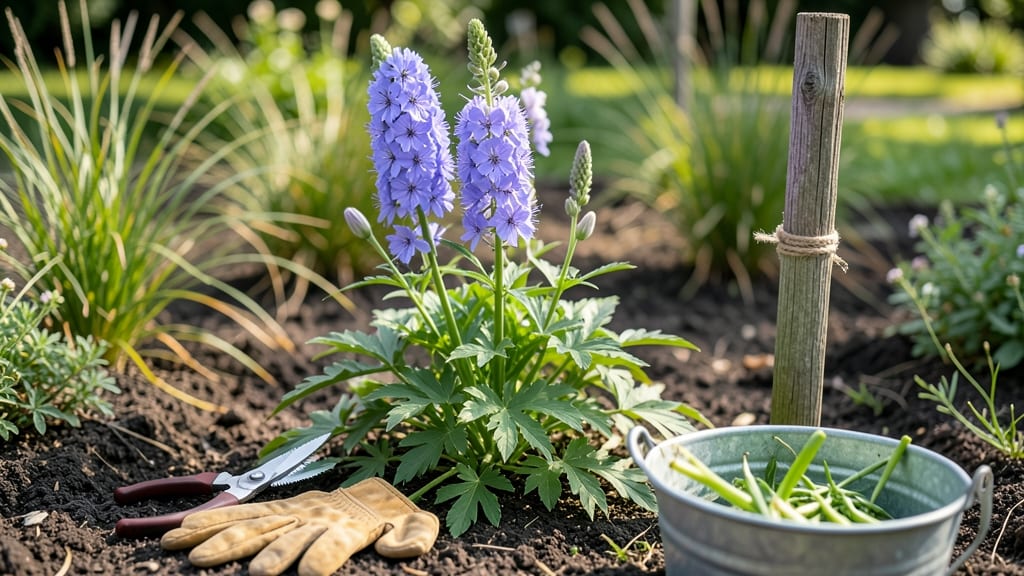
Pruning delphiniums in late winter isn’t just about tidying up—it’s the secret to thorn-free stems and towering blooms that make neighbors double-take. 🌿 I’ve pruned these dramatic plants for years, and the difference between a scraggly mess and a showstopper garden centerpiece comes down to timing, technique, and a sharp pair of shears.
Most gardeners wait too long, but the real magic happens when the ground is still frozen and the plants are dormant.
The goal is to remove dead growth while encouraging new, sturdy stems that won’t snap in wind or rain. You’ll need clean, sharp pruners (dull blades crush stems and invite disease), gloves (those thorns are no joke), and a bucket for clippings.
Skip the hedge trimmers—delphinium stems are too delicate for brute force. After pruning, you’ll notice fresh, velvety-green shoots emerging by early spring, and by summer, those iconic spires will reach 4-6 feet without flopping.
What you’ll end up with is a delphinium that blooms earlier, lasts longer, and produces more flowers than unpruned plants. The stems stay strong enough to support heavy blooms, and you’ll avoid the common problem of leggy, bare stems by midseason.
Plus, those thorns become less aggressive as the plant focuses energy on growth instead of defense. The payoff? A garden feature that turns heads from May through July with minimal effort.
This method works for both cultivated varieties and wild delphiniums, whether you’re pruning a single plant or a whole border. The key is patience—don’t rush the process, and always prune just above a leaf node to encourage branching.
Ready to transform those winter-browned stalks into next summer’s star? Let’s get started.
📚 In This Guide
- What you need
- Instructions
- Tips and common mistakes
- Wrapping up and next steps
What you need
- ● Sharp pruning shears – Bypass pruners (for clean cuts) or anvil pruners (for thicker stems). Quantity: 1 pair.
- ● Garden gloves – Heavy-duty, nitrile-coated (for thorn protection). Quantity: 1 pair.
- ● Disinfectant (70% isopropyl alcohol or bleach solution) – To sterilize tools between cuts. Quantity: Small spray bottle or wipe.
- ○ Garden twine or plant ties – For staking post-pruning (optional but helpful for tall varieties). Quantity: 3–5 ft per plant.
- ● Compost or mulch – Well-aged (to replenish soil after pruning). Quantity: 1–2 inches per plant.
- ○ Pruning sealant (optional) – Beeswax-based (for large cuts to prevent disease). Quantity: Small jar.
- ● Watering can or hose – With a gentle spray nozzle (to avoid disturbing roots). Quantity: 1.
- ● Timing – Prune in late winter (after the last frost, before new growth).
- ● Weather – Choose a dry, overcast day (reduces stress on plants).
- ● Plant health check – Ensure delphiniums are dormant (no green leaves or buds).
Instructions: pruning delphinium plants for stronger growth
Here's how to revive your delphiniums with precise cuts that encourage towering stems and fewer thorns.
✂️ Step 1: Time Your Pruning for Late Winter Dormancy
Prune your delphiniums in late winter, just as new shoots begin to emerge but before active growth starts. This timing—typically February to early March in most climates—gives the plant energy to regenerate without stressing it. Look for 1-2 inch green shoots at the base; these signal it's time to act.
If you prune too early, you risk damaging tender new growth. If you wait too late, you'll cut back vigorous stems that could have supported blooms. I always check the soil temperature—when it reaches 45°F consistently, that's my cue to start. Cold soil delays healing, so avoid pruning if nighttime temps drop below 35°F.
🌿 Step 2: Remove Dead and Weak Growth First
Start by cutting back any brown, mushy, or hollow stems—these are dead or diseased and won't recover. Use clean, sharp bypass pruners to make cuts at a 45-degree angle, about ¼ inch above a healthy leaf node (the bump where leaves attach). This angle helps water run off and prevents rot.
Next, identify stems that are thin, leggy, or growing at odd angles. These rarely produce strong blooms and compete with healthier stems. Snip them at the base, but leave 3-4 strong, upright stems per clump—they'll become your plant's main flowering stalks. I like to bundle the remaining stems together to see which ones have the best structure.
✂️ Step 3: Cut Back Healthy Stems to Encourage Bushiness
For the remaining healthy stems, cut them back by ⅓ to ½ their height—this sounds drastic, but it triggers bushier growth and stronger blooms. Aim to leave 12-18 inches of stem above the soil line, depending on your plant's maturity. Older, established plants can handle slightly taller cuts, while younger ones need shorter pruning.
Make your cuts just above a leaf node where new growth can emerge. Avoid leaving stubs—these can rot and invite pests. If you're unsure where to cut, imagine the stem as a ruler: divide it into thirds and stop at the top third. This method works every time for me, even with delphiniums that have grown unruly.
💧 Step 4: Clean Up and Fertilize for Recovery
After pruning, remove all debris from the area—burn or compost it never leave it on the ground, as it can harbor fungal spores. Sweep up fallen leaves and trim back any grass or weeds within 12 inches of the plant. Delphiniums need open air circulation to prevent mildew, especially in humid climates.
Apply a balanced, slow-release fertilizer (10-10-10 or similar) around the base, following package rates. Water deeply to help the plant recover, but avoid soggy soil—delphiniums hate wet roots. I like to add a 1-inch layer of mulch (like straw or shredded bark) to retain moisture and suppress weeds, but keep it 2 inches away from the stems to prevent rot.
☀️ Step 5: Monitor and Support New Growth
Within 2-3 weeks, you should see new shoots emerging from the base. These will be tender at first, so protect them from late frosts with a lightweight row cover if needed. Delphiniums grow tall—up to 6 feet—so install sturdy supports (like bamboo stakes or a pea net cage) as soon as shoots reach 6 inches. This prevents stems from flopping over when heavy with blooms.
Watch for thorny growth—a sign of stress or overcrowding. If you notice excessive thorns, thin out stems again in early summer to improve air flow. I also pinch back the tips of new growth in May to encourage wider, fuller plants. The goal is strong, thorn-free stems that hold up to wind and rain without snapping.
Tips & tricks for pruning delphinium plants
These precision-focused strategies will help you transform your delphiniums into thriving, thorn-free powerhouses—without the guesswork.
Timing is Everything: The 45°F soil temperature threshold isn't just arbitrary—it's when cell division ramps up in your delphiniums. I've learned this the hard way: pruning too early when soil is still cold (35°F) causes stress, while waiting too late risks cutting back stems that could have supported blooms. Check soil temp with a thermometer in the morning for accuracy—nighttime lows can drop unexpectedly.
Tool Selection Matters: Your pruners should be clean, sharp bypass pruners—never dull tools that crush stems. I keep a dedicated pair for delphiniums, sterilized with rubbing alcohol between uses. The 45-degree angle cut isn't just for aesthetics—it creates a larger surface area for water runoff, preventing the rot that can plague delphinium stems after pruning. If you don't have bypass pruners, anvil pruners work in a pinch, but make your cuts quickly to avoid crushing.
Visual Stem Assessment: When evaluating which stems to keep, hold them between your thumb and forefinger—healthy stems should feel firm but pliable, not brittle. I bundle the remaining stems together to visualize their structure: the 3-4 strongest, upright stems should form a natural triangle when viewed from above. This simple visual check helps me identify which stems will produce the best blooms. For older plants, I might leave slightly more height (closer to 18 inches) since they've proven their strength.
Post-Pruning Care: The 12-inch clear zone around your plants isn't just about looks—it's critical for airflow that prevents mildew. I've seen delphiniums develop fungal issues when pruned in crowded conditions. After fertilizing, I water deeply but avoid creating soggy soil; delphinium roots need oxygen. The 1-inch mulch layer keeps moisture consistent, but that 2-inch buffer from stems prevents rot that can creep up from damp mulch touching the cuts.
Pro Tips for Pruning Delphinium Plants
- These precision-focused strategies will help you transform your delphiniums into thriving, thorn-free powerhouses—without the guesswork.
- Timing is Everything: The 45°F soil temperature threshold isn't just arbitrary—it's when cell division ramps up in your delphiniums.
- Tool Selection Matters: Your pruners should be clean, sharp bypass pruners—never dull tools that crush stems.
Frequently asked questions
Got questions about pruning your delphiniums? You’re not alone! Here are some of the most common concerns—plus clear, actionable answers to keep your towering beauties thriving.
When is the best time to prune delphiniums?
The ideal time is late winter or early spring (just before new growth starts) or after flowering in late summer. Avoid pruning in fall—it can leave plants vulnerable to cold or pests. For perennials, a light trim in late winter encourages fresh, healthy stems.
How much should I cut back delphinium stems?
For annuals, cut stems back to 6–12 inches tall. For perennials, trim to 4–6 inches above the ground, leaving a few strong stems if possible. Never remove more than ⅓ of the plant’s foliage—this ensures energy reserves for regrowth.
What if I prune too late or too early?
Pruning too early (before dormancy) can stress the plant, while pruning too late (after hard frost) may damage new buds. If you miss the window, wait until spring—just be patient! Delphiniums are resilient, but timing helps prevent disease or weak regrowth.
Can I prune delphiniums in containers differently?
Container-grown delphiniums follow the same rules, but monitor drainage—overwatering after pruning can rot stems. Trim 10% more aggressively than in-ground plants since containers limit root space. Deadhead spent blooms throughout the season to encourage continuous flowering.
Why do my delphiniums look sad after pruning?
Don’t panic! Wilted or droopy leaves are normal for a few days as the plant adjusts. If yellowing persists or stems rot, you may have over-pruned or introduced disease. Boost recovery by watering deeply and applying a balanced fertilizer (like 10-10-10) once new growth appears.
Wrapping up and next steps
Pruning your delphinium plants in late winter isn’t just about tidying up—it’s your secret to vibrant, thorn-free blooms and a healthier plant for seasons to come! 🌸 By following the right steps, you’ll encourage strong growth, prevent disease, and enjoy those towering spikes of color all summer long.
Now that you’re armed with the know-how, roll up your sleeves and give your delphiniums the TLC they deserve—your garden will thank you!
Next step: Mark your calendar for late winter (just before new growth appears) and grab your pruners. Start pruning with confidence—your blooms are waiting!