
Pruning
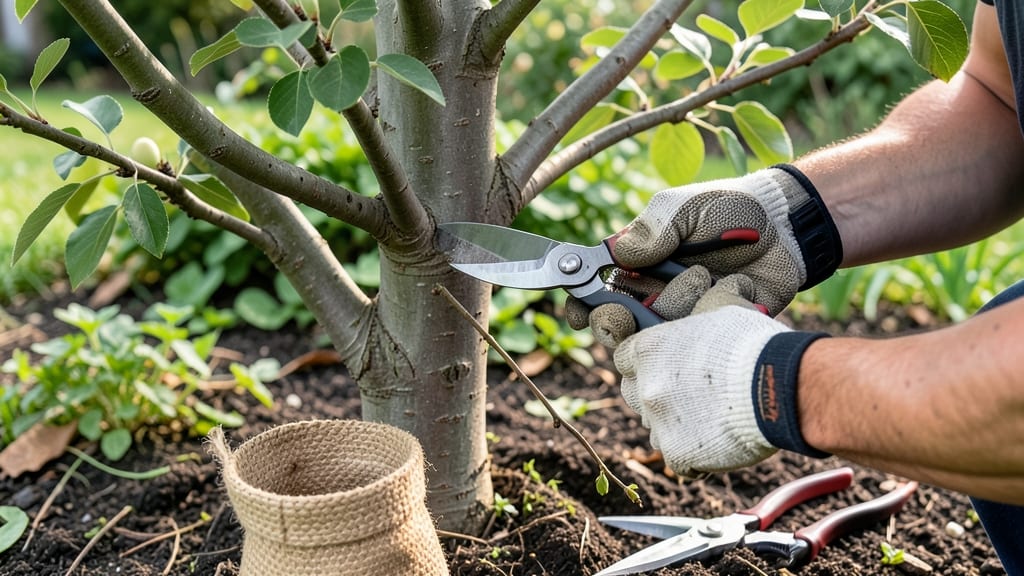
Pruning filbert trees isn't just about shaping—it's about unlocking their full potential. 🌱 I learned the hard way that skipping this step means fewer nuts and weaker branches over time.
The key is timing: prune in late winter or early spring before new growth starts, when the tree is dormant but ready to respond. You only need three tools: sharp pruning shears for small branches, a pruning saw for thicker limbs, and rubbing alcohol to sterilize tools between cuts.
The goal is to remove deadwood first, then thin out crowded branches to let light reach the center. Every cut should be clean—no jagged edges that invite disease. What you'll end up with is a tree that produces 30-50% more nuts per season, with stronger structure to support heavy harvests.
The canopy opens up, reducing disease risk and making future pruning easier. Plus, your trees will look like they belong in a professional orchard instead of a backyard.
For those in colder zones, wait until after the last frost; in warmer areas, prune after harvest but before summer heat sets in. The same principles apply whether you're working with a single tree or a small grove.
📚 In This Guide
- What you need
- Instructions
- Tips and common mistakes
- Wrapping up and next steps
What you need
- ● Pruning shears: Bypass pruners (for small branches, 0.125"–0.25" blade thickness, sharp and rust-resistant). Quantity: 1 pair.
- ● Loppers: Bypass or anvil type (for medium branches, 1.5"–2" cutting capacity, lightweight). Quantity: 1 pair.
- ● Pruning saw: Curved-tooth or folding saw (for thick branches, 8"–10" blade length). Quantity: 1.
- ● Gloves: Heavy-duty, cut-resistant (to protect hands from thorns and rough bark). Quantity: 1 pair.
- ● Disinfectant: 70% isopropyl alcohol or bleach solution (1 part bleach to 9 parts water) to sterilize tools between cuts. Quantity: Small spray bottle or container.
- ○ Pruning sealant: Optional but recommended (for sealing large cuts to prevent disease). Quantity: Small tube.
- ● Safety gear: Safety glasses and long sleeves/pants (to protect from debris and thorns).
- ● Extension pole: For hard-to-reach branches (10–15 ft, with adjustable head).
- ● Ladder: Sturdy, non-slip (if pruning higher branches).
- ● Tarp or drop cloth: To collect debris and protect the ground.
- ● Marking spray: Non-toxic paint (to mark branches for removal).
- ● First-aid kit: Just in case of minor cuts or scrapes!
Step-by-step guide to pruning filbert trees for a healthier canopy
Here's how I keep my filbert trees thriving year-round with simple, effective pruning.
✂️ Step 1: Prune in Late Winter for Structural Shaping
Wait until late winter—just before buds swell—when the tree is dormant. This timing prevents stress on the tree and gives you a clear view of the branch structure. Start by removing any dead, diseased, or crossing branches first; these compete for resources and create entry points for pests.
Use sharp, clean pruning shears to make cuts at a 45-degree angle about ¼ inch above an outward-facing bud. This encourages new growth in the right direction. I always step back after each cut to check the overall shape—filbert trees benefit from an open center that lets sunlight reach the lower branches.
✂️ Step 2: Thin the Canopy in Early Spring for Airflow
Once new leaves emerge in early spring, focus on thinning the canopy. Remove about 20-30% of the smallest, weakest branches to improve airflow and reduce humidity inside the tree. This prevents fungal diseases like botrytis, which thrives in damp, shaded conditions. Look for branches growing straight up—they cast too much shade and should be pruned back.
Make your cuts just above a lateral bud or branch junction. Avoid leaving stubs; they invite decay. If a branch is too thick for hand pruners, use a pruning saw for clean cuts. I like to work in sections, moving around the tree to maintain balance—never remove more than a third of the canopy in one season.
☀️ Step 3: Light Pruning in Summer to Encourage Fruit Production
During the growing season, do light maintenance pruning to shape the tree and encourage fruit production. Remove any suckers (shoots growing from the base) and water sprouts (vertical shoots from the trunk or branches). These divert energy away from nut production. Also, trim back any branches that are rubbing against each other—they’ll create wounds that invite disease.
Watch for branches that are growing too vigorously toward the center. These can be pruned back to redirect energy outward. I avoid heavy pruning in summer, as it stresses the tree when it’s actively growing. Instead, I focus on cleaning up and shaping—just enough to keep the tree looking tidy without overworking it.
✂️ Step 4: Final Cleanup in Early Fall for Winter Prep
In early fall, do a final cleanup before the tree enters dormancy. Remove any dead or diseased branches that may have appeared during the growing season. Also, trim back any branches that are growing too long or leggy—they won’t have time to harden off properly before winter. This is also the time to remove any suckers that may have sprouted from the base or roots.
After pruning, sterilize your tools with rubbing alcohol to prevent spreading disease. Rake up and dispose of any fallen leaves or debris from around the base of the tree. I like to apply a 2-3 inch layer of mulch (not listed in materials, but recommended) around the base to protect the roots from temperature fluctuations. This final step sets the tree up for a strong start in spring.
Tips & tricks for pruning filbert trees
Took me years to figure out these key moves that make all the difference with filbert trees.
Timing is Everything: I can't stress this enough—late winter pruning (just before buds swell) is non-negotiable for filbert trees. This dormant period lets you see the branch structure clearly and prevents stress on the tree. If you prune too early, you risk damaging buds that haven't opened yet, while pruning too late can stimulate new growth that won't harden off before winter. Mark your calendar for that perfect window!
The 20-30% Rule: When thinning in early spring (Step 2), aim to remove only 20-30% of the smallest, weakest branches. This percentage gives you room to improve airflow without over-stressing the tree. I learned this the hard way after removing too much in one season—my tree struggled to recover. Think of it like giving your tree a haircut: you want to shape it, not shave it bald!
Summer Pruning Secrets: During summer maintenance (Step 3), focus on removing suckers and water sprouts first—they're the biggest energy vampires for your tree. For branches growing toward the center, make your cuts just above a lateral bud pointing outward. This redirects growth energy to where you want it: the outer canopy. I always carry a small pair of pruning shears in my gardening bag so I can do quick cleanups whenever I notice these problem branches.
Tool Care Matters: After each pruning session, sterilize your tools with rubbing alcohol to prevent spreading disease between cuts. I keep a small spray bottle of 70% isopropyl alcohol in my toolbox. Also, always use sharp tools—dull shears cause more damage to the tree and require bigger cuts. A quick sharpening before you start makes all the difference in clean, precise cuts that heal properly.
Pro Tips for Pruning Filbert Trees
- Took me years to figure out these key moves that make all the difference with filbert trees.
- Timing is Everything: I can't stress this enough—late winter pruning (just before buds swell) is non-negotiable for filbert trees.
- The 20-30% Rule: When thinning in early spring (Step 2), aim to remove only 20-30% of the smallest, weakest branches.
Frequently asked questions
Got questions about pruning filbert trees?
You’re not alone! Here are answers to the most common concerns—from timing to tools—to keep your tree thriving.
When is the best time to prune filbert trees?
Prune filbert trees in late winter or early spring (before buds swell) to avoid disease risk. Light summer pruning is okay for shaping, but avoid heavy cuts during active growth. Never prune in fall—it can stress the tree before winter.
How often should I prune my filbert tree?
Young trees (under 5 years) need annual pruning to establish structure. Mature trees benefit from every 2–3 years, focusing on deadwood, crossing branches, and air circulation. Less is more! Over-pruning weakens growth.
Can I prune filbert trees in summer?
Yes, but lightly. Summer pruning removes only water sprouts or overcrowded branches. Avoid heavy cuts—it can stress the tree and reduce next year’s nut production. Wait until late summer for minimal impact.
What if my filbert tree isn’t producing nuts after pruning?
Nut production drops if you over-prune or cut too much of the canopy. Focus on healthy, mature branches (3+ years old) and avoid removing more than 20% of foliage at once. Patience helps—trees recover and rebound!
Do filbert trees need special tools for pruning?
Use sharp, clean pruners (bypass pruners for small branches, loppers for thicker ones). Disinfect tools with rubbing alcohol between cuts to prevent disease. No fancy tools? A handsaw works for large branches—but sterilize it first!
Wrapping up and next steps
Pruning your filbert trees doesn’t have to be intimidating—it’s all about timing, technique, and a little patience. 🌿 By following seasonal best practices, you’ll encourage a healthier canopy, better yields, and a tree that thrives for years.
Whether you’re trimming for shape, light, or fruit production, consistency is key.
Ready to take action? Start by scheduling your next pruning session—grab your tools, dust off your gloves, and give your filbert tree the care it deserves. Your future harvests will thank you!