
Pruning
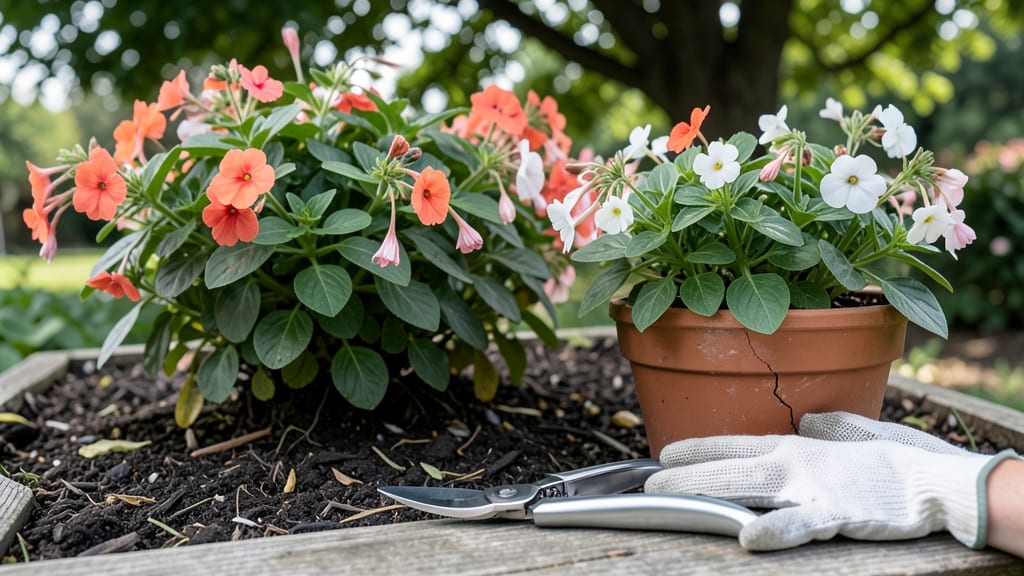
Pruning impatiens plants keeps them blooming for months instead of weeks. ✂️ I learned this the hard way—last summer, my impatiens turned into leafy monsters after just two weeks of flowers. The secret is regular pruning to encourage new growth and prevent leggy stems.
You only need basic tools: clean pruning shears and a pair of gloves. Cut just above a leaf node at a 45-degree angle to encourage bushier growth. This simple technique improves air circulation, reduces pests, and keeps flowers coming all season long.
Start by deadheading spent blooms every few days. Then, trim back leggy stems by a third in early summer and again in late summer. The result? Thicker plants with vibrant flowers from spring until frost. It takes just 10 minutes a week to transform your impatiens from sad to show-stopping.
Works for both bush and trailing varieties—just adjust how aggressively you prune. The key is consistency. Even a little effort makes a huge difference in how long your impatiens keep blooming.
📚 In This Guide
- What you need
- Instructions
- Tips and common mistakes
- Wrapping up and next steps
What you need
- ● Sharp pruning shears – A bypass type (not anvil) to avoid crushing stems (look for sterilized, stainless steel blades).
- ● Hand pruners – For smaller stems and finer cuts (choose ergonomic handles to reduce hand fatigue).
- ● Disinfectant – 70% isopropyl alcohol or a 10% bleach solution (1 part bleach to 9 parts water) to sterilize tools between cuts.
- ● Gloves – Nitrile or garden gloves to protect hands from sap and thorns (if your variety has them).
- ● Compost or potting mix – A small bag (5–10 lbs) for repurposing pruned stems or refreshing soil.
- ● Garden twine or plant ties – For supporting leggy stems after pruning.
- ● Slow-release fertilizer – A balanced 10-10-10 or bloom-specific formula to encourage regrowth.
- ○ Pruning sealant – Optional for large cuts to prevent disease (e.g., tree wound pruning paste).
- ● Spray bottle with water – To mist stems post-pruning and reduce stress.
Step-by-step guide to pruning impatiens for continuous blooms
Keep your impatiens flowering nonstop with this simple, seasonal approach.
✂️ Step 1: Pinch Back New Growth in Early Spring
When your impatiens first emerge in spring, focus on shaping the plant's structure. Use clean, sharp pruners to pinch off the top set of leaves when the plant reaches about 6 inches tall. This encourages branching, which means more stems producing flowers. I like to do this when the weather warms to 60°F or above—cooler temperatures slow new growth anyway.
Look for the first true leaves (the second set after the initial pair) and cut just above a leaf node where new growth will emerge. You'll see three to five main stems developing within a few weeks—that's your signal the pruning worked. If you wait too long, the plant will grow leggy and produce fewer blooms.
✂️ Step 2: Deadhead Regularly During the Growing Season
Deadheading is the secret to nonstop blooms. As soon as you notice a flower starting to fade or its petals drop, snip the stem back to the nearest leaf node or bud. I do this every 2-3 days during peak bloom season, which for impatiens is typically late spring through early fall. You'll know you're doing it right when you see new buds forming within 7-10 days of deadheading.
Use small, sharp scissors for this task—regular pruners can crush delicate stems. Cut at a 45-degree angle just above a leaf node to prevent water from pooling on the cut, which can cause rot. If you see any stems with yellow leaves or brown spots, remove those entirely to keep the plant healthy.
✂️ Step 3: Light Pruning in Mid-Summer for Bushier Growth
When temperatures hit 80°F or higher, impatiens often slow their growth. That's when I give them a light trim to encourage new, cooler-weather growth. Focus on cutting back any leggy stems that have outgrown their space or stems that are growing away from the center of the plant. Aim to reduce the plant's height by about one-third—this stimulates bushier, more compact growth.
After pruning, give the plant a thorough watering to help it recover. You'll notice new growth emerging from the sides within 10-14 days. This is especially important if your impatiens have become top-heavy or if the flowers are concentrated at the top of the plant. The goal is to create a full, rounded shape that looks lush and continues to produce blooms.
✂️ Step 4: Prepare for Fall and Winter Dormancy
As temperatures drop below 50°F in fall, impatiens start to slow down. This is the time to give them a final pruning to clean up the plant and remove any dead or diseased foliage. Cut back all stems to about 2-3 inches from the base. This helps the plant redirect its energy to root growth, preparing it for dormancy.
If you're growing impatiens in containers, you can bring them indoors to a cool, bright spot (like a garage or basement) where temperatures stay between 40-50°F
Tips & tricks for pruning impatiens plants
These simple strategies will help you keep your impatiens looking their best all season long.
Timing is Everything: The early spring pinch-back at 6 inches tall is your foundation for bushier plants. I've found that doing this when temperatures hit 60°F or above gives the plant the warmth it needs to respond quickly. If you wait until after 6 inches, you risk leggy growth that produces fewer blooms. Watch for those first true leaves—they're your cue to cut just above the leaf node where new stems will emerge.
Deadheading Discipline: I can't stress enough how critical the 2-3 day deadheading schedule is during peak bloom season. That 7-10 day window for new buds to form gives you a rhythm—set a reminder if you need to! Use small, sharp scissors (not regular pruners) to avoid crushing delicate stems. The 45-degree angle cut prevents water pooling that leads to rot, and it's worth the extra second to do it right.
Mid-Summer Revival: When summer heat hits 80°F, that's your signal for a light trim. Cutting back one-third of the plant's height might seem drastic, but you'll see new growth emerging from the sides within 10-14 days. This is especially important if your impatiens have become top-heavy. Think of it as a reset button for your plant's shape and growth pattern.
Fall Cleanup: The final pruning in fall when temperatures drop below 50°F is often overlooked, but it's crucial. Cutting back to 2-3 inches from the base helps the plant focus its energy on root growth. For container plants, moving them to 40-50°F temperatures creates ideal dormancy conditions. This preparation ensures your impatiens will bounce back stronger in spring.
Pro Tips for Pruning Impatiens Plants
- These simple strategies will help you keep your impatiens looking their best all season long.
- Timing is Everything: The early spring pinch-back at 6 inches tall is your foundation for bushier plants.
- Deadheading Discipline: I can't stress enough how critical the 2-3 day deadheading schedule is during peak bloom season.
Frequently asked questions
Got questions about keeping your impatiens lush and blooming? Here are some common concerns—plus quick answers to keep your garden thriving!
When is the best time to prune impatiens?
Prune impatiens throughout the growing season—spring, summer, and early fall—to encourage bushier growth and more blooms. Light trims can happen every 4–6 weeks, while heavy pruning after flowering (late summer) helps prep plants for winter. Avoid pruning in extreme heat or cold.
How much should I cut back impatiens?
For light maintenance, trim just above a leaf node to redirect energy. For renewal pruning, cut back by one-third to encourage new growth. Never remove more than half the plant at once—this can stress the plant. Think of it like giving your impatiens a haircut, not a buzz cut!
What if my impatiens look leggy after pruning?
Leggy growth usually means too little light or over-pruning. Move your plant to a bright, indirect spot (like morning sun) and reduce pruning frequency. Use a balanced fertilizer (like 10-10-10) every 4–6 weeks to boost foliage. Patience pays off—new growth will fill in within 2–3 weeks!
Can I prune impatiens in winter?
If you’re growing impatiens as annuals, no—prune them out after they die back in winter. But if you’re overwintering them indoors, give them a light trim in late fall to remove dead leaves and encourage fresh growth. Avoid heavy pruning until spring when they’re actively growing again.
Will pruning stop impatiens from blooming?
Not at all! Pruning actually boosts blooms by promoting new flower stems. Just avoid deadheading (removing spent blooms) if you want seeds—though most gardeners prefer the extra flowers! Focus on trimming just above a leaf node to keep the plant compact and flowering.
Pro Tip:
Use sterilized scissors or pruners to avoid spreading disease. Dip tools in rubbing alcohol between cuts for extra safety!
Wrapping up and next steps
Pruning your impatiens plants is the secret weapon for keeping them lush, healthy, and blooming beautifully all year long! 🌸 By following the right techniques—whether it’s pinching back young plants, deadheading spent blooms, or giving them a mid-season trim—you’ll encourage stronger growth and more vibrant flowers.
With just a little effort, your impatiens will reward you with stunning, long-lasting displays that brighten up your garden or containers.
Ready to take your pruning skills to the next level? Start by experimenting with different schedules—maybe try a light trim every two weeks or focus on deadheading right after blooms fade. And don’t forget to celebrate your progress as those flowers keep coming! Happy pruning! ✂️💚