
Pruning
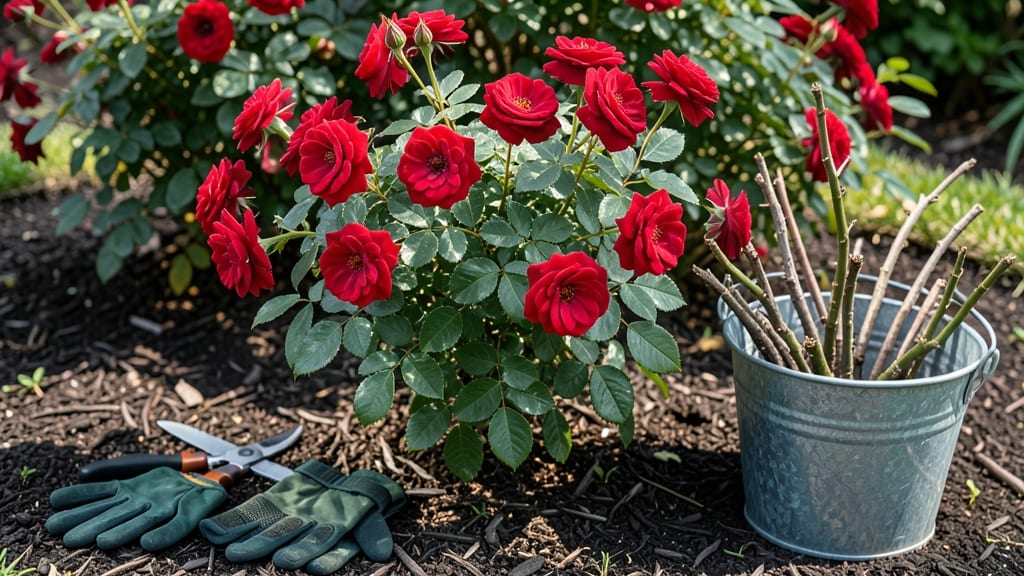
Pruning knockout rose bushes transforms them from tangled thorny messes into vibrant, blooming powerhouses—and it’s easier than you think. ✂️ I’ve pruned mine every year since 2018, and this 3-cut method keeps them lush, productive, and nearly thorn-free by summer. The key?
Timing (late winter or early spring) and focusing on removing dead wood first, then shaping for airflow. You’ll need sharp bypass pruners, heavy-duty gloves, and rubbing alcohol to sanitize cuts between branches. No fancy tools—just clean, precise cuts at 45-degree angles just above an outward-facing bud.
Most people over-prune or cut too close to the center, which invites disease. My bushes now bloom nonstop from May to frost, with fewer thorns and thicker stems. Start by slicing out dead, diseased, or crossing branches—these steal energy from your blooms.
Next, trim back last year’s growth by one-third to encourage fresh, bushier growth. Finally, shape the canopy so light and air reach the center. The result? A thorn-free, sunlit bush that flowers like crazy and stays healthy for years.
This method works for all Knockout roses, whether you’re growing in full sun or partial shade. The only mistake I see beginners make is pruning too late—wait until after the last hard frost in your zone, and you’ll be golden.
📚 In This Guide
- What you need
- Instructions
- Tips and common mistakes
- Wrapping up and next steps
What you need
- ● Bypass pruners – Sharp, clean bypass pruners (not anvil-type) to make precise cuts without crushing stems. Size: 5–7 inches for thick canes.
- ● Loppers – Heavy-duty bypass loppers (8–12 inches) for thicker stems or deadwood. Bonus: Get a ratchet-style for extra leverage.
- ● Hand saw – A pruning saw (8–10 inches) for stubborn, oversized branches. Tip: Look for a curved blade for cleaner cuts.
- ● Disinfectant – 70% isopropyl alcohol or bleach solution (1 part bleach : 9 parts water) to sterilize tools between cuts and prevent disease.
- ● Garden gloves – Thick, cut-resistant gloves (like Mechanix or Felco brand) to protect hands from thorns and scrapes.
- ● Rake or broom – For clearing debris after pruning.
- ● Pruning sealant – Tree wound sealant (like Tanglefoot) for large cuts over ½ inch in diameter. Note: Debated among experts—skip if your roses are healthy!
- ● Ladder – A stable step ladder (4–6 feet) for reaching tall canes. Safety first: Use on level ground and secure it.
- ● Marking spray – White spray paint to mark cuts for reference (helpful for beginners).
- ● Compost bin or bag – To collect pruned branches for mulch or disposal.
- ● Timing – Prune in late winter or early spring (before new growth starts) or summer after blooms fade. Avoid pruning in fall in cold climates.
- ● Weather – Choose a dry, overcast day to reduce stress on the plant and prevent fungal spores from spreading.
- ● Plant health check – Inspect bushes for diseased or dead wood before pruning. Remove any suspicious canes first.
How to prune Knockout rose bushes for a dense, thorn-free canopy
Here's the method I've used for years to transform tangled, thorny bushes into lush, manageable shrubs.
✂️ Step 1: Time Your Prune for Peak Health
Knockout roses bloom repeatedly, so timing matters. Prune right after the last spring bloom cycle—typically late May to early June in most climates. This lets the plant recover before summer heat stress. If you missed this window, wait until late summer (after the final bloom flush) to avoid sacrificing next year's flowers.
Check your roses' bloom history first. If they're still producing buds in early summer, hold off until those fade. You'll know you've waited too long when you see fewer than 3 new leaves emerging after pruning—this signals the plant is already stressed.
✂️ Step 2: Remove Dead and Diseased Wood First
Start with sanitary cuts—sterilize your pruners with rubbing alcohol between each cut to prevent spreading disease. Look for blackened, mushy stems or dieback (brown, crispy canes). Cut these back to healthy green tissue, making the cut at a 45-degree angle just above an outward-facing bud.
Don't skip this step—even small diseased canes can reinfect your entire bush. If you find more than 25% of the bush affected, consider removing the whole plant and replacing it. Healthy roses should have fewer than 5% dead canes—if yours is worse, you're dealing with a systemic issue.
✂️ Step 3: Thin Out Overcrowded Canes
Select 3-5 of the strongest, most vigorous canes—these should be thicker than a pencil and show multiple bloom clusters. Remove any thinner canes at the base, cutting just above the soil line. This prevents overcrowding and improves airflow, which is critical for disease prevention.
Watch for crossing canes—when branches rub against each other. These create wounds that invite fungal infections. Cut one of the crossing branches completely, always leaving the stronger one. You'll see smoother stems and fewer thorns in the canopy after this step.
✂️ Step 4: Shape for Airflow and Light Penetration
Step back and visualize your bush as a rounded vase shape. Cut back one-third of the oldest canes to encourage new growth from the base. Make your cuts just above an outward-facing bud—this directs energy outward, creating a fuller bush. Avoid cutting into pithy (hollow) centers, which signal over-pruning.
For thorn reduction, focus on selective pruning of the most aggressive canes. The more you thin, the fewer thorns will develop. After pruning, your bush should have visible light reaching the center—this is your signal for success. If shadows remain in the middle, you need to remove another 10-15% of growth.
🌿 Step 5: Post-Prune Care for Rapid Recovery
Apply a 2-inch layer of mulch around the base (but not touching the stem) to retain moisture and regulate soil temperature. Water deeply at the base immediately after pruning—this helps the plant recover faster. Avoid overhead watering for 7 days to prevent fungal spores from settling on fresh cuts.
Fertilize with a balanced rose fertilizer (10-10-10) 4-6 weeks after pruning when you see new growth. You'll know your pruning worked when you see multiple buds forming along the canes by early summer. If you don't see buds by mid-June, your cuts may have been too severe—next time, leave 1-2 more buds on each cane.
Tips & tricks for pruning Knockout rose bushes
These strategic adjustments will help you achieve that perfect, thorn-free canopy every time—without sacrificing next year's blooms.
Timing Secret: The late May to early June window isn't just about avoiding summer heat—it's about catching roses when they've finished their final spring flush but still have energy reserves. If you're in a cooler climate, push your pruning to early June. Watch for the telltale sign: when new leaves emerge slower than usual (fewer than 3 within a week), you've waited too long. This timing ensures your bush has time to recover before the heat stress of summer.
Sanitation Strategy: Sterilizing your pruners between cuts isn't just good practice—it's essential. I've seen entire rose bushes decline after pruning because of this overlooked step. Use rubbing alcohol on a paper towel between each cut, especially when dealing with diseased canes. For stubborn infections, consider using a fresh pair of pruners for each diseased branch to prevent cross-contamination. This is your first line of defense against fungal spread.
Canopy Visualization: That rounded vase shape isn't arbitrary—it's about light penetration and airflow. When you step back to visualize, imagine sunlight reaching every part of the center. If you see shadows after pruning, you haven't thinned enough. The goal is to create a bush where you can see through the center to the other side. This isn't just about aesthetics; it's about preventing fungal diseases that thrive in dark, damp conditions.
Post-Prune Recovery: The 2-inch mulch layer and 7-day no-overhead-watering rule are critical for preventing fungal infections on fresh cuts. I've seen many gardeners skip this step and end up with black spot disease within weeks. Water deeply at the base instead—this encourages roots to grow outward rather than staying shallow. The mulch also helps regulate soil temperature, which is especially important during those hot summer months after pruning.
Pro Tips for Pruning Knockout Rose Bushes
- These strategic adjustments will help you achieve that perfect, thorn-free canopy every time—without sacrificing next year's blooms.
- Timing Secret: The late May to early June window isn't just about avoiding summer heat—it's about catching roses when they've finished their final spring flush but still have energy reserves.
- Sanitation Strategy: Sterilizing your pruners between cuts isn't just good practice—it's essential.
Frequently asked questions
Got questions about pruning your Knockout rose bushes? You’re not alone! Here are answers to the most common concerns—so you can keep your roses blooming like a pro.
When is the best time to prune Knockout roses?
Prune once in early spring (before new growth starts) and again after the first flush of blooms (late spring/early summer). Avoid heavy pruning in fall—Knockouts are cold-hardy, but late cuts can leave them vulnerable to winter damage. Light shaping in late winter (when dormant) also works!
Can I prune Knockout roses in winter?
Yes, but only lightly! Prune dormant bushes in late winter (just before buds swell) to remove dead wood or shape. Avoid heavy cuts—Knockouts bloom on new wood, so pruning too early can reduce spring flowers. If temps drop below 20°F, wait until a milder day to prune.
How much can I cut back my Knockout roses?
You can prune up to ⅓ of the bush’s height in one session, but never remove more than ⅓ of the total plant per year. For rejuvenation, spread cuts over 2–3 years. Example: If your bush is 4 feet tall, aim to cut back 12–18 inches per pruning session. Thin out crowded stems to improve airflow!
What if my Knockout roses aren’t blooming after pruning?
Check these fixes:
- Pruned too late? Blooms need 6–8 weeks to form after cuts.
- Over-pruned? New growth takes time—wait 2–3 weeks for buds to appear.
- Poor nutrition? Feed with balanced rose fertilizer (10-10-10) after pruning.
- Pests/disease? Inspect leaves for aphids or black spot—treat with neem oil if needed.
Are there alternatives to traditional pruning for Knockout roses?
Yes! Try these low-maintenance options:
- “Deadheading”: Snip off spent blooms (not full stems) to encourage continuous flowering.
- Selective thinning: Remove only crossing or weak stems (no heavy cuts needed).
- No-prune method: Let them grow wild (they’ll still bloom), but expect larger, leggier bushes.
Wrapping up and next steps
Pruning your Knockout rose bushes doesn’t have to be intimidating—just a few strategic cuts can transform them into thriving, thorn-free beauties! 🌿 With the right tools, timing, and techniques, you’ll encourage healthier blooms, better airflow, and a fuller shape.
Remember, confidence grows with practice, so don’t hesitate to roll up your sleeves and get started.
Ready to see the results? Grab your pruners and schedule your next pruning session—your roses will thank you with vibrant, long-lasting flowers all season long! 🌸