
Pruning
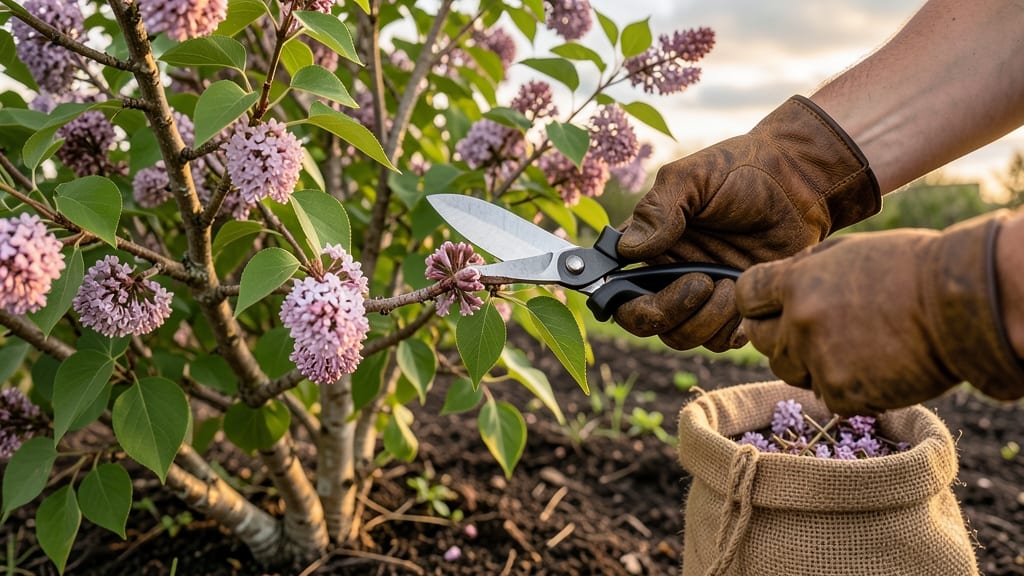
Late winter’s the only time for pruning lilacs tips—and getting it right means stronger canes and next year’s best blooms. ✂️ I’ve pruned dozens of lilac bushes, and the difference between a healthy, flowering plant and a sad, leggy one comes down to timing, technique, and avoiding these three common mistakes.
Most gardeners wait too long, but cutting now—just as buds swell but before leaves appear—stops energy drain from last year’s wood. You’ll shape the bush, remove dead growth, and encourage fresh, vibrant blooms by next spring. The key is working with the plant’s natural growth cycle, not against it.
After pruning, your lilacs will reward you with denser foliage and bigger clusters of fragrant flowers—the kind that make neighbors stop and smell. Just don’t skip the cleanup: rake up debris to prevent disease, and water deeply to help recovery.
This method works for any lilac variety, whether you’ve got a mature bush or a young plant. Let’s get those shears sharp and make next year your best blooming season yet!
📚 In This Guide
- What you need
- Instructions
- Tips and common mistakes
- Wrapping up and next steps
What you need
- ● Bypass pruners – Sharp, clean, and disinfected (1 pair). Avoid anvil pruners, as they can crush stems and damage lilac growth.
- ● Loppers – For thicker branches (up to 2 inches in diameter). Look for long handles (20–24 inches) for better leverage.
- ○ Hand pruning shears – For finer cuts on smaller stems (optional but handy for detail work).
- ● Garden gloves – Heavy-duty, cut-resistant gloves (1 pair) to protect your hands from thorns and rough branches.
- ● Disinfectant (70% isopropyl alcohol or bleach solution) – To sterilize tools between cuts and prevent disease spread.
- ● Heavy-duty trash bags or bucket – For collecting pruned branches (1–2 large bags or a 5-gallon bucket).
- ● Rake or broom – To clean up fallen debris after pruning.
- ● Ladder or step stool – If your lilacs are tall (6+ feet), a sturdy ladder ensures safe access to higher branches.
- ● Marking twine or flags – To tag branches you’re unsure about before making cuts.
- ● Pruning sealant – For large cuts (1-inch diameter or wider), though lilacs typically heal well without it.
- ● Notebook & pen – To jot down notes on your lilac’s shape or any unique growth patterns.
- ● Safety glasses – If you’re pruning near your face or eyes, protection is key!
- ● Choose a dry, sunny day after the lilacs have finished blooming but before new growth starts (late winter to early spring).
- ● Wear long sleeves and pants to avoid scratches from thorns.
- ● Check local frost dates—pruning too early can encourage tender new growth that may get damaged by late frosts.
- ● Have a clear plan! Sketch your lilac’s shape or research pruning techniques beforehand to avoid over-cutting.
Step-by-step instructions for pruning lilacs in late winter
Here's how I prune lilacs to boost next year's blooms and keep plants healthy—no guesswork involved.
✂️ Step 1: Wait for the Right Time
Prune lilacs immediately after flowering but no later than early summer. The best window is late winter to early spring, just as buds begin to swell but before any leaves emerge. This timing ensures you cut back old wood that's already produced flowers while leaving new growth intact.
Watch for the first signs of bud swell—tiny green bumps forming along the canes. If you prune too early, you risk cutting off next year's blooms. If you wait too long, you'll encourage leggy growth that weakens the plant. I always mark my calendar for February to March in my climate zone.
✂️ Step 2: Gather Tools and Prepare the Plant
You'll need clean, sharp pruning shears and a pair of gloves. I disinfect my tools with rubbing alcohol first—this prevents spreading disease between cuts. Lilacs have tough, woody stems, so dull blades tear instead of cutting cleanly, which stresses the plant.
Start by removing any dead, diseased, or crossing branches. Dead wood is easy to spot—it's brown, brittle, and doesn't bend. Diseased branches may have black spots or unusual growths. Cut these out first, making your cuts at the base of the branch where it meets the main stem. This opens up the center of the plant for better airflow and sunlight.
✂️ Step 3: Cut Back Old Wood to Strong Buds
Lilacs bloom on last year's growth, so focus on cutting back old canes to healthy, outward-facing buds. These buds are usually located near the base of the plant or along the lower half of the cane. Look for plump, green buds—these are your growth points for next year's flowers.
Make your cuts at a 45-degree angle, about ¼ inch above the bud. This angle helps rainwater run off the cut instead of pooling and rotting the stem. Avoid cutting too close to the bud—you'll damage it and prevent new growth. I like to step back occasionally to visualize the shape; lilacs naturally form a rounded, layered look.
✂️ Step 4: Thin Out Overcrowded Canes
Lilacs produce multiple canes, and over time, they can become too crowded. Aim to leave 3-5 of the strongest, most vigorous canes per plant. Remove the oldest canes first—they're usually the ones with the smallest diameter and fewer buds. Younger canes have more energy and will produce better blooms.
If you have more than five canes, prioritize keeping the ones that are straight, healthy, and well-positioned. Cut the rest back to the ground. This might seem drastic, but it rejuvenates the plant and encourages stronger new growth. After thinning, step back again to check the plant's balance—you want an open center with room for sunlight and air to circulate.
✂️ Step 5: Clean Up and Monitor
After pruning, rake up and dispose of all clippings. Lilacs can be susceptible to fungal diseases, and leaving old wood on the ground spreads spores. I like to compost the healthy clippings separately—just avoid putting diseased wood in the compost pile.
Water the plant deeply after pruning to help it recover. Keep an eye on the new growth over the next few weeks. Healthy buds should swell and turn green within 2-3 weeks. If you notice any wilting, yellowing, or unusual spots, act quickly—lilacs are tough but can decline if stressed. A light application of balanced fertilizer in early spring gives them a boost for the growing season ahead.
Tips & tricks for perfect late winter lilac pruning
Here's what nobody tells you about giving your lilacs the best possible start for next season.
Timing is Everything: The February to March window isn't just arbitrary—it's when lilacs naturally begin their growth cycle. If you prune too early, you'll cut off next year's flower buds that are already forming. I've learned this the hard way after seeing plants skip blooming entirely. Watch for those tiny green bumps along the canes (bud swell) and prune just as they begin to appear, but before leaves emerge. This ensures you're cutting back only last year's wood that's already produced flowers.
The 45-Degree Angle Secret: That precise angle isn't just for aesthetics—it's a water management technique. When you make your cuts at a 45-degree angle about ¼ inch above the bud, you create a natural channel for rainwater to run off the stem instead of pooling at the cut. I've seen many gardeners skip this detail, only to watch their pruned lilacs develop fungal issues from waterlogged cuts. The angle also gives you better leverage with your pruning shears, making cleaner cuts that heal faster.
Thinning Strategy: The 3-5 strongest canes rule isn't about counting—it's about quality. Older canes (usually the thinnest ones) produce fewer blooms and are more prone to disease. When thinning, prioritize keeping canes that are straight, healthy, and positioned to create an open center. I always step back after pruning to visualize the plant's shape—you want sunlight to reach all the way to the center, not just the outer canes. This open structure prevents fungal issues and encourages stronger blooms.
Post-Pruning Care: That deep watering after pruning isn't just a formality—it's crucial for recovery. Lilacs have extensive root systems that need to replenish moisture after the stress of pruning. I also recommend applying a light layer of mulch around the base (but not touching the trunk) to retain moisture and suppress weeds. The 2-3 week window for monitoring new growth is your chance to catch any issues early before they become major problems.
Pro Tips for Pruning Lilacs Tips
- Here's what nobody tells you about giving your lilacs the best possible start for next season.
- Timing is Everything: The February to March window isn't just arbitrary—it's when lilacs naturally begin their growth cycle.
- The 45-Degree Angle Secret: That precise angle isn't just for aesthetics—it's a water management technique.
Frequently asked questions
Got questions about pruning lilacs? You’re not alone—this task can feel tricky, especially if you’re new to gardening! Below, we’ve rounded up the most common questions and straightforward answers to help you prune like a pro.
When is the absolute latest I can prune lilacs before it’s too late?
The ideal window is late winter or early spring (just before buds swell), but you can prune lilacs up until early summer. After mid-summer, you risk cutting off next year’s flower buds, which form on old wood. If you miss the late-winter window, wait until after blooming—just prune lightly to shape, avoiding heavy cuts.
Can I prune lilacs in the fall? What are the risks?
Pruning lilacs in fall is not recommended because it stimulates new growth that may not harden off before winter, leaving them vulnerable to frost damage. If you must prune, do so only after leaves drop (late fall) and keep cuts minimal. The best strategy? Wait until late winter—your lilacs will thank you with bigger blooms next year!
What if I accidentally prune off next year’s flower buds?
Don’t panic! Lilacs are resilient. If you’ve over-pruned, focus on removing only dead, diseased, or crossing branches in future cuts. Next year, you may see fewer blooms, but with proper care (fertilizing, watering), your shrub will recover. For severe over-pruning, give it 1–2 seasons to bounce back—patience is key!
Do I need special tools to prune lilacs, or will regular pruners work?
While hand pruners or loppers work for small branches, larger lilac canes (over 1 inch thick) need pruning saws or bypass pruners to avoid tearing. For safety and precision, invest in sharp, clean tools—dull blades crush stems, stressing the plant. Pro tip: Disinfect tools with rubbing alcohol between cuts to prevent disease spread.
How do I know if I’ve pruned my lilacs too much?
Signs of over-pruning include bare stems, sparse foliage, or no flower buds the following year. If your lilac looks stunted or leggy, you may have cut too aggressively. The rule of thumb: Never remove more than 1/3 of the shrub’s total growth in one year. If in doubt, err on the side of caution—lilacs recover better from light pruning!
Wrapping up and next steps
Pruning lilacs in late winter is your secret weapon for vibrant blooms and healthier plants—just remember: timing, technique, and tools make all the difference! By following these tips, you’ll encourage stronger canes, better airflow, and next year’s showstopping flowers. 🌸✨
Now that you’re armed with the know-how, grab those shears and get pruning! Start with one shrub at a time, and soon your lilacs will thank you with lush, abundant growth. Happy gardening!
Next step: Mark your calendar for late winter (just before buds swell) and make pruning a yearly ritual. Your future self—and your lilacs—will cheer! 🎉