
Pruning
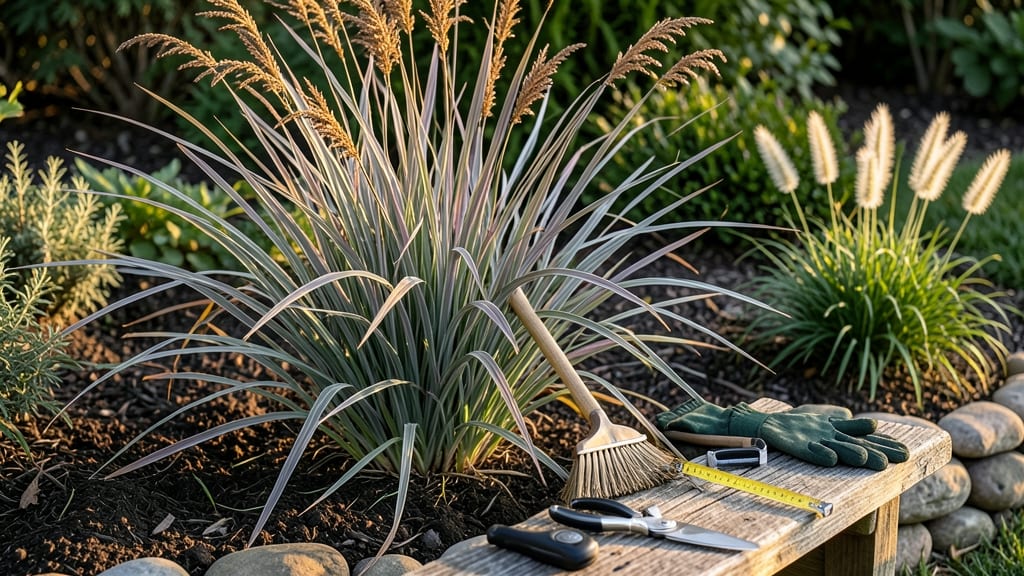
Pruning ornamental grasses sharpens their shape and fuels next year’s growth—the right cuts mean the difference between a wild tangle and a showstopping focal point. 🌿 I’ve spent years watching grasses like Miscanthus sinensis and Pennisetum transform from ragged clumps to sleek, architectural masterpieces after a single late-winter trim.
The secret isn’t just timing (though that matters) but how you cut: too aggressive, and you stunt regrowth; too timid, and you miss the renewal boost. Most gardeners overlook the two-stage approach—first removing dead growth, then shaping live stems.
Clumping grasses (like Carex) need a gentle hand, while running types (such as Calamagrostis) can handle a bolder edit. The payoff? Better air circulation (fewer pests), neater mounds, and faster spring rebirth—often within 4-6 weeks of pruning.
Even my black thumb’s grasses now stand tall by summer. Start with clean, sharp tools—dull shears crush stems, stressing the plant. Work on a dry day when grasses are dormant (late winter to early spring), and never cut into old wood (the brown, hollow centers).
For height control, trim one-third of the height, leaving some texture. The result? A garden feature that looks intentional, not neglected. This method works for all ornamental grasses, from dwarf varieties to towering Andropogon.
Skip the guesswork: follow the three-cut rule (dead growth → live stems → final shape), and your grasses will thank you with lush, vibrant foliage all season. Ready to sharpen your skills?
📚 In This Guide
- What you need
- Instructions
- Tips and common mistakes
- Wrapping up and next steps
What you need
- ● Sharp pruning shears or hedge clippers – Choose bypass-style (for clean cuts) or anvil-style (for thicker stalks). Look for 5- to 8-inch blades for versatility.
- ● Heavy-duty pruning saw – Ideal for thick, woody clumps (e.g., Miscanthus or Panicum). Opt for a 10- to 12-inch blade with fine teeth.
- ● Garden gloves – Leather or heavy-duty nitrile-coated to protect against cuts and scrapes. Size medium to large for grip.
- ● Loppers – For medium-sized stalks (e.g., Cortaderia or Andropogon). Select bypass loppers with 18- to 24-inch handles.
- ● Wheelbarrow or sturdy trash bags – To haul away 30-50% of the pruned material (depending on the grass type). A 3-cubic-foot wheelbarrow works for small yards.
- ● Knee pads or a small stool – For comfort during long sessions. Look for ergonomic designs with gel padding.
- ● Disinfectant (70% isopropyl alcohol or bleach solution) – To clean tools between cuts and prevent disease spread.
- ● String trimmer (weed whacker) – For neat edging around grass borders. Use a 20- to 24-inch trimmer with a nylon string.
- ● Extension pole for shears – Extends reach for tall grasses (6+ feet) without bending over.
- ● Compost bin or shredder – To recycle pruned material into nutrient-rich compost.
- ● Marking flags or spray paint – To map out pruning zones before cutting (helpful for design-driven pruning).
- ● Safety goggles – Protects eyes from debris, especially when using a saw or trimmer.
Step-by-step guide to pruning ornamental grasses for year-round beauty
Here's the method I rely on to keep ornamental grasses looking sharp year-round—whether you're reviving winter-browned clumps or prepping for spring's freshest growth.
✂️ Step 1: Time Your Pruning for Seasonal Needs
Prune ornamental grasses in late winter or early spring before new growth begins—typically February through March in most climates. This timing ensures you remove dead foliage while leaving protective winter cover intact. I always wait until after the last hard frost when new shoots emerge, signaling it's safe to cut back. For tropical grasses that stay green year-round, prune lightly in late winter to tidy up without sacrificing foliage.
Never prune in fall—this removes protective insulation for winter. If you must clean up in late autumn, leave 4-6 inches of standing stems to shelter roots from freezing temperatures. Watch for new green shoots in early spring; these are your cue that dormant buds have awakened and it's time to act.
✂️ Step 2: Assess and Cut Back Dead Growth
Use clean, sharp pruners or hedge shears to cut back dead foliage at the base of the plant, just above the crown. For most ornamental grasses, this means removing last year's brown or tan stems down to the ground level. I like to work in dry conditions—wet stems tear easily and leave ragged cuts that invite disease.
Leave new green growth untouched—this is your plant's energy source for the season. If you're unsure what's dead, gently tug a stem. If it resists, it's still alive; if it pulls out easily, it's ready for removal. For clumping grasses, cut back one-third of the plant each year to maintain shape and prevent overcrowding.
✂️ Step 3: Thin and Shape for Airflow
Once you've removed dead material, thin out congested areas by selectively trimming back older growth from the center of the clump. This improves airflow and sunlight penetration, which prevents fungal issues like rust. I use hand pruners for precise cuts, avoiding the temptation to yank stems—this can damage the root system.
For upright grasses like Miscanthus or Pennisetum, you can lightly shape the plant by trimming straggly stems to 60-70% of their height in early summer. This encourages bushier growth and prevents flopping. Avoid cutting into the thick, woody stems of mature plants—these provide structural support and should only be removed if completely dead.
✂️ Step 4: Clean Up and Fertilize for Revival
After pruning, remove all debris from the garden bed to prevent pests and diseases from overwintering. I rake up clippings and dispose of them in the trash—not the compost pile—since ornamental grass debris can harbor fungal spores. Once the area is clear, apply a balanced, slow-release fertilizer (like 10-10-10) to encourage fresh growth.
Water deeply after fertilizing to help nutrients penetrate the soil. Aim for 1 inch of water per week, either from rainfall or irrigation. You'll see new shoots emerge within 2-3 weeks—this is your signal that the pruning was successful. If growth is sparse, consider lightly top-dressing with compost to improve soil health.
⏰ Step 5: Monitor and Maintain Through the Season
Throughout the growing season, remove any dead or diseased foliage as it appears to keep the plant looking tidy. For tropical grasses, a light trim in mid-summer can encourage denser growth. I avoid heavy pruning in summer unless necessary—this can stress the plant and reduce flowering.
In late fall, leave the seed heads and stems intact for winter interest and wildlife benefits. Only remove dead material in early spring before new growth starts. If your grasses develop brown spots or discoloration, this could signal overwatering or fungal issues—adjust your care routine accordingly.
Tips & tricks for perfectly pruned ornamental grasses
These simple yet game-changing strategies will help you transform your ornamental grasses from winter-browned eyesores to spring's showstopper focal points.
Seasonal Timing is Everything: The late winter to early spring window (February through March) is non-negotiable for most grasses. I've learned the hard way that pruning too early can leave plants vulnerable to late frosts, while waiting too long risks cutting off new growth. For tropical varieties that stay green year-round, that late winter trim is your only chance to tidy up without sacrificing foliage. Always confirm new shoots are emerging—this is your visual cue that dormancy has broken.
The Dead vs. Alive Test: When assessing what to cut, I've found the "gentle tug" method foolproof. If a stem resists when you pull, it's still alive—leave it be. If it comes away easily, it's ready for removal. This simple test prevents the common mistake of over-pruning healthy growth. For clumping grasses, remember the one-third rule: never remove more than one-third of the plant in any given year to maintain its natural shape and prevent stress.
Tool Selection Matters: Sharp, clean pruners are your best friend here. Dull tools crush stems instead of cutting cleanly, which invites disease and creates unsightly ragged edges. I keep a dedicated pair of hedge shears just for ornamental grasses and clean them with rubbing alcohol between plants. For thicker stems, I use loppers—but always make cuts just above the crown to avoid damaging the plant's growth point. And here's a pro move: work in dry conditions to prevent tearing, especially with fibrous grasses.
Post-Pruning Care Prevents Failure: After you've made your cuts, don't just walk away. Remove all debris immediately to prevent fungal spores from overwintering in your garden bed. I always rake up clippings and dispose of them in the trash—not compost—since ornamental grass debris can harbor rust and other diseases. Then comes the fertilizer boost: a balanced 10-10-10 applied right after pruning gives plants the nutrients they need to rebound quickly. Water deeply afterward to help those nutrients penetrate the soil.
Pro Tips for Pruning Ornamental Grasses
- These simple yet game-changing strategies will help you transform your ornamental grasses from winter-browned eyesore...
- Seasonal Timing is Everything: The late winter to early spring window (February through March) is non-negotiable for ...
- The Dead vs. Alive Test: When assessing what to cut, I've found the "gentle tug" method foolproof. If a stem resists ...
Frequently asked questions
Got questions about pruning ornamental grasses?
You’re not alone! Here are the most common queries—and their easy answers—to help you master the art of winter revival and spring flourish.
When is the best time to prune ornamental grasses?
Prune most ornamental grasses in late winter or early spring (just before new growth starts) for a clean look. Exceptions: Some varieties like Miscanthus or Pennisetum can be pruned in fall for winter interest. Avoid pruning in summer—it stresses the plant and reduces blooms.
Do I need to cut back ornamental grasses in winter?
Yes! Dead foliage can harbor pests and diseases. Cut back brown, dry stalks to 2–3 inches above the ground (or the crown) in late winter. Pro tip: If you love the winter texture, leave some seed heads or dried plumes for a rustic look—but still trim the bulk.
What if I wait too long to prune?
Don’t panic! If you miss the winter window, prune in early spring before new shoots emerge. Avoid pruning in summer or fall—it can stunt growth or kill the plant. If your grass looks overgrown or leggy, thin it out gradually to avoid shocking the roots.
Can I prune ornamental grasses with regular scissors?
Nope! Use sharp, clean pruners or hedge shears for a crisp cut. Dull tools crush stems, making recovery harder. Bonus tip: Disinfect your tools with rubbing alcohol between cuts to prevent disease spread. For large clumps, a string trimmer works too!
What if my ornamental grass looks sad after pruning?
Give it time! Healthy grasses bounce back quickly. If it’s still limp or not regrowing by spring, check for:
- Underwatering (grasses need deep, infrequent watering)
- Overcrowding (thin out clumps if needed)
- Pests/disease (inspect for chewed leaves or spots)
Wrapping up and next steps
Pruning ornamental grasses is your secret weapon for keeping them healthy, vibrant, and thriving year after year! 🌿 With the right tools, timing, and technique, you’ll enjoy lush, full growth that brightens up your garden—whether it’s winter’s quiet beauty or spring’s bold revival.
Now that you’re armed with the know-how, grab those shears and get pruning—your grasses (and future garden visitors) will thank you!
Ready to take it further? Experiment with different pruning styles or explore how to combine ornamental grasses with perennials for a stunning landscape. Happy gardening!