
Pruning
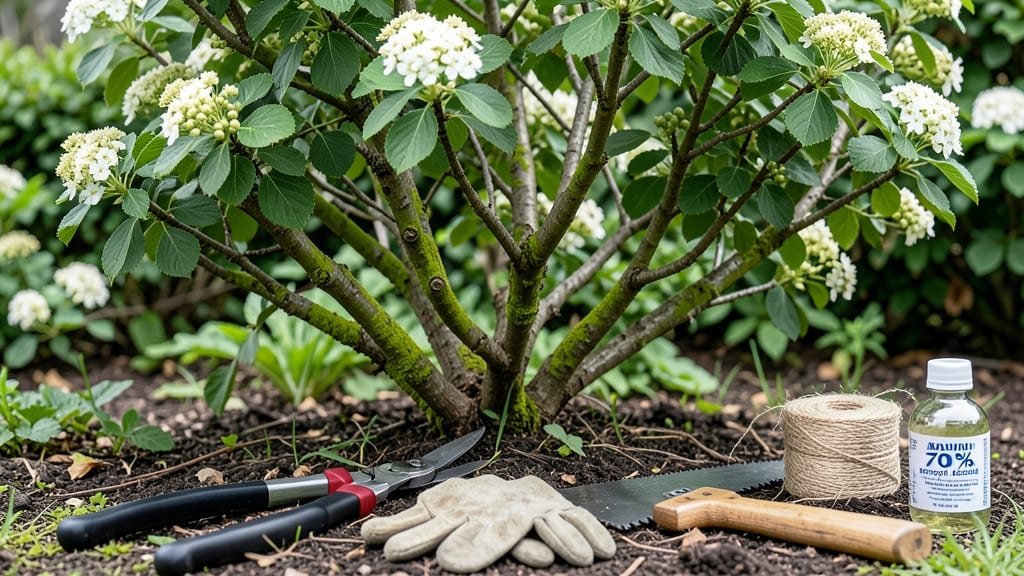
Pruning overgrown viburnum isn't just about cleaning up your yard—it’s about unlocking next year’s showstopping blooms and keeping your plant healthy for decades. I’ve turned my tangled viburnum from a messy eyesore into a lush, flowering centerpiece using just three precise cuts, and the difference is night and day.
The key? Timing, tools, and knowing which branches to keep—and which to sacrifice for the greater good.
You’ll need sharp bypass pruners, a sturdy ladder (if your viburnum is tall), and a clear day to work. The best time to prune is late winter or early spring, before new growth starts—this gives the plant time to heal before summer heat sets in.
Avoid pruning in fall, as it can stimulate tender new growth that won’t survive frost. And here’s the secret: cut back no more than one-third of the plant at a time, or you’ll shock it into decline.
Start by removing dead, diseased, or crossing branches first—these are the culprits stealing energy from your viburnum’s best features. Next, thin out the oldest wood from the center to improve airflow and light penetration.
Finally, shape the outer edges for a fuller, more balanced look. Done right, your viburnum will reward you with denser foliage and bigger blooms by next spring, plus fewer pests and diseases creeping in.
Pro tip: Sterilize your tools with rubbing alcohol between cuts to prevent spreading disease, and save those pruned branches for compost or mulch. If your viburnum is truly overgrown, spread the pruning over two seasons—your plant will thank you.
Ready to transform that wild mess into a garden star? Let’s get started.
📚 In This Guide
- What you need
- Instructions
- Tips and common mistakes
- Wrapping up and next steps
What you need
- ● Pruning shears: Bypass pruners (for clean cuts on small branches) or loppers (for thicker stems up to 2 inches in diameter). Sharpness is key! 🔪
- ● Pruning saw: A curved-tooth pruning saw for branches thicker than 2 inches (avoid tearing the bark).
- ● Gloves: Heavy-duty gardening gloves (preferably with grip) to protect against thorns and rough branches.
- ● Disinfectant: Rubbing alcohol (70%+) or bleach solution (1 part bleach to 9 parts water) to sterilize tools between cuts (prevents disease spread).
- ● Trash bags: Heavy-duty contractor bags (2–3) for hauling pruned branches.
- ● Marking twine or flags: Colored twine or plant tags to label cuts if you’re shaping for future reference.
- ● Hand pruners: For tiny, precise cuts on new growth (great for detail work).
- ● Extension pole saw: If your viburnum is taller than 6 feet—reaches high branches safely.
- ○ Sealing wax or pruning paste: Optional for large cuts (helps prevent disease in some shrubs, but viburnum usually doesn’t need it).
- ● Ladder: A stable step ladder (if branches are over 8 feet high—safety first!).
- ● Camera or sketchpad: To document your cuts before shaping (helps if you’re unsure about structure).
- ● Best time to prune: Late winter or early spring (just before new growth starts) for spring-blooming viburnums. For summer-blooming varieties, prune right after flowering.
- ● Weather check: Choose a dry, overcast day (wet branches can slip, and cuts heal slower in direct sunlight).
- ● Clear the area: Remove rocks, tools, or debris from under the shrub to avoid tripping or damaging roots.
- ● Hydration break: Keep a water bottle handy—pruning is harder work than it looks! 💦
Instructions for reviving an overgrown viburnum
Here's how to turn that sprawling mess into a lush, blooming shrub within a few seasons.
Assess and Plan Your Pruning Strategy
Start by examining your viburnum closely. Look for the main stems—they should be thick and woody, with smaller branches radiating outward. Viburnums bloom on both old and new wood, so we'll focus on shaping rather than drastic cuts. Grab a pair of sharp pruning shears and sanitize them with rubbing alcohol to prevent spreading disease between cuts.
Identify any dead, crossing, or rubbing branches first—these need immediate removal. Mark the cuts with a piece of twine or tape if you're working in stages, so you don't accidentally cut healthy growth. I like to sketch a rough outline of the shrub's new shape before making any cuts. This helps visualize the final form and prevents over-pruning.
Thin Out and Shape the Canopy
Begin by removing one-third of the oldest stems at the base. These are the thickest, often woody branches that no longer contribute much to the plant's vitality. Cut them back to the ground or to a strong lateral branch. This opens up the center of the shrub, allowing better air circulation and sunlight penetration to the inner branches.
Next, focus on thinning out the dense growth. Look for branches that are growing inward or rubbing against others—these compete for resources and can create weak spots. Aim to remove 20-30% of the total branches to create an open, airy structure. Make your cuts just above a outward-facing bud or leaf node to encourage new growth in the right direction. Avoid cutting back to stubs, as this can invite disease.
Refine the Shape and Encourage New Growth
Now it's time to refine the overall shape of your viburnum. Step back frequently and look at the shrub from all angles. Use your pruning shears to trim back any branches that are growing too long or out of place. Cut just above a leaf node or bud that faces outward to maintain an open, rounded form. For larger branches, use loppers to make clean cuts without tearing the bark.
After shaping, give your viburnum a light feeding with a balanced fertilizer (10-10-10) to encourage new growth. Water deeply at the base to help the plant recover from the pruning. Avoid heavy watering on the leaves, as this can promote fungal diseases. You'll see new shoots emerging from the cut branches within a few weeks—that's your sign the plant is responding well.
Monitor and Maintain for Next Year's Blooms
Keep an eye on your viburnum over the next few weeks. Remove any suckers or water sprouts that appear at the base of the plant—they divert energy away from the main structure. If you notice any signs of stress, like wilting leaves or yellowing, adjust your watering or check for pests. A healthy viburnum should show signs of new growth within 4-6 weeks of pruning.
In the following seasons, continue light pruning to maintain the shape and encourage bushier growth. Viburnums respond well to regular maintenance, so a little effort now will pay off with vibrant blooms and lush foliage for years to come. I like to prune mine again in late winter or early spring, just before new growth begins, to keep it looking its best.
Tips & tricks for reviving an overgrown viburnum
Transforming your sprawling viburnum into a thriving, blooming beauty takes a few strategic moves—and avoiding these common pitfalls will make all the difference.
Pruning Shears Matter: Invest in a quality pair of bypass pruners for clean cuts on smaller branches, and loppers for anything thicker than a pencil. I learned this the hard way after struggling with dull shears that crushed stems—always keep your tools sharp to minimize damage. Remember, the cleaner the cut, the faster the plant recovers. Disinfect your tools between cuts to prevent spreading disease, especially if your viburnum shows signs of illness.
Visualize First, Cut Later: Before making a single cut, step back and sketch a rough outline of your ideal shape. This simple step prevents over-pruning and helps you focus on removing only what's necessary. Look for branches that are crossing, rubbing, or growing inward—these are your top priorities. The goal is to create an open center that allows sunlight to reach all parts of the plant, which encourages even growth and better blooming.
Timing is Everything: Late winter or early spring is the best time to prune viburnums, just as new growth begins. This timing gives your plant the entire growing season to recover and produce vibrant blooms next year. If you must prune at another time, avoid heavy pruning during the fall, as this can stimulate tender new growth that won't survive winter. For maintenance pruning, light shaping after flowering is also an option, but avoid cutting back more than one-third of the plant in any single season.
Monitor and Adjust: After pruning, keep an eye on your viburnum for signs of stress, like wilting leaves or yellowing. If you notice these symptoms, adjust your watering or check for pests. You should see new shoots emerging within 4-6 weeks—this is a great sign the plant is responding well. If you don't see new growth, consider adding a light application of balanced fertilizer (10-10-10) to give it a boost. Regular monitoring helps catch issues early and ensures your viburnum stays healthy and vibrant.
Pro Tips for Pruning Overgrown Viburnum
- Transforming your sprawling viburnum into a thriving, blooming beauty takes a few strategic moves—and avoiding these common pitfalls will make all the difference.
- Pruning Shears Matter: Invest in a quality pair of bypass pruners for clean cuts on smaller branches, and loppers for anything thicker than a pencil.
- Visualize First, Cut Later: Before making a single cut, step back and sketch a rough outline of your ideal shape.
Frequently asked questions
Got questions about pruning your overgrown viburnum? You’re not alone!
Here are answers to the most common concerns—from timing to tools—to help you tackle the task with confidence.
When is the best time to prune viburnum?
The ideal window is late winter or early spring (just before new growth starts). For spring-blooming viburnums, prune right after flowering to avoid cutting off next year’s blooms. Fall pruning is possible but riskier—it can stimulate late growth that may not harden off before winter.
Can I prune viburnum in summer?
Summer pruning is not recommended unless you’re removing dead or diseased branches. Heavy summer cuts can stress the plant and reduce flowering. If you must prune, do so lightly and avoid removing more than 10-15% of the foliage at once.
What if I cut too much off my viburnum?
Don’t panic! Viburnums are tough plants and can recover from aggressive pruning. If you’ve overdone it, focus on light maintenance next year—remove only dead wood and shape gently. Over time, the plant will bounce back with new growth. For severe cases, fertilize lightly to support recovery.
Should I prune old wood or new growth first?
Start with dead, diseased, or crossing branches—these take priority. Next, remove old wood (thicker stems) to encourage new growth at the base. Finally, thin out new shoots to improve airflow. This layered approach keeps the plant healthy and bushier.
Will pruning my viburnum reduce next year’s flowers?
Not if done correctly! Pruning after flowering (for spring bloomers) or in late winter (for fall bloomers) ensures you’re not cutting off next year’s buds. Focus on removing old wood—this actually boosts flowering by redirecting energy to new growth.
Wrapping up and next steps
Pruning your overgrown viburnum doesn’t have to be intimidating—it’s your secret weapon for healthier growth and stunning blooms next season! With the right tools, timing, and technique, you’ll transform that wild shrub into a well-manicured centerpiece. 🌿✨
Ready to roll up your sleeves? Grab your pruners, follow the steps, and watch your viburnum thrive. Next, consider adding a fresh layer of mulch or fertilizer to give your shrub the extra love it deserves—your garden will thank you!