
Pruning
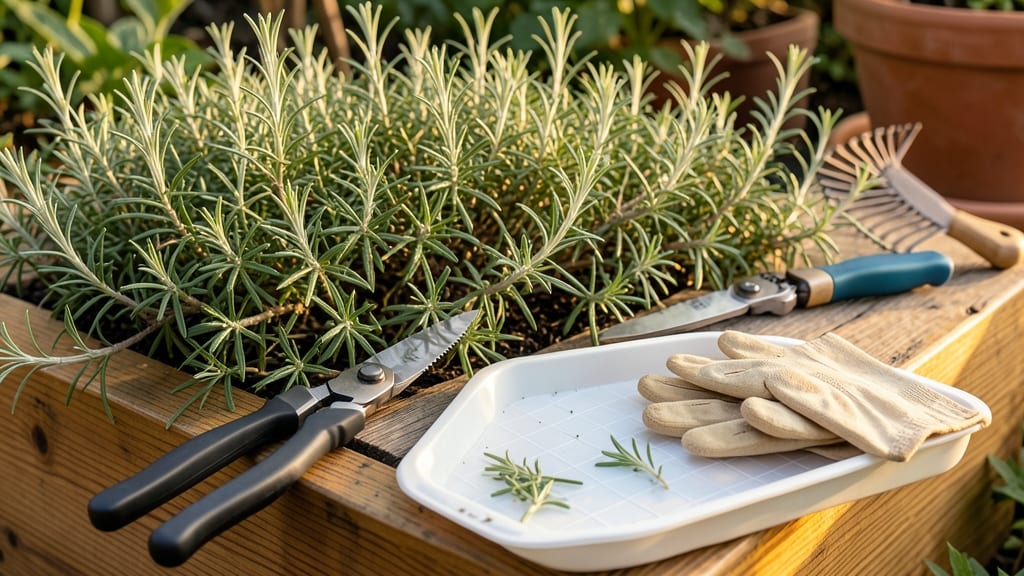
Pruning prostrate rosemary keeps it lush and fragrant year-round—the secret to that perfect, low-spreading carpet of green. 🌿 I’ve learned the hard way that skipping this step means leggy stems and sparse foliage, but with the right timing and technique, you’ll get a plant so dense it feels like walking on a velvety lawn.
The key is working with its natural growth habit: prostrate rosemary spreads horizontally, so pruning isn’t about shaping like a bush—it’s about encouraging that thick, ground-hugging mat.
You only need sharp pruning shears and a sunny afternoon. Start in early spring when new growth begins, then repeat lightly in late summer to maintain shape. Avoid cutting into woody stems—those won’t regrow—and never trim more than one-third of the plant at a time.
The goal is to remove spent blooms and leggy stems while leaving the dense, aromatic foliage intact. Think of it like giving your rosemary a haircut that keeps it full and vibrant.
After pruning, you’ll notice new shoots emerging within weeks, and the fragrance becomes even more intense. The plant stays compact, resists flopping, and produces more of those tiny blue flowers that bees adore.
Prostrate rosemary is forgiving, but it rewards precision—cut just above a leaf node, and you’ll encourage bushier growth. Skip this, and you’ll end up with a sparse, woody mess that loses its charm.
This method works for containers, borders, or ground cover—just adjust the timing based on your climate. In warmer zones, you might prune twice a year; in cooler areas, once in spring suffices.
The result? A fragrant, evergreen carpet that stays lush without the fuss of traditional pruning. Let’s get those shears ready!
📚 In This Guide
- What you need
- Instructions
- Tips and common mistakes
- Wrapping up and next steps
What you need
- ● Pruning shears – Bypass pruners (sharp, clean, and sterilized to prevent disease; 5- to 7-inch blades work best).
- ● Hand pruners – For smaller stems (3- to 4-inch blades).
- ● Garden gloves – Cut-resistant (rosemary’s stems can be spiky!).
- ● Disinfectant (70% isopropyl alcohol or bleach solution) – To clean tools between cuts.
- ○ Pruning saw – Optional for thick, woody stems (if your rosemary has overgrown beyond ½ inch in diameter).
- ● Rake or leaf blower – To clear away pruned debris and prevent fungal growth.
- ● Choose the right time – Prune in early spring or late winter (before new growth starts) or right after flowering (summer/fall).
- ● Water the plant 1–2 days prior – Ensures rosemary is hydrated (but not soggy) for easier cutting.
- ● Sunny, dry day – Avoid pruning after rain to prevent fungal issues.
- ● Weather check – Wait until temps are above 50°F (10°C) to avoid stressing the plant.
- ● Horticultural oil or fungicide – Spray tools and cuts if your rosemary shows signs of powdery mildew.
- ● Compost bin or mulch – Repurpose pruned stems as organic matter.
- ● Notebook & pen – To sketch your rosemary’s shape before pruning (great for beginners!).
How to prune prostrate rosemary for lush, spreading growth
This method keeps your prostrate rosemary compact, fragrant, and full—no more leggy, woody stems.
✂️ Step 1: Time Your Pruning for Best Results
Spring is ideal—prune just as new growth begins, usually in early April when you spot fresh green shoots. Avoid pruning in late summer or fall, as this encourages tender growth that won’t survive winter. I always wait until after the last frost, because cold snaps can stress newly pruned plants.
If you missed spring, a light trim in early summer still works. Never prune in autumn—your plant needs all its energy to harden off for winter. Watch for the first flush of new growth in spring; that’s your signal to start shaping.
✂️ Step 2: Cut Back Leggy or Woody Stems
Use clean, sharp pruners to remove any stems that look leggy, bare, or woody. These are the ones that stretch outward and lose their needle-like leaves. Cut just above a set of healthy leaves or a leaf node—never leave stubs. I like to make my cuts at a 45-degree angle to help water run off and prevent rot.
Don’t overthink it—prostrate rosemary is forgiving. If you accidentally cut too much, new growth will fill in quickly. Just avoid cutting into old, bare wood—this won’t regrow. You’ll know you’ve pruned correctly when the plant looks fuller and bushier within 2-3 weeks.
✂️ Step 3: Shape for Fullness and Spread
Step back and assess the plant’s shape. Prostrate rosemary grows low and wide, so your goal is to encourage that spread. Trim the outer edges slightly to prevent the plant from becoming too top-heavy. Cut back any stems that grow upward or away from the center—these are the ones that make the plant look sparse.
For a denser look, pinch back the tips of new growth by a third. This encourages branching and keeps the plant compact. Avoid heavy pruning in one session—stick to 10-15% of the plant’s total growth at a time. You’ll see new shoots emerge within 7-10 days, signaling healthy regrowth.
💧 Step 4: Water and Fertilize After Pruning
Water the plant deeply right after pruning to help it recover. Prostrate rosemary is drought-tolerant, but pruning stresses the plant, so a good soak encourages root growth. Avoid wetting the foliage—focus on the soil. I water at the base in the morning to let the plant dry out during the day.
Feed with a balanced, water-soluble fertilizer (10-10-10) diluted to half strength. This gives the plant the nutrients it needs to bounce back quickly. Skip fertilizer in winter—your rosemary is dormant and doesn’t need extra food. You’ll notice new growth within 2-3 weeks if everything’s on track.
⏰ Step 5: Maintain Through the Growing Season
Check your rosemary monthly during the growing season for any stems that need trimming. A little maintenance keeps it looking neat and prevents it from becoming overgrown. If you see any dead or diseased stems, remove them immediately—don’t wait. Healthy prostrate rosemary should look vibrant green and full year-round.
In late summer, give it a light trim to tidy up, but avoid heavy pruning. This helps the plant prepare for winter. Mulch around the base with 2-3 inches of organic mulch to protect roots from temperature swings. With consistent care, your prostrate rosemary will stay lush, fragrant, and ready for use all season long.
Tips & tricks for pruning prostrate rosemary
Here’s what nobody tells you about keeping your prostrate rosemary thriving after pruning—these tricks make all the difference.
Timing is Everything: The early April window is critical because that’s when your rosemary’s growth hormones kick into high gear. If you prune too early, you’ll cut back fresh shoots that could have grown into fragrant foliage. Look for those first bright green shoots—those are your cue. And if you missed spring? A light summer trim still works, but avoid autumn pruning entirely—your plant needs all its energy to survive winter.
The 45-Degree Cut Secret: When you make those cuts in Step 2, that 45-degree angle isn’t just for looks—it’s a water-shedding strategy. The angled cut prevents water from pooling at the stem base, which drastically reduces rot risk. Use clean, sharp pruners (dull blades crush stems) and always cut just above a leaf node. This ensures new growth will sprout from exactly where you want it.
Don’t Over-Prune: The instructions mention keeping pruning to 10-15% of the plant’s total growth at a time, and that’s non-negotiable. Prostrate rosemary is tough, but even it can get stressed. If you see new shoots emerging within 7-10 days after pruning, you’re doing it right. The plant will look fuller and bushier within 2-3 weeks—that’s your reward for patience.
Watering Wisdom: That deep watering after pruning isn’t just about hydration—it’s about recovery. Focus on the soil, not the foliage, to prevent fungal issues. Morning watering gives the plant time to dry out during the day, which is especially important after pruning. And remember: prostrate rosemary is drought-tolerant, but pruning creates stress, so that good soak helps it bounce back faster.
Pro Tips for Pruning Prostrate Rosemary
- Here’s what nobody tells you about keeping your prostrate rosemary thriving after pruning—these tricks make all the difference.
- Timing is Everything: The early April window is critical because that’s when your rosemary’s growth hormones kick into high gear.
- The 45-Degree Cut Secret: When you make those cuts in Step 2, that 45-degree angle isn’t just for looks—it’s a water-shedding strategy.
Frequently asked questions
Got questions about keeping your prostrate rosemary lush and thriving? Here are some of the most common ones—and their answers!
When is the best time to prune prostrate rosemary?
For prostrate rosemary, the best time to prune is in early spring (just as new growth begins) or late summer (after flowering). Light trims can also be done throughout the year to shape the plant, but avoid heavy pruning in winter—it’s dormant and more vulnerable to cold damage.
How much should I trim off at once?
Never remove more than one-third of the plant in a single session. Prostrate rosemary grows close to the ground, so aim for a 1–2 inch height to encourage bushiness. Over-pruning can stress the plant or leave it looking bare. Think of it like a haircut—gradual changes keep it healthy!
What if my rosemary looks leggy or sparse after pruning?
Leggy growth often means it needs more sunlight or less water. After pruning, move it to a sunnier spot (6+ hours of direct light daily) and let the soil dry out between waterings. If it’s still sparse, fertilize lightly with a low-nitrogen, balanced fertilizer in spring. Patience pays off—new growth should fill in within weeks!
Can I propagate rosemary from pruned cuttings?
Use 4–6 inch cuttings from healthy stems (just below a leaf node). Remove lower leaves, dip in rooting hormone (optional), and plant in well-draining soil. Keep them in bright, indirect light and lightly moist (not soggy). Roots should form in 2–4 weeks—perfect for expanding your garden!
How do I protect prostrate rosemary in winter?
Prostrate rosemary is hardy to USDA Zone 7+, but younger plants or colder climates need help. After late-fall pruning, mulch with 2–3 inches of straw or pine needles to insulate roots. Avoid heavy pruning in winter—wait until spring to encourage vigorous regrowth. If frost hits, cover with frost cloth at night.
Wrapping up and next steps
Pruning prostrate rosemary isn’t just about keeping your plant tidy—it’s the secret to unlocking lush, fragrant growth year-round! By mastering the right techniques, timing, and tools, you’ll encourage bushier foliage, vibrant blooms, and that signature rosemary aroma.
Whether you’re a seasoned gardener or just starting, a little regular maintenance goes a long way.
Now that you’re armed with the know-how, roll up your sleeves and give your rosemary the care it deserves! 🌿 Next up: watch it thrive and share your pruning wins with fellow plant lovers—because gardening is always better together.