
Pruning
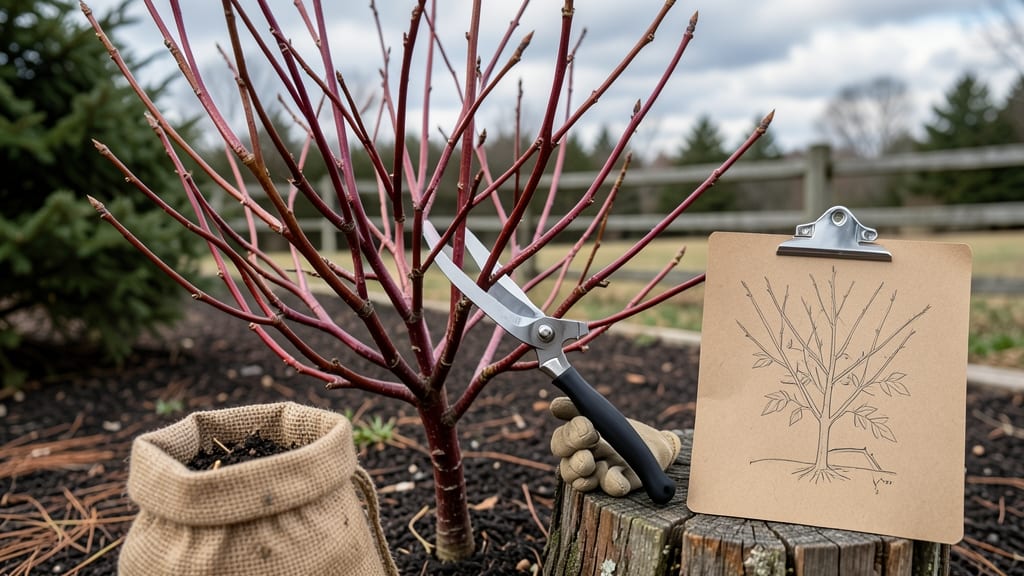
Pruning red twig dogwood in late winter unlocks its boldest stems all summer. ✂️ I’ve watched this plant transform from a tangled mess to a showstopper after just one careful cut—here’s how to do it right without sacrificing next year’s growth.
The secret is timing: prune right before buds swell (February-March in most zones), when old stems are bare but new growth is just waking up. You’ll remove 1/3 of last year’s stems—the ones that turned brown—to make room for fresh, fiery red twigs.
Use sharp bypass pruners to cut cleanly at the base, and avoid hacking at branches.
After pruning, your dogwood will burst with vibrant new stems by summer, each one a striking contrast against green foliage. The plant stays compact, blooms better, and resists disease. Just avoid cutting back more than 1/3 at a time—this keeps the plant healthy and prevents shock.
Works for shrub borders, rain gardens, or even container plantings. Once you master this, your dogwood will be the talk of the neighborhood—no over-pruning, no guesswork, just bold stems that last.
📚 In This Guide
- What you need
- Instructions
- Tips and common mistakes
- Wrapping up and next steps
What you need
- ● Pruning shears or loppers: Choose bypass pruners (sharp, clean blades) for clean cuts—avoid anvil-style shears that crush stems. Size matters! Opt for bypass loppers (16–24") for thicker stems (1"–2" diameter).
- ● Hand pruners (felco or equivalent): For smaller branches (Must be sterilized with rubbing alcohol to prevent disease spread.
- ● Gloves: Heavy-duty gardening gloves (nitrile-coated for grip) to protect against thorns and sap.
- ● Disposable pruning bags or bucket: To collect clippings and keep your workspace tidy.
- ○ Sharpie or permanent marker: For labeling cuts if you’re training new growth (optional but helpful!).
- ● Rubbing alcohol (70% isopropyl): For sterilizing tools between cuts.
- ● Sealer (pruning paint/sealant): Only needed if cuts are larger than ½" (e.g., Tanglefoot Tree Wound Pruning Seal).
- ● Ladder or step stool: For reaching higher branches safely.
- ● Workshop or tarp: To lay clippings out and dry for potential crafts (e.g., winter arrangements!).
- ● ✅ Timing: Prune in late winter (Jan–Feb), before buds swell but after hard frosts (zone-dependent).
- ● ✅ Weather: Choose a dry, calm day (no rain forecast for 24 hours).
- ● ✅ Safety gear: Long sleeves/pants to avoid sap irritation or scratches.
- ● ✅ Plant health check: Inspect for diseased or dead stems first—remove those before shaping.
Step-by-step guide for pruning red twig dogwood
Here's my foolproof method for shaping this stunning shrub while keeping those fiery stems vibrant.
✂️ Step 1: Time Your Pruning for Maximum Impact
Prune in late winter, just as new buds begin to swell but before any leaves appear. This timing ensures you remove last year's stems while encouraging fresh growth that will develop those signature red twigs. I always aim for February or early March in my zone 5 climate—adjust for your area by waiting until 1-2 weeks before your last frost.
Look for stems that have lost their color or appear dead at the base. These are perfect candidates for removal. Healthy stems will have a firm, green interior when you cut them open with a sharp knife. Pruning too early risks exposing tender new growth to harsh winter winds, while waiting too long steals energy from the plant's spring growth cycle.
✂️ Step 2: Remove Dead and Overcrowded Stems First
Start by cutting out any dead, diseased, or crossing branches at their base. Use clean, sharp pruners to make 45-degree cuts just above an outward-facing bud. I always work from the inside out—this prevents accidentally damaging the shrub's center where new growth emerges. Remove any stems that are rubbing against others, as these create wounds that invite pests and disease.
For stems that are overcrowded, thin them out to create air circulation. Aim to leave 3-5 main stems per shrub, as this encourages thicker, more vibrant twigs. You'll know you've done well when you can see light filtering through the center of the plant. This open structure also makes future pruning easier and prevents the center from becoming woody and bare.
✂️ Step 3: Shape the Shrub for Bold Winter Interest
Now focus on shaping. Red twig dogwood thrives with an airy, open form, so avoid heavy pruning that creates dense foliage. I like to step back frequently and visualize the plant's natural shape—this helps me decide which stems to shorten. Cut back 1/3 of the oldest stems each year to a strong bud or side branch. These older stems produce the most vibrant red color in winter.
For stems you want to keep, make your cuts just above a bud that faces outward. This encourages growth in the direction you want. Avoid leaving stubs—always cut cleanly at the bud. If you're unsure which direction a bud faces, gently bend the stem to see where new growth would emerge. The goal is to create a balanced, multi-layered shrub that showcases stems at different heights and ages.
✂️ Step 4: Clean Up and Protect the Plant
After pruning, remove all debris from the area and sterilize your tools with rubbing alcohol or a 10% bleach solution to prevent spreading disease. I like to spread a 2-inch layer of mulch around the base of the plant, keeping it 3 inches away from the trunk. This protects new growth from temperature swings and retains moisture during spring's dry spells.
Water deeply after pruning to help the plant recover. You'll see new growth emerging from the buds within 4-6 weeks. These fresh stems will develop their signature red color as winter approaches. Avoid fertilizing immediately after pruning—let the plant focus on establishing new growth first. Once you see strong new shoots, you can apply a balanced fertilizer in early spring to support the coming season's vibrant display.
Tips & tricks for pruning red twig dogwood
These simple strategies will help you prune like a pro and keep your shrub looking its absolute best.
Timing is Everything: The late winter window is critical—prune when buds swell but before leaves emerge. In my zone 5 garden, I've found that pruning too early (before buds swell) removes potential growth, while waiting too long (after leaves appear) steals energy from summer's vibrant stems. If you miss this window, don't worry—just aim for the dormant season, but you'll sacrifice some of that signature winter color.
Tool Prep Prevents Problems: Sterilize your pruners with rubbing alcohol or 10% bleach solution before you start. I've learned this the hard way after introducing disease to otherwise healthy plants. Sharp tools make clean cuts that heal faster, so take a minute to hone your blades before beginning. You'll notice the difference immediately when making those precise 45-degree cuts above outward-facing buds.
Visualize the Final Shape: Step back frequently and picture your shrub's mature form. Red twig dogwoods thrive with an open, airy structure—think of it like a sculpture where you're removing material to reveal the form. I like to imagine light filtering through the center, which helps me decide which stems to keep. This approach prevents that dense, unnatural look that can make the plant look overworked.
Mulch Matters More Than You Think: That 2-inch layer of mulch around the base (keeping it 3 inches away from the trunk) does double duty. It protects new growth from temperature swings and retains moisture during spring's dry spells. I've seen plants recover faster and develop more vibrant stems when properly mulched after pruning. Plus, it keeps weeds from competing with your dogwood for nutrients.
Pro Tips for Pruning Red Twig Dogwood
- These simple strategies will help you prune like a pro and keep your shrub looking its absolute best.
- Timing is Everything: The late winter window is critical—prune when buds swell but before leaves emerge.
- Tool Prep Prevents Problems: Sterilize your pruners with rubbing alcohol or 10% bleach solution before you start.
Frequently asked questions
about pruning red twig dogwood—because even experienced gardeners need a little clarity! Here are answers to the most common questions to help you master the art of late-winter pruning.When is the exact best time to prune red twig dogwood?
Late winter (just before new growth starts) is ideal—typically February to early March in most climates. Prune too early, and you risk frost damage; too late, and you’ll cut back next year’s vibrant stems. If you miss the window, early spring is the next best time, but avoid summer or fall cuts.
How much can I cut back red twig dogwood without harming it?
You can safely remove up to one-third of the oldest stems each year to encourage new growth. For a 3-year-old shrub, aim to trim back 1/3 of the oldest canes to the ground. Avoid over-pruning—this shrub thrives on a mix of old (for structure) and new (for color) stems!
What if my red twig dogwood isn’t producing colorful stems?
Lack of color often means over-pruning or poor timing. Leave some last year’s stems uncut—they’re where the fiery red hues appear! Also, ensure it gets full sun (6+ hours/day) and well-draining soil. If stems are weak, fertilize lightly in early spring with a balanced 10-10-10 formula.
Can I prune red twig dogwood in fall or summer?
While you can, it’s not recommended. Fall pruning can stimulate tender new growth that won’t survive winter. Summer cuts may reduce next year’s stem color. Stick to late winter for the best results—your future self (and shrub!) will thank you.
How do I know which stems to cut vs. keep?
Prioritize thin, weak, or crossing stems first. Keep the thickest, healthiest canes (they’re usually 2–3 years old) and remove older, woody stems at the base. Pro tip: Look for stems with the most vibrant red—these are your keepers!
What’s the best way to clean tools after pruning?
Disinfect your pruners with rubbing alcohol (70%+) or a 10% bleach solution to prevent disease spread. Wipe blades dry to avoid rust. Bonus: Store tools in a dry place with a drop of mineral oil on hinges for longevity!
Wrapping up and next steps
Pruning your red twig dogwood in late winter isn’t just a chore—it’s the secret to unlocking vibrant, eye-catching stems and a healthier plant all season long! 🌿 With the right tools, timing, and technique, you’ll transform your shrub into a standout star in your landscape.
The key takeaways? Act now (before buds swell), cut strategically (focus on old stems and shape), and embrace the process—your future summer blooms and winter interest will thank you!
Ready to see the magic? Grab those pruners and give it a try—your red twig dogwood will reward you with bold color and lush growth. Need a refresher? Revisit the step-by-step guide or join a local gardening group for hands-on tips. Happy pruning!