
Pruning
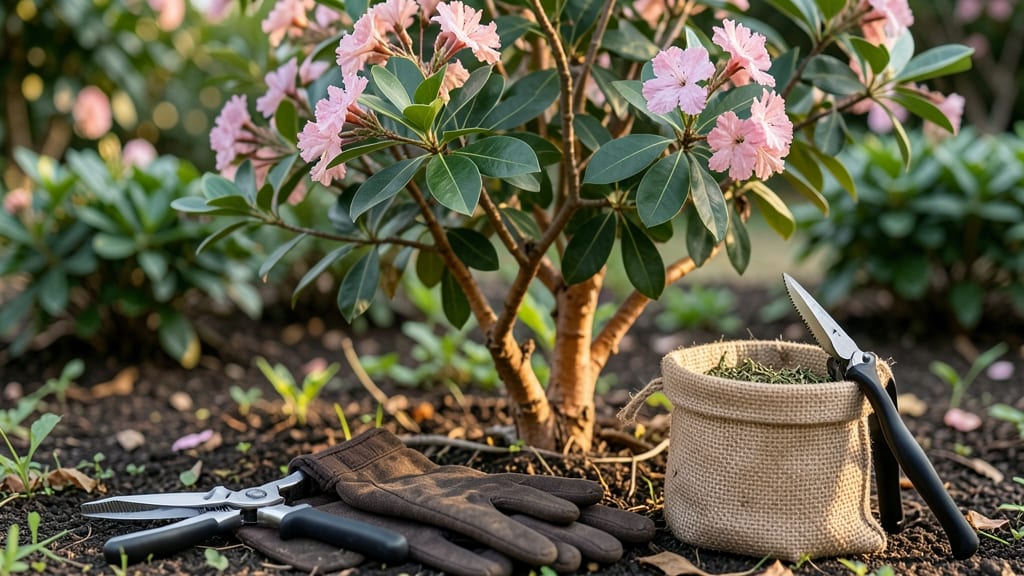
Late winter is the perfect time to prune this small crepe myrtle from leggy to lush. ✂️ I’ve pruned these trees for years, and the difference between a well-shaped specimen and a sad, sprawling mess comes down to a few key cuts made at the right time.
The goal isn’t just to clean up—it’s to encourage that dense, blooming canopy you love. You’ll need sharp pruners, a ladder (for taller trees), and about 30 minutes of focused work. Most homeowners over-prune, so we’ll focus on strategic cuts that promote health and flowers, not just aesthetics.
By spring, you’ll see fresh green growth where you made your cuts, and those summer blooms will be bigger and more abundant than ever. The tree will look fuller, healthier, and ready to put on its best show.
This method works for crepe myrtles under 10 feet tall, whether they’re young plants or mature trees that just need a refresh. Let’s get those branches looking intentional!
📚 In This Guide
- What you need
- Instructions
- Tips and common mistakes
- Wrapping up and next steps
What you need
- ● Pruning shears: Bypass pruners (sharp, clean, and disinfected with rubbing alcohol or bleach solution). Size: 6–8 inches for small branches.
- ● Loppers: For thicker branches (½–1½ inches in diameter). Look for: Long handles (24–36 inches) for leverage.
- ● Gloves: Heavy-duty, cut-resistant gloves (e.g., leather or synthetic blend) to protect hands from thorns and sharp edges.
- ● Disinfectant: 1 part bleach to 9 parts water (for sterilizing tools between cuts to prevent disease).
- ● Trash bags: Heavy-duty (2–3 gallon size) for collecting pruned branches and debris.
- ● Safety gear: Safety glasses (to shield eyes from debris) and long sleeves/pants (to avoid scratches).
- ● Ladder or step stool: Height: Stable and tall enough to reach the highest branches safely (3–6 feet, depending on tree size).
- ● Rake or broom: For clearing fallen leaves/debris from the work area.
- ● Pruning saw: For stubborn, thick branches (if loppers aren’t enough). Type: Curved or bow saw for precision.
- ● Extension pole pruners: For high branches without a ladder (10–12 feet reach).
- ● Tree wound dressing: Pruning sealant (controversial but useful for large cuts >2 inches in diameter).
- ● Marking spray: Temporary paint or tape to mark branches for removal (helpful for complex shapes).
- ● Work gloves with grip: For extra comfort if handling slippery or thorny branches.
- ● Check the weather: Prune on a dry, calm day (avoid wind or rain to prevent tool rust and ensure safety).
- ● Know your tree’s current shape: Sketch or mentally note branches to remove for balanced growth.
- ● Have a clean workspace: Lay down tarps or old sheets to collect debris easily.
- ● Confirm pruning time: Late winter (just before buds swell) is ideal for small crepe myrtles.
Instructions: pruning small crepe myrtle for perfect shape
Here's how I shape my crepe myrtles—timing and technique make all the difference.
⏰ Step 1: Wait for the Right Time to Prune
Prune your small crepe myrtle in late winter, right after the last hard frost but before new growth begins. This is usually February or early March in most climates. You'll know it's time when the plant is fully dormant—no leaves, no buds, just bare branches. Pruning too early risks cold damage, while waiting too long invites new growth that can be harmed by late frosts.
I always check the weather forecast first. If a cold snap is predicted within a week, I delay pruning. The goal is to give the plant a clean start before spring's energy kicks in. Never prune in fall—this invites disease and weakens the plant over winter.
✂️ Step 2: Remove Dead, Diseased, or Crossing Branches
Start by cutting out any dead, diseased, or broken branches—these are easy to spot as they're brown, brittle, or lack leaves. Use clean, sharp pruners to make a clean cut just outside the branch collar (that swollen area where the branch meets the trunk). This prevents unsightly stubs and helps the wound heal faster.
Next, remove branches that cross or rub against each other. These create wounds where pests and diseases can enter. Look for branches growing straight up—these are called "water sprouts" and should be cut back to just above a leaf bud or lateral branch. I always step back after this step to visualize the plant's natural shape.
☀️ Step 3: Shape the Canopy for Airflow and Light
Crepe myrtles bloom on new wood, so you can prune more aggressively than many trees. Aim to create an open, vase-like shape by cutting back 1/3 of the oldest stems to just above a strong lateral branch or leaf bud. This encourages new growth lower on the plant and prevents a bare trunk.
For small crepe myrtles (under 6 feet tall), I focus on thinning rather than topping. Avoid cutting into old wood—it won't regrow. Instead, make cuts just above a leaf bud that faces outward. This ensures the new growth fills in nicely and doesn't create a dense, shaded center. Step back often to check your progress.
🌱 Step 4: Clean Up and Encourage New Growth
After pruning, rake up and dispose of all clippings—never leave them on the ground, as they can harbor diseases. Sterilize your pruners with rubbing alcohol between cuts if you're working with diseased branches. Once finished, water the base of the plant deeply to help it recover from the stress of pruning.
In the weeks following, watch for new growth emerging from the pruned areas. This is your sign that the plant is responding well. If you see no new buds after 4-6 weeks, you may have pruned too aggressively. Next year, lighten up and focus on shaping rather than heavy cuts.
Tips & tricks for perfect crepe myrtle pruning
Timing and technique are everything when shaping these beauties—here's how to avoid common pitfalls.
Timing Secret: The late winter window (February or early March) is non-negotiable for small crepe myrtles. I've learned this the hard way—pruning too early risks frost damage to fresh cuts, while waiting too long lets the plant wake up prematurely. Check for fully dormant branches (no buds, no leaves) before you start. Pro tip: If your area gets unpredictable late frosts, wait until you have a solid week of above-freezing nights.
Tool Technique: Your pruners are your most important tool—keep them clean and sharp to make precise cuts. I sterilize mine between cuts with rubbing alcohol when dealing with diseased branches (Step 2). For the cleanest cuts, position your pruners just outside the branch collar (that swollen area where the branch meets the trunk). This prevents those ugly stubs that invite pests. And never use hedge trimmers—they tear rather than cut cleanly.
Visualization Hack: Step back after each major cut to visualize the plant's shape (this is especially important in Step 3). I imagine the crepe myrtle's natural vase shape and adjust until I see that open, airy silhouette. For small trees under 6 feet, focus on thinning rather than topping—cutting back 1/3 of the oldest stems creates that perfect balance. The goal is to see light through the center when you look at it from all angles.
Recovery Strategy: After pruning, deep water the base to help the plant recover from stress. I always check for new buds emerging within 4-6 weeks—if nothing appears, I know I pruned too aggressively next time. For extra care, apply a light layer of mulch around the base (but keep it 6 inches away from the trunk) to retain moisture and regulate soil temperature. This helps the plant focus its energy on new growth rather than recovery.
Pro Tips for Pruning Small Crepe Myrtle
- Timing and technique are everything when shaping these beauties—here's how to avoid common pitfalls.
- Timing Secret: The late winter window (February or early March) is non-negotiable for small crepe myrtles.
- Tool Technique: Your pruners are your most important tool—keep them clean and sharp to make precise cuts.
Frequently asked questions
Got questions about pruning your small crepe myrtle? You’re not alone! Here are answers to the most common concerns—from timing to troubleshooting—to help you prune like a pro.
When is the best time to prune a small crepe myrtle?
Late winter (just before buds swell) is ideal for heavy pruning, while light shaping can happen in early spring. Avoid pruning in fall or winter when the tree is dormant—this can expose it to cold damage. For small trees, a 10-15% annual reduction keeps them healthy without stress.
How often should I prune my crepe myrtle?
Prune annually for small trees to maintain shape and encourage blooms. Focus on removing dead, crossing, or weak branches first. If your tree is young (under 5 years), limit pruning to 1-2 times per year—over-pruning can stunt growth. Mature trees may only need light trimming yearly.
What if I prune too much? Can I fix it?
Over-pruning (cutting back more than 30% of foliage) can weaken the tree, reduce blooms, and even kill it in extreme cases. If you’ve overdone it, stop pruning immediately and focus on watering deeply and fertilizing lightly. New growth should return in spring—just avoid heavy cuts for a year.
Will pruning my crepe myrtle affect its flowers?
Pruning after flowering (late summer) can remove next year’s blooms, but late winter pruning encourages more flowers by promoting new growth. Always prune above a leaf node or bud to stimulate flowering. If your tree isn’t blooming, check for over-fertilization with nitrogen—it prioritizes leaves over flowers!
Can I use hedge trimmers instead of loppers?
For small crepe myrtles, hedge trimmers work for light shaping, but they’re not ideal for thick branches (over 1 inch). Use loppers or pruning saws for larger cuts to avoid tearing the bark. Always make clean cuts at a 45-degree angle just outside the branch collar for the best healing.
Wrapping up and next steps
Pruning your small crepe myrtle in late winter isn’t just about tidying up—it’s about unlocking their full potential for vibrant blooms and strong growth.
With the right tools, timing, and technique, you’ll transform your tree into a stunning focal point while keeping it healthy for years. Now’s the perfect time to roll up your sleeves and give your crepe myrtle the care it deserves!
Ready to see the difference? Grab your pruners and schedule that session before spring arrives. Your future blooming masterpiece starts with just a few strategic cuts—so why wait?