
Pruning
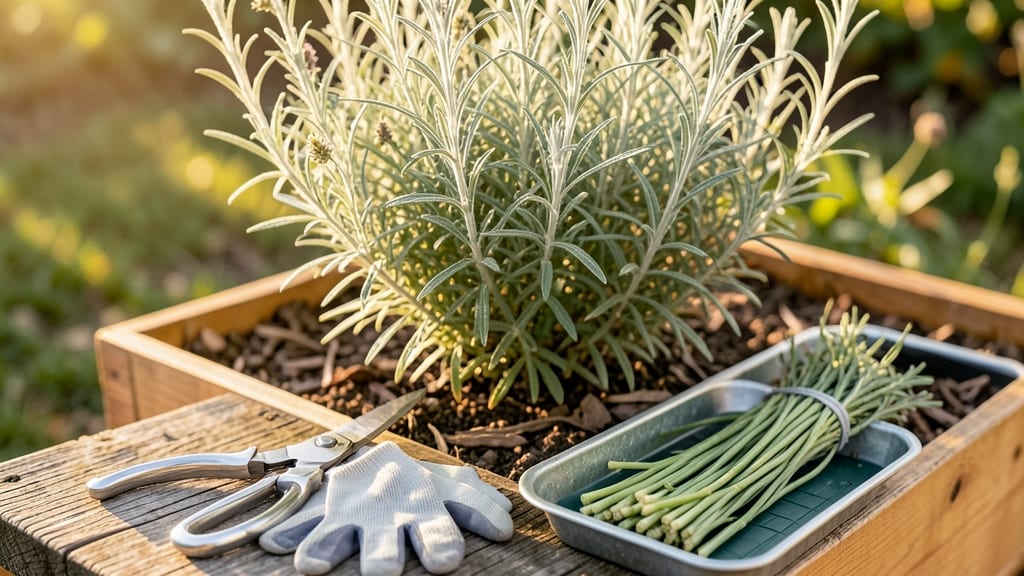
Pruning tarragon plants in early spring keeps them fragrant and productive for years. 🌿 I learned the hard way—skipping pruning turns tarragon into a woody stick with tiny leaves. The right cuts encourage lush, flavorful growth that’ll make your kitchen smell amazing all summer.
Start with clean, sharp pruners and cut just above a leaf node at a 45-degree angle. Avoid cutting into old, woody stems—tarragon hates that. Focus on shaping the plant while removing up to one-third of the growth each year.
The goal is to keep it bushy, not bald. After pruning, your tarragon will reward you with vibrant new shoots within 2-3 weeks. Harvest leaves regularly to encourage more growth, and fertilize lightly with compost tea. The smell of fresh tarragon leaves is worth every snip.
This method works for both French and Russian tarragon, whether grown in gardens or containers. Just remember: patience and precision pay off with bigger, better harvests.
📚 In This Guide
- What you need
- Instructions
- Tips and common mistakes
- Wrapping up and next steps
What you need
- ● Sharp, clean pruning shears – A bypass pruner (4-6 inch blades) is ideal to avoid crushing stems.
- ● Garden gloves – Protect your hands from thorns (if your tarragon has them) and sap.
- ● Disinfectant (70% isopropyl alcohol or bleach solution) – Clean tools before and after pruning to prevent disease.
- ● Compost bin or bag – For trimmings (tarragon decomposes well, but avoid over-fertilizing nearby plants).
- ○ Water spray bottle (optional but handy) – Dab wounds on stems to reduce moisture loss.
- ● Plant marker or label – If pruning for propagation, tag new cuttings with the date.
- ● Rooting hormone (for cuttings) – Boosts success if you’re growing new tarragon plants.
- ● Small container with water – For temporary storage of cuttings before rooting.
- ● Pruning saw (for woody stems) – Only needed if your tarragon is over 3 years old and stems are thick.
Step-by-step instructions for pruning tarragon plants
Tarragon thrives when pruned correctly—here's how to keep it bushy, fragrant, and productive all season.
✂️ Step 1: Prune After the First Harvest
Wait until your tarragon has grown 6-8 inches tall and developed 6-8 sets of leaves before your first pruning. This usually happens 6-8 weeks after planting or in early summer. Use clean, sharp pruning shears to cut just above a leaf node—this encourages new growth from that point. I always make cuts at a 45-degree angle to prevent water from pooling on the stem.
Remove any leggy or woody stems first—they won’t regrow well. You’ll see new shoots emerge within 2-3 weeks if you’ve cut at the right angle. Never prune more than ⅓ of the plant at once—this prevents stress and keeps the tarragon healthy.
✂️ Step 2: Maintain Shape Throughout the Growing Season
After the first pruning, keep your tarragon tidy by trimming once every 4-6 weeks during the growing season. Focus on shaping the plant by cutting back any stems that grow too long or look sparse. I like to trim the outer leaves first, working my way inward to maintain a full, rounded shape.
Watch for yellowing or damaged leaves—these should be removed immediately to prevent disease. Tarragon is sensitive to over-pruning, so stop when you’ve trimmed about 10-15% of the plant’s foliage. You’ll know you’ve done it right when the plant looks fuller and more compact.
✂️ Step 3: Prepare for Winter Dormancy
As fall approaches and temperatures drop below 50°F, reduce pruning to just removing dead or diseased foliage. Tarragon is a perennial in USDA zones 4-8, so it will regrow in spring—but a light trim now prevents winter damage. Cut back any stems that look brown or brittle, but leave the healthier, inner growth intact.
Mulch around the base with 2-3 inches of organic mulch (like straw or shredded leaves) to protect the roots from freezing temperatures. I always avoid heavy pruning in late fall because tarragon needs its energy reserves to survive winter. By spring, you’ll see fresh growth emerging from the base.
✂️ Step 4: Revive in Early Spring
Once temperatures warm to 55°F or above in early spring, give your tarragon a light trim to encourage new growth. Cut back any dead stems or leaves that didn’t survive winter, but avoid pruning more than 10% of the plant at once. This is the time to shape it for the season ahead.
You’ll notice new shoots emerging within 2-3 weeks—this is your signal that the plant is recovering. Tarragon grows slowly, so be patient. A light fertilizer application (like a balanced 10-10-10) can help jumpstart growth if the soil looks depleted.
Tips & tricks for pruning tarragon plants
Between us, I've killed more tarragon plants than I'd like to admit—usually by over-pruning or cutting at the wrong time. Here's what I've learned to keep these fragrant beauties thriving.
Timing is Everything: The 6-8 week wait before first pruning might feel long, but tarragon needs this time to establish a strong root system. I've found that pruning too early leads to leggy growth that never recovers. Wait until you see those 6-8 sets of leaves—this is your plant's way of saying "I'm ready!"
The 45-Degree Angle Secret: That angled cut isn't just for looks—it prevents water from pooling on the stem, which could cause rot. Practice makes perfect, but even a slightly angled cut works better than a straight cut. Think of it as creating a tiny roof over the cut to keep moisture away.
Seasonal Pruning Wisdom: When temperatures drop below 50°F, switch to minimal pruning only. I've seen tarragon plants completely stressed by heavy fall pruning—it's like asking someone to run a marathon after they've just had surgery. Let those inner growth buds survive the winter so you have a fresh start in spring.
Visual Growth Check: After your 2-3 week recovery period, look for new shoots emerging from the leaf nodes. These should appear within that timeframe if your cuts were made properly. If you don't see new growth, you might have cut too far down or pruned too aggressively.
Pro Tips for Pruning Tarragon Plant
- Between us, I've killed more tarragon plants than I'd like to admit—usually by over-pruning or cutting at the wrong time.
- Timing is Everything: The 6-8 week wait before first pruning might feel long, but tarragon needs this time to establish a strong root system.
- The 45-Degree Angle Secret: That angled cut isn't just for looks—it prevents water from pooling on the stem, which could cause rot.
Frequently asked questions
Got questions about keeping your tarragon thriving with the right pruning? Here are some common concerns—plus quick answers—to help you grow this aromatic herb like a pro.
When is the best time to prune tarragon?
Prune tarragon after harvest or in early spring (before new growth starts) to avoid stressing the plant. Avoid heavy pruning in late summer or fall—it can weaken the roots before winter. Light trimming to encourage bushiness is fine year-round, but major cuts should wait for spring!
How much should I cut back when pruning?
Never remove more than 1/3 of the plant’s height in a single session. For mature tarragon, aim to trim back about 6–12 inches from the top to promote dense, flavorful foliage. Use clean, sharp shears to avoid damaging stems—this keeps the plant healthy and encourages regrowth.
Can I prune tarragon in winter?
Light pruning in mild winter (if your climate allows) is okay, but avoid heavy cuts. Tarragon is semi-hardy and can handle light trims to shape it, but cold stress + pruning = risky. Wait until early spring (when new shoots appear) for the safest pruning time.
What if my tarragon looks leggy or sparse after pruning?
Leggy growth often means it needs more light or nutrients. Move it to a sunnier spot (6+ hours of light daily) and fertilize lightly with a balanced herb fertilizer. If the stems are woody, prune back harder in spring—tarragon can regenerate from the base if healthy!
Can I propagate tarragon from pruned cuttings?
Take 4–6 inch cuttings from healthy stems, strip the lower leaves, and root them in water or moist potting mix. Keep them warm and humid (like under a plastic bag) until roots form—usually in 2–4 weeks. Perfect for free herb clones!
Why is my tarragon dying after pruning?
Over-pruning, poor timing, or root damage are common culprits. If the plant wilts or turns yellow, it may be stressed. Reduce watering temporarily, ensure good drainage, and avoid pruning until new growth appears. If the base is mushy, it might be rot—repot with fresh soil and hold off on trimming.
Wrapping up and next steps
Pruning your tarragon plant is a simple yet rewarding task that keeps it thriving and flavorful! By following the right timing—spring or early summer—and techniques—like cutting back one-third of the plant and avoiding harsh pruning—you’ll encourage lush, fragrant growth.
With just a few snips, you’ll enjoy a bountiful harvest for months to come. 🌿✂️
Ready to give it a try? Grab your shears and get pruning! For even more tips, check out our guide on harvesting tarragon to make the most of your homegrown herb. Happy gardening! 🌱