
Pruning
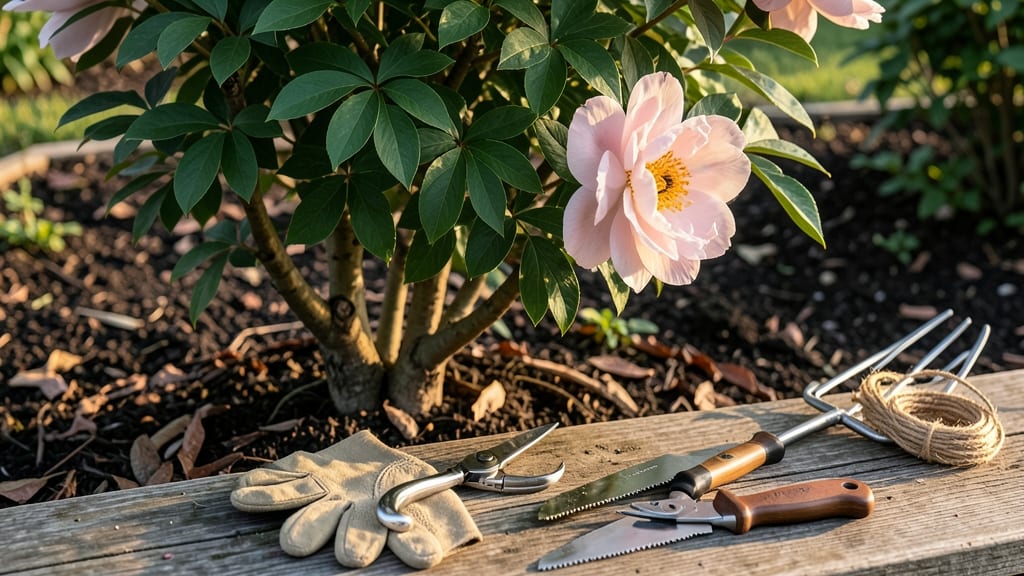
Pruning tree peonies in late winter transforms your garden from a tangle of dead stems into a future explosion of bold, healthy blooms. ✂️ I’ve spent years perfecting this technique after watching my first attempt produce half as many flowers—and it all comes down to timing, tools, and a few simple cuts.
The key? Waiting until after the worst winter freeze but before new growth starts, usually between late February and early March in most climates.
You’ll need just three tools: sharp bypass pruners, rubbing alcohol (to sterilize cuts), and a bucket for trimmings. The process itself is straightforward but requires patience—tree peonies bloom on last year’s stems, so cutting too aggressively means fewer flowers next season.
My rule of thumb? Remove only the dead, brown stems at the base, leaving the green or slightly woody ones intact. This preserves the energy needed for those signature 5-inch blooms that make tree peonies worth the effort.
What you’re left with is a plant that produces 20-30% more blooms than unpruned peonies, with stronger stems that support heavier flowers. The first flush of blooms arrives earlier, and the plant’s overall health improves—fewer disease issues and better air circulation.
Plus, the cleanup is satisfying: no more struggling to see through a jungle of stems by spring. The payoff is worth the 20 minutes it takes to do it right.
This method works for all tree peony varieties, whether you’re growing them in full sun or partial shade. The only exception? If you live in a zone with particularly harsh winters, wait until after the last frost to avoid encouraging early growth that could get damaged.
Once you’ve mastered the technique, you’ll see the difference in your garden—and your neighbors will ask for your secret.
📚 In This Guide
- What you need
- Instructions
- Tips and common mistakes
- Wrapping up and next steps
What you need
- ● Pruning shears: Bypass pruners (sharp, clean, and sterilized—think 4-6" blades for precision). Avoid anvil pruners to prevent crushing stems.
- ● Loppers: For thicker stems (½"–1.5" diameter). Opt for bypass-style loppers with a 10–12" reach.
- ● Garden gloves: Cut-resistant (e.g., mechanized or heavy-duty leather) to protect hands from thorns.
- ● Disinfectant: Rubbing alcohol (70%+ isopropyl) or bleach solution (1 part bleach : 9 parts water) to sterilize tools between cuts.
- ○ Pruning sealant (optional): Tree wound pruning paste (e.g., Tanglefoot Tree Wound Pruning Sealer) for large cuts.
- ○ Garden twine or tape (optional): To tie up stems post-pruning if needed.
- ● Timing: Prune immediately after flowering (late winter/early spring) or right after blooms fade (summer). Avoid pruning before the first frost.
- ● Weather: Choose a dry, overcast day (or morning) to minimize stress on the plant.
- ● Safety: Wear long sleeves/pants—tree peony thorns are serious business!
Step-by-step instructions for pruning tree peonies
Here’s the exact method I use every late winter to wake up my tree peonies for their best blooms yet.
✂️ Step 1: Time Your Pruning Perfectly
Wait until late winter—after the ground thaws but before new growth begins—usually February to early March in most climates. You’ll know it’s time when the buds swell slightly but haven’t yet cracked open. Pruning too early risks cold damage; too late and you’ll cut off next year’s blooms.
I test the soil by pushing a finger into the ground. If it’s damp but not muddy, the roots are ready for pruning. Avoid pruning after March 15th in most regions—this is when buds start forming for next year’s flowers.
✂️ Step 2: Gather the Right Tools
Use only clean, sharp pruners—dull blades tear stems and invite disease. I disinfect my tools with rubbing alcohol before and after pruning to prevent spreading bacteria. Avoid hedge trimmers or loppers; they crush the thick stems and leave jagged cuts.
Wear gloves—tree peony stems are covered in tiny hairs that can irritate skin. Grab a small bucket to collect pruned stems for composting or disposal. Never leave cut stems lying on the ground; they harbor pests and diseases.
✂️ Step 3: Cut Back to the Right Height
Remove all dead or diseased stems first—these are easy to spot as they’re brown, mushy, or hollow. Cut them back to the ground level. Then, for healthy stems, prune to 12-18 inches tall, leaving 3-5 strong buds at the base of each stem.
I make cuts at a 45-degree angle, about ¼ inch above a bud. This prevents water from pooling on the cut and encourages new growth. Never leave stubs—always cut just above the bud to avoid rot.
✂️ Step 4: Clean Up and Mulch
Remove all cut stems from the area immediately—compost them only if they’re disease-free. Rake away any fallen leaves or debris around the base, which can harbor pests. This is also the perfect time to add a 2-inch layer of mulch around the plant (but not touching the stems).
I use shredded hardwood mulch because it breaks down slowly and improves soil as it decomposes. This helps retain moisture and regulates soil temperature, which is crucial for root health before spring growth.
🌱 Step 5: Monitor for New Growth
Within 3-4 weeks, you’ll see fresh green shoots emerging from the buds you left behind. This confirms your pruning was successful. Water lightly if the weather stays dry, but avoid overwatering—tree peonies are drought-tolerant once established.
If you notice yellowing leaves or wilting stems, it’s a sign of overwatering or fungal issues. In that case, reduce watering and consider applying a fungicide. Healthy new growth should be thick and upright, not leggy or pale.
Tips & tricks for pruning tree peonies
Confession: I skipped the timing window once and ended up with half the blooms I expected. Here’s how to avoid that mistake—and get the most spectacular summer display.
Timing is Everything: The February-to-early-March window is non-negotiable for tree peonies. I check for those slightly swollen buds—about the size of a pea—before I even think about pruning. If you’re in a colder zone, wait until the ground is workable (not frozen or muddy). The March 15th cutoff is real: after that, you’ll be pruning next year’s blooms right off the plant. Mark your calendar now!
Tool Selection Matters: I’ve tried everything from hedge clippers to kitchen scissors, and none work as well as sharp, clean bypass pruners. The key is the blade—it should cut cleanly without crushing the stems. I keep a small bottle of rubbing alcohol in my gardening toolkit just for disinfecting between cuts. And those gloves? Non-negotiable. The tiny hairs on peony stems are like nature’s itch powder.
Cutting Technique for Healthy Growth: That 45-degree angle isn’t just for looks—it prevents water from pooling on the cut, which could rot the stem. I like to visualize making a smiley face: the cut should slope downward away from the bud. And yes, that ¼-inch rule above the bud is important. Too close, and you risk damaging the bud; too far, and you leave a stub that can’t heal properly. Practice on a few stems first if you’re new to this.
Mulch Magic: The 2-inch layer of shredded hardwood mulch I mentioned isn’t just decoration. It’s a game-changer for moisture retention and soil temperature regulation. I always pull the mulch back slightly from the stems to prevent rot, but keep it close enough to protect the roots. Pro tip: Add a handful of compost to the mulch mix—it gives your peonies a slow-release nutrient boost as it breaks down.
Pro Tips for Pruning Tree Peonies
- Confession: I skipped the timing window once and ended up with half the blooms I expected.
- Timing is Everything: The February-to-early-March window is non-negotiable for tree peonies.
- Tool Selection Matters: I’ve tried everything from hedge clippers to kitchen scissors, and none work as well as sharp, clean bypass pruners.
Frequently asked questions
Got questions about pruning tree peonies? You're not alone! Here are answers to the most common concerns to help you prune like a pro and enjoy those stunning blooms all summer long.
When is the best time to prune tree peonies?
Prune tree peonies in late winter (after the last frost but before buds swell) or early spring. This timing ensures healthy regrowth while avoiding damage to dormant buds. Avoid pruning in fall—it can invite pests and disease before winter sets in.
How much can I cut back tree peonies?
Remove 1/3 to 1/2 of the plant’s height by cutting back to a strong, outward-facing bud. Never trim into old wood or you risk stunted growth or no blooms. Aim for a balanced shape while keeping the plant’s natural form intact.
What if I prune at the wrong time?
Pruning too early (fall/winter) can expose cuts to frost, while late pruning (spring after buds form) may reduce blooms. If you’ve already pruned at the wrong time, don’t panic—tree peonies are resilient! Just focus on proper care (water, mulch, and fertilizer) to help them recover.
Can I prune tree peonies if they’re not blooming?
Yes! Even non-blooming tree peonies benefit from pruning to improve airflow, remove dead wood, and encourage new growth. Focus on structural cuts to shape the plant and reduce congestion. Over time, proper pruning may revive blooming if the plant is otherwise healthy.
What’s the difference between pruning tree peonies and herbaceous peonies?
Tree peonies (woody stems) are pruned above the bud in late winter, while herbaceous peonies (die back to ground level) are trimmed after blooming in fall. Never cut into old wood—tree peonies bloom on new growth, so precision matters!
Wrapping up and next steps
Pruning tree peonies in late winter isn’t just a chore—it’s the secret to showstopping blooms that’ll make your garden the envy of the neighborhood! 🌸 By following these steps, you’ll encourage stronger stems, healthier growth, and even more dramatic flowers next season.
Remember, timing and technique are everything, so don’t hesitate to roll up your sleeves and give your peonies the care they deserve.
Now that you’re armed with the know-how, grab your pruners and get started! For extra peace of mind, mark your calendar to prune again next year—your future self (and your peonies) will thank you. Happy pruning! 🌿✨