
Pruning
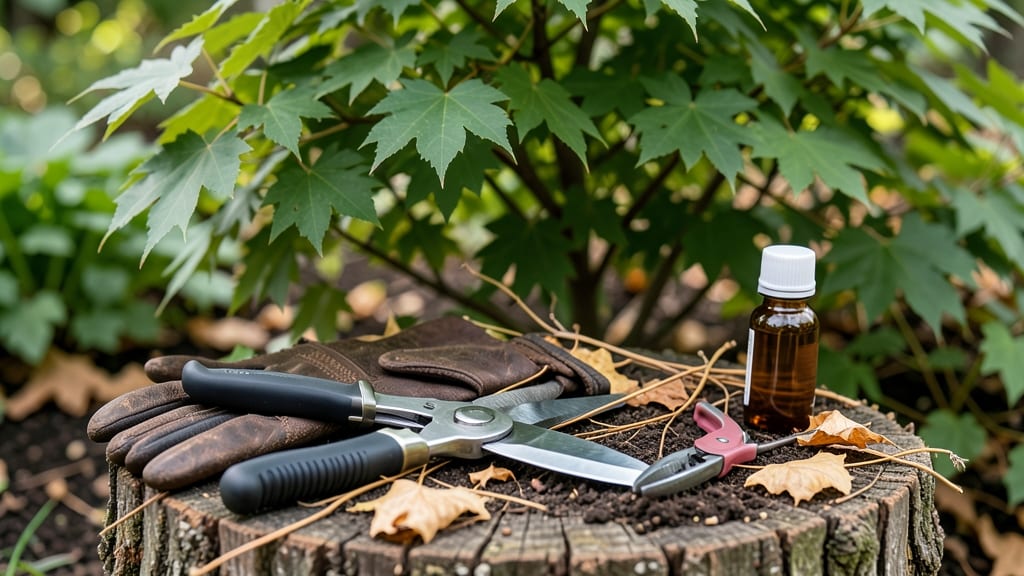
Late-winter pruning transforms your vine maple from a tangled mess into a stronger, more vibrant tree by the time spring arrives. ✂️ I’ve pruned mine every year since I moved in, and the difference in growth—and those stunning spring blooms—is night and day.
The key is cutting at the right time, with the right tools, and focusing on the right branches.
Timing is everything: prune while the tree is still dormant but before new growth begins, usually between late February and early March in most climates. You’ll need sharp bypass pruners, loppers for thicker branches, and a clean disinfectant to prevent spreading disease.
The goal? Remove deadwood, crossing branches, and any suckers or water sprouts that steal energy from the main structure.
What you’ll end up with is a neater, healthier tree that produces more flowers and stronger canes. Each cut should be made just above a bud or branch collar, at a 45-degree angle if you’re removing larger limbs.
The first-year results are noticeable—fewer leaf spots, better airflow, and a shape that actually complements your landscape.
This method works for both young trees and mature specimens, though older trees may need more aggressive rejuvenation cuts every few years.
The beauty of vine maple is that it responds well to pruning, so you won’t overdo it—just follow the natural growth patterns and avoid cutting more than 25% of the canopy in any single season.
📚 In This Guide
- What you need
- Instructions
- Tips and common mistakes
- Wrapping up and next steps
What you need
- ● Pruning shears: Bypass pruners (5–8 inch blades) for clean cuts on small to medium branches.
- ● Loppers: 18–24 inch with ratcheting or bypass blades for thicker canes (up to 2 inches in diameter).
- ○ Hand saw: Pruning saw with a curved blade for stubborn, larger branches (optional but handy for stubborn growth).
- ● Gloves: Heavy-duty, cut-resistant (e.g., leather or reinforced fabric) to protect your hands from thorns.
- ● Disinfectant: 70% isopropyl alcohol or rubbing alcohol (in a spray bottle) to sterilize tools between cuts and prevent disease spread.
- ○ Pruning sealant: Optional but recommended for cuts larger than ½ inch (e.g., Tanglefoot Tree Wound Pruning Seal or Ortho Pruning Sealer).
- ● Extension pole: Adjustable 6–10 ft with a pruner attachment for high branches (if needed).
- ● Bucket or bag: For collecting debris (a 5-gallon bucket or heavy-duty trash bag works well).
- ● Weather check: Choose a dry, calm day with temperatures above freezing (vine maples are dormant in late winter but vulnerable to frost damage).
- ● Safety glasses: Protect your eyes from debris (especially when using a saw).
- ● Long sleeves/pants: Wear lightweight, long-sleeved clothing to avoid scratches from thorns.
- ● Ladder (if needed): A stable, 3-section aluminum ladder rated for your height and weight (if branches are out of reach).
- ● Sharpener: A file or sharpening stone to keep tools in top condition (prevents jagged cuts).
Step-by-step guide to pruning vine maple for healthier growth
Late winter is the perfect time to shape your vine maple—here’s how I do it for vibrant canes and stunning spring blooms.
✂️ Step 1: Gather Your Tools and Safety Gear
Start with sharp, clean tools to make precise cuts that heal faster. I use bypass pruning shears for small branches and loppers for thicker canes over ½ inch in diameter. Always sanitize your tools with rubbing alcohol or a 10% bleach solution to prevent spreading disease between cuts.
Wear gloves—vine maple thorns are sharp, and the bark can irritate skin. I also grab a bucket for debris and a notebook to sketch the tree’s structure before cutting. This helps me visualize the shape I’m creating. Work on a dry day; wet branches are slippery and harder to handle.
✂️ Step 2: Remove Dead, Diseased, or Crossing Branches First
Scan the tree for dead wood (branches that snap when bent or have no green bark) and diseased limbs (mushrooms, discolored spots, or oozing sap). Cut these out first—they drain energy from healthy growth. Make your cuts just outside the branch collar (the swollen area where the branch meets the trunk) at a 45-degree angle to shed water away from the wound.
Next, look for branches rubbing against each other or growing inward. These crossing branches compete for sunlight and can create wounds where pests or disease enter. Remove the smaller of the two branches at its base. If both are equal in size, cut back the one growing upward to open the canopy to light.
✂️ Step 3: Thin Out Overcrowded Areas for Better Airflow
Vine maple thrives when its branches have room to breathe. Focus on the center of the tree and remove 20-30% of the oldest, thickest canes to reduce congestion. Start from the bottom and work upward—this opens the lower canopy to sunlight, encouraging new growth at the base.
Look for branches that grow straight up or downward; these often block light from reaching inner branches. Cut these at their point of origin. You’ll know you’ve done enough when you can see light filtering through the canopy. Avoid over-thinning—leave enough foliage to maintain the tree’s natural shape.
✂️ Step 4: Shape the Tree for Balance and Structure
Now’s the time to refine the tree’s form. Step back and imagine the vine maple’s natural vase shape—wider at the top, narrower at the bottom. Prune to enhance this silhouette by shortening overly long branches by one-third of their length. Use step cuts for larger branches: make the first cut 6-12 inches from the trunk, then cut downward to the branch collar to control the branch’s weight.
Pay attention to the tree’s dominant leader (the central upward-growing branch). If it’s weak or damaged, select one of the strongest lateral branches to become the new leader. Cut the old leader just above a bud facing the direction you want growth to go. This encourages a stronger, straighter structure.
⏰ Step 5: Clean Up and Apply Wound Dressing (If Needed)
Rake up all debris and dispose of it in a sealed bag—don’t compost pruned material if disease is suspected. For cuts larger than ½ inch, apply pruning sealant to protect against pests and rot. I prefer tree wound pruning paste because it’s easy to apply and dries clear. Smaller cuts don’t need sealing—they’ll heal faster with fresh air circulation.
Water the base of the tree deeply after pruning to help it recover. Avoid fertilizing right away; the tree needs time to focus on healing wounds. Monitor the pruned areas over the next 2-3 weeks for signs of stress (yellowing leaves or oozing sap). If you see these, reduce watering slightly and keep an eye out for pests.
Tips & tricks for pruning vine maple like a pro
These practical insights will help you prune your vine maple with confidence and precision.
Tool Selection Matters: For branches over ½ inch thick, loppers are essential—but make sure they're sharp! Dull blades tear wood instead of making clean cuts, which slows healing. I keep a small file in my tool bag to sharpen blades between uses. Remember, the cleaner the cut, the faster the tree recovers, especially during late winter when growth is just starting to wake up.
Visualizing the Canopy: Before making any cuts, step back and study the tree's structure from multiple angles. Sketching a rough outline in your notebook (as mentioned in Step 1) helps you visualize the final shape. Focus on creating a natural vase shape—this means removing branches that grow straight up or down, which block light from reaching inner branches. Think of it like sculpting: you're refining the tree's natural form, not forcing an unnatural shape.
Step Cut Technique: When pruning larger branches in Step 4, the step cut method is your best friend. First cut 6-12 inches from the trunk, then make your final cut downward to the branch collar. This prevents the remaining branch from tearing away under its own weight. I've seen too many pruning disasters from people skipping this step—it's worth the extra 30 seconds per cut to protect your tree's health.
Seasonal Timing Insight: Late winter pruning (as specified) gives your vine maple time to heal before spring growth begins. The tree's energy is focused on recovery rather than new leaf production. If you must prune in summer, do it early in the season and avoid removing more than 25% of the foliage to prevent stress. The 2-3 week monitoring period mentioned in Step 5 is especially important during late winter—watch for any signs of stress like yellowing leaves or sap oozing from cuts.
Pro Tips for Pruning Vine Maple
- These practical insights will help you prune your vine maple with confidence and precision.
- Tool Selection Matters: For branches over ½ inch thick, loppers are essential—but make sure they're sharp! Dull blade...
- Visualizing the Canopy: Before making any cuts, step back and study the tree's structure from multiple angles. Sketch...
Frequently asked questions
Got questions about pruning your vine maple? You’re not alone—this task can feel tricky, especially for beginners! Below, we’ve rounded up the most common questions to help you prune with confidence.
When is the best time to prune vine maple?
The ideal window is late winter to early spring, before new growth starts. This timing minimizes stress on the tree and promotes vigorous blooms. Avoid pruning in fall—it can stimulate tender growth that won’t survive winter. Pro tip: If you miss late winter, wait until early summer, but avoid heavy cuts then.
How much can I trim off without harming the tree?
Remove up to 25-30% of the canopy in a single session for healthy vine maples. Focus on thinning out crowded branches, dead wood, and crossing limbs. Never remove more than one-third of the foliage at once—this can stress the tree. For large branches, make cuts just outside the branch collar to prevent damage.
Do I need to sterilize my pruning tools?
Sterilizing tools with 70% isopropyl alcohol or a 10% bleach solution (1 part bleach to 9 parts water) prevents spreading diseases like bacterial leaf scorch or fungal infections. Wipe blades before and after pruning—especially if you’re working on multiple trees!
Can I prune vine maple in summer?
Light summer pruning is fine for shaping or removing a few small branches, but avoid heavy cuts. Summer pruning can stimulate water sprouts (weak, vertical shoots) and stress the tree. If you must prune, do it on a cool, overcast day to reduce water loss. Focus on dead or diseased branches first.
What if my vine maple isn’t blooming after pruning?
Lack of blooms usually means you pruned too late (after spring growth started) or removed too many flower buds. Vine maples bloom on old wood, so prioritize thinning over topping. If buds are gone, don’t panic—healthy trees often rebound. Fertilize lightly in early spring to support recovery.
Are there alternatives to traditional pruning?
Yes! For minimalists, try selective thinning—removing only the most crowded or crossing branches. Another option is pollarding (hard pruning back to a stub), but this is best for established trees and requires skill. Always research your tree’s growth habits first!
Wrapping up and next steps
Pruning your vine maple in late winter isn’t just about tidying up—it’s a power move for healthier canes, stunning blooms, and long-term vitality.
By following the right techniques, timing, and tools, you’ll encourage robust growth and prevent common pitfalls like over-pruning or disease. Now’s your chance to roll up those sleeves and give your tree the care it deserves!
Ready to see the difference? Mark your calendar for late winter (just before buds swell) and grab your pruners—your vine maple will thank you with lush foliage and vibrant flowers. 🌿✨