
Pruning
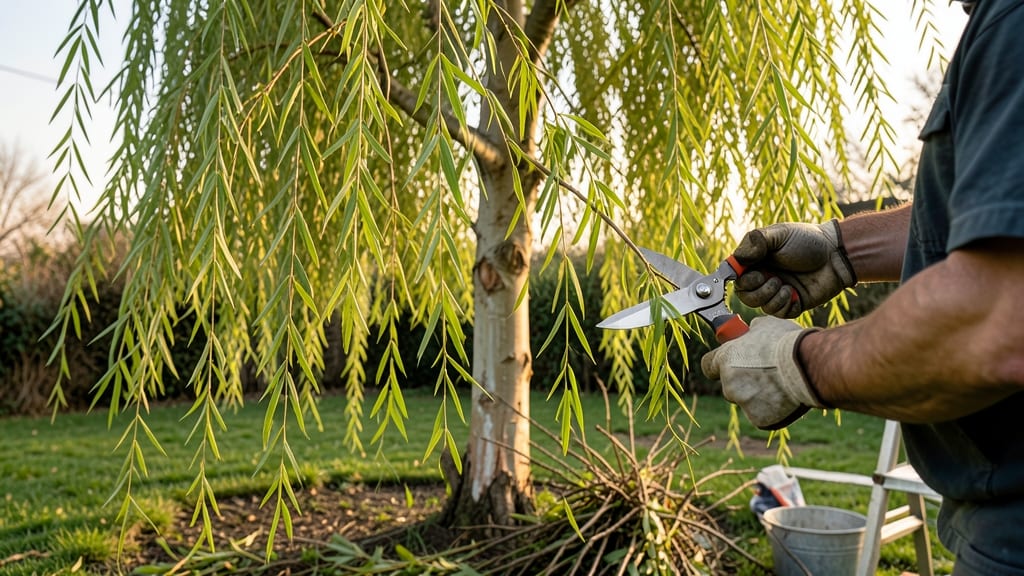
Pruning weeping willow trees isn’t just about trimming branches—it’s about giving them the chance to stretch their graceful limbs even longer. ✂️ I’ve learned the hard way that cutting at the wrong time or in the wrong way can turn those elegant cascades into tangled messes, but the right approach keeps them thriving for decades.
The secret lies in seasonal timing and strategic cuts that encourage healthy growth rather than stress.
You’ll need just a few basic tools: sharp loppers for thicker branches, pruning shears for finer cuts, and a sturdy ladder if your tree is tall. Safety first—wear gloves and eye protection, since willow branches can be sharp and the sap sticky.
The best time to prune is late winter or early spring, just as new growth begins, but you can also do light maintenance in summer to shape the canopy without shocking the tree.
Start by removing any dead, diseased, or crossing branches first—these are the weak points that can spread problems. Then, to encourage longer branches, make cuts just above an outward-facing bud, leaving the branch collar intact.
Avoid heavy pruning in fall, as it stimulates tender new growth that won’t survive winter. With the right cuts, your weeping willow will reward you with longer, fuller branches and fewer bare spots over time.
For beginners, start small—focus on just 10-20% of the tree’s branches in a single session. Experienced pruners can tackle more, but never remove more than a third of the canopy at once.
And here’s a pro tip: if you see water sprouts (those vertical shoots), snip them off at the base—they drain energy from your graceful, trailing branches. Patience and consistency are key to keeping your willow looking its best.
📚 In This Guide
- What you need
- Instructions
- Tips and common mistakes
- Wrapping up and next steps
What you need
- ● Pruning shears: Bypass pruners (for clean cuts on small branches, 5–8 inches long). Avoid anvil pruners—they crush instead of cut!
- ● Loppers: Long-handled (24–36 inches) for thicker branches (1–2 inches in diameter). Look for ratcheting or bypass-style for precision.
- ● Pruning saw: Curved-tooth or folding saw for branches over 2 inches thick. A bow saw is ideal for weeping willows.
- ● Ladder: Aluminum or fiberglass extension ladder (16–24 feet), sturdy enough to support your weight. Never stand on a wobbly ladder!
- ● Safety gear: Heavy-duty gardening gloves (waterproof, cut-resistant).
- ● Safety goggles (to shield against debris).
- ● Long sleeves and pants (to protect from scratches and thorns).
- ● Disinfectant: 70% isopropyl alcohol or pruning sealant (to sterilize tools between cuts and prevent disease spread).
- ● Heavy-duty trash bags: 3–5 bags (30–50 gallon) for collecting pruned branches and debris.
- ○ Rake or leaf blower: Optional but helpful for clearing fallen leaves and small branches post-pruning.
- ○ Tree wound dressing: Optional (only use if the tree has large wounds; otherwise, let it heal naturally).
- ● Best time to prune: Late winter or early spring (before buds swell) for dormant-season pruning. Avoid pruning in fall or summer.
- ● Weather check: Choose a dry, calm day (no rain or wind forecasted for 24 hours).
- ● Tree health assessment: Inspect the willow for diseased or dead branches before starting. Remove only 15–25% of the canopy in one session to avoid stressing the tree.
Step-by-step guide to pruning weeping willow trees
Here's how I keep my weeping willows lush and healthy—without sacrificing their graceful shape.
✂️ Step 1: Time Your Pruning for Optimal Growth
Late winter or early spring—just before new buds swell—is the best time to prune. This timing lets you shape the tree while it's dormant, preventing stress during the growing season. Avoid pruning in fall, as new growth won't harden off before winter. I mark my calendar for February or March in most climates, but wait until after the last frost to be safe.
If you must prune at another time, late summer is the next best option—but never prune in extreme heat or drought. You'll know it's the right time when you see tight, brown buds along the branches, signaling the tree is preparing to wake up.
✂️ Step 2: Remove Dead, Diseased, or Crossing Branches First
Start by inspecting the tree for dead wood—branches that are brittle, cracked, or lack leaves. Use clean, sharp pruning shears to make a smooth cut just outside the branch collar (the swollen area where the branch meets the trunk). This prevents unsightly stubs and promotes faster healing.
Next, look for branches rubbing against each other or growing inward. These "crossing branches" create weak points where disease can enter. Cut these back to the main trunk or a healthy lateral branch. I always work from the inside of the canopy outward to maintain the tree's natural shape while improving airflow.
✂️ Step 3: Thin Out Overcrowded Areas for Better Airflow
Weeping willows grow long, graceful branches, but over time, they can become dense. Selectively remove 10-20% of the oldest, thickest branches to reduce crowding. Focus on branches that are thinner than a pencil—these are easier to remove and encourage new growth. Cut them back to a healthy lateral branch or the main trunk.
Thinning improves sunlight penetration and reduces humidity inside the canopy, which prevents fungal diseases. You'll notice more sunlight reaching the lower branches after pruning, signaling better health for the entire tree. Avoid removing more than 25% of the canopy in one season—this stresses the tree and can lead to dieback.
✂️ Step 4: Shape the Canopy for Longer, Healthier Branches
To encourage longer, fuller branches, focus on selective pruning rather than heavy cutting. Trim back the tips of the longest branches by about one-third to promote bushier growth. Make your cuts just above a leaf bud or lateral branch, angled slightly away from the bud to prevent water from pooling.
For a more dramatic shape, you can also lift the canopy by removing lower branches that block sunlight from reaching the trunk. This prevents rot and encourages stronger growth at the base. Step back often to check your progress—you want the tree to look balanced and open, not hacked or stripped.
🌿 Step 5: Clean Up and Monitor for Recovery
After pruning, rake up and dispose of all debris to prevent disease. Sterilize your pruning tools with rubbing alcohol or a 10% bleach solution to avoid spreading pathogens. Water the base of the tree deeply to help it recover, especially if you pruned in dry conditions.
Watch for new growth in 4-6 weeks—this is your sign that the tree is healing well. If you see yellowing leaves, wilting, or excessive sap, you may have pruned too aggressively. In that case, reduce watering slightly and avoid further pruning until the tree stabilizes. A lightly pruned weeping willow should reward you with longer, healthier branches for years to come.
Tips & tricks for pruning weeping willow trees
These simple strategies will help you prune your weeping willow like a pro—keeping it healthy and stunning year after year.
Timing is Everything: The February or March window is ideal because the tree is dormant but about to wake up. If you prune too early, you risk frost damage; too late, and you stress the tree before it hardens off. I always double-check for tight, brown buds—they’re nature’s signal that it’s time. If you must prune outside this window, late summer works, but avoid extreme heat or drought conditions. The tree’s recovery depends on it.
Tool Prep Prevents Problems: Your pruning shears are your best friend, but only if they’re sharp and clean. Dull blades tear branches, creating wounds that invite disease. Before you start, sterilize your tools with rubbing alcohol or a 10% bleach solution—this is especially important if you’ve pruned other trees or plants recently. A clean cut heals faster and looks professional. I keep a small bottle of rubbing alcohol in my tool bag for quick sterilization between cuts.
Shape with Purpose: When you’re shaping the canopy in Step 4, think about the tree’s natural growth pattern. Weeping willows grow downward, so focus on lifting the canopy by removing lower branches that block sunlight from reaching the trunk. This not only prevents rot but also encourages stronger growth at the base. Step back often to check your progress—you want the tree to look balanced, not stripped or hacked. The goal is to enhance its graceful shape, not fight it.
Recovery Checklist: After pruning, don’t just walk away—monitor the tree’s progress. Watch for new growth in 4-6 weeks, which is your sign that everything is healing well. If you see yellowing leaves, wilting, or excessive sap, you may have pruned too aggressively. In that case, reduce watering slightly and give the tree time to stabilize. A lightly pruned weeping willow will reward you with longer, healthier branches for years to come.
Pro Tips for Pruning Weeping Willow
- These simple strategies will help you prune your weeping willow like a pro—keeping it healthy and stunning year after...
- Timing is Everything: The February or March window is ideal because the tree is dormant but about to wake up. If you ...
- Tool Prep Prevents Problems: Your pruning shears are your best friend, but only if they’re sharp and clean. Dull blad...
Frequently asked questions
Got questions about pruning your weeping willow?
You’re not alone! Here are some of the most common concerns—plus clear answers to help you prune like a pro.
When is the best time to prune a weeping willow?
The ideal window is late winter or early spring (just before buds swell) or summer after flowering. Avoid pruning in fall—it encourages new growth that won’t harden off before winter. Pro tip: If you must prune in summer, do it in early July to minimize stress on the tree.
How much can I trim off without harming the tree?
Weeping willows are resilient, but avoid removing more than 25–30% of the canopy in one season. Heavy pruning can stress the tree and attract pests. Focus on shaping rather than drastic cuts. For mature trees, spread pruning over 2–3 years if needed.
Should I seal pruning cuts on a weeping willow?
No!
Sealing cuts with paint or sealant can trap moisture and promote rot. Weeping willows heal naturally when pruned correctly. Just use clean, sharp tools and make cuts at a 45-degree angle just outside the branch collar.
Why is my weeping willow leaking sap after pruning?
Sap bleeding is normal for 1–2 weeks post-pruning, especially in early spring. It’s the tree’s way of healing. If the flow is heavy or persistent beyond 2 weeks, check for diseased or dead wood—remove and dispose of it properly. Keep the area dry to prevent fungal issues.
Are there alternatives to pruning if my willow looks overgrown?
If pruning feels overwhelming, consider selective thinning to improve airflow and light penetration. You can also top the tree lightly (but avoid aggressive topping, which causes weak regrowth). For extreme cases, consult an arborist—they can guide you on gradual, tree-friendly solutions.
Wrapping up and next steps
Pruning your weeping willow doesn’t have to be intimidating—it’s all about timing, technique, and a little patience. 🌿 By following seasonal guidelines and using the right tools, you’ll encourage a lush, healthy canopy while keeping your tree safe and thriving.
Whether you’re trimming for shape, safety, or growth, your efforts will pay off in stunning, long-lasting branches!
Ready to take the next step? Grab your pruners, mark your calendar, and start planning your cuts! 📅 For extra confidence, watch a quick tutorial or consult a local arborist before diving in.