
Trees
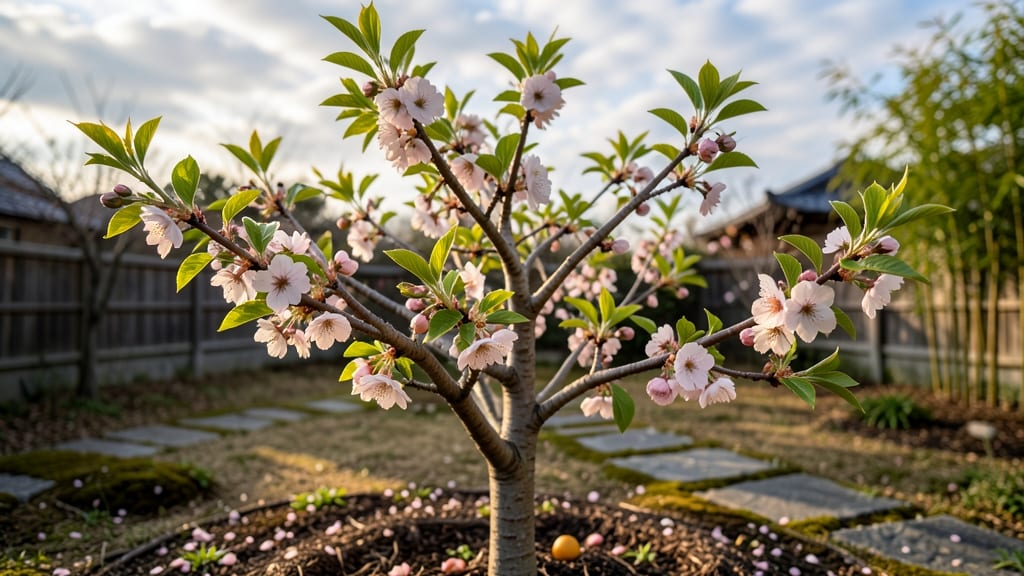
Growing a Prunus mume—that fragrant, blossom-covered Japanese apricot—means waking up to the sweetest scent in winter. 🌸 This tree isn’t just a showstopper with its early spring flowers; it gives you fruit too, though it’s tart and best for jams or preserves.
The key to keeping it happy lies in understanding its love for cold winters and warm summers, plus a few tricks to handle its quirks.
Start with the right spot: full sun and well-draining soil, preferably slightly acidic. If your winters are mild, choose a variety like 'Bungo' that thrives in zones 6-9. Plant in early spring or fall, giving it room to grow—these trees can reach 15-25 feet tall.
Mulch around the base to protect roots from temperature swings, and water deeply but infrequently once established. Overwatering is the fastest way to kill it.
Pruning is where the magic happens. In late winter, before buds swell, cut out dead or crossing branches to keep the tree open and airy. This also encourages those spectacular blooms you’re after.
Watch for aphids and scale insects—they love the sap—but a strong spray of water usually sends them packing. If you live in a humid area, keep an eye out for fungal diseases like powdery mildew and treat it early with neem oil.
Seasonal care is simple but critical. In winter, the blooms are your reward for patience—just don’t prune then, or you’ll cut off next year’s flowers. Summer means regular checks for pests and enough water to keep the soil moist but not soggy.
With the right balance, your Prunus mume will reward you with years of fragrant blooms and a touch of edible bounty. Start small, and you’ll be hooked.
📚 In This Guide
- What you need
- Instructions
- Tips and common mistakes
- Wrapping up and next steps
What you need
- ● Prunus mume tree: 1 bare-root sapling (3–5 ft tall) or container-grown tree (for immediate planting)
- ● Tip: Choose a grafted variety (e.g., ‘Bungo’, ‘Fugen’) for reliable blooms and fruit!
- ● Soil amendments (if needed): 5–10 lbs well-draining potting mix (for containers) or compost (for in-ground planting)
- ● 1 lb perlite or sand (to improve drainage, critical for Japanese apricots!)
- ● Fertilizer: 1 lb balanced 10-10-10 fertilizer (spring) or citrus-specific fertilizer (for acid-loving varieties)
- ● Planting tools: 1 shovel or trowel (for digging)
- ● 1 pruning shears (sterilized with rubbing alcohol)
- ● 1 garden hose or watering can (with a fine rose nozzle)
- ● Mulch: 2–3 inches of organic mulch (e.g., wood chips, straw—keep 6+ inches from trunk!)
- ○ Protective gear (optional but recommended): 1 pair gardening gloves
- ● 1 lightweight spray bottle (for misting in dry climates)
- ● Climate suitability: USDA Zones 6–9 (can tolerate brief dips to 10°F with protection)
- ● Pro tip: If in Zone 5 or colder, plant in a container for winter relocation!
- ● Sunlight: Full sun (6+ hours/day)—partial shade may reduce blooms.
- ● Water source: Access to drip irrigation or a consistent watering schedule (especially during dormancy).
Step-by-step year-round care for your Prunus mume Japanese apricot
This is the method I’ve used to keep my Japanese apricot thriving through all seasons—fragrant blooms in winter and fruit in summer.
🌿 Step 1: Plant in Well-Draining Soil and Full Sun
Prunus mume needs full sun—at least 6 hours daily—to produce its signature fragrant flowers and fruit. Choose a location with well-draining soil; these trees hate soggy roots. If your soil is heavy clay, mix in 1-2 inches of compost and a layer of gravel at the bottom of the planting hole to improve drainage.
Dig a hole twice as wide as the root ball but no deeper. Place the tree so the graft union (the bump near the base) sits 2-3 inches above soil level. This prevents rot. Backfill with native soil, firming gently to remove air pockets. Water deeply to settle the soil—you’ll know it’s right when moisture reaches 6 inches down.
☀️ Step 2: Water Deeply and Mulch for Winter Protection
Water your Japanese apricot deeply once a week during the first growing season, ensuring moisture reaches 12 inches down. After establishment, it’s drought-tolerant but still appreciates deep watering during dry spells. In winter, reduce watering but keep the soil slightly moist—not soggy, just damp—to prevent root stress.
Apply 3-4 inches of organic mulch around the base, keeping it 6 inches away from the trunk. I use shredded bark or pine needles, which also help insulate roots in cold climates. Replenish mulch annually in early spring to maintain protection.
✂️ Step 3: Prune for Shape and Airflow After Flowering
The best time to prune is right after fruiting, in late spring or early summer. Remove any dead, crossing, or weak branches first—these are easy to spot because they’re brown, brittle, or growing inward. Next, thin out crowded branches to improve airflow, which reduces disease risk. Aim for an open, vase-like shape to encourage sunlight penetration.
Never prune in fall or winter—this tree blooms on old wood, and cutting back now removes next year’s flowers. If you must shape lightly, do it in late winter before buds swell, but keep cuts minimal. Sterilize your pruners with rubbing alcohol between cuts to prevent bacterial spread.
🌱 Step 4: Fertilize Lightly in Early Spring and Fall
Feed your Prunus mume in early spring (just as buds swell) with a balanced, slow-release fertilizer (10-10-10 or similar). Use about ½ cup per year of tree age, spread evenly over the root zone. Water deeply after applying to help nutrients penetrate the soil.
Skip summer fertilizing—this tree doesn’t need it, and excess nitrogen now can lead to weak growth or fewer flowers. In late fall, add a low-nitrogen fertilizer (like 5-10-10) to support root development over winter. Always follow package instructions for application rates.
⏰ Step 5: Protect from Late Frosts and Pests Year-Round
Japanese apricots bloom in late winter, making them vulnerable to late frosts. Cover young trees with frost cloth on cold nights, securing it loosely to allow airflow. Once buds open, remove the cloth immediately—even a light frost can damage flowers and reduce fruit set.
Watch for aphids and scale insects, which love the sap of Prunus mume. I spray a soapy water solution (1 tsp mild dish soap per gallon of water) on the undersides of leaves if I see sticky residue (honeydew). For severe infestations, use horticultural oil in late fall or early spring when pests are dormant.
Tips & tricks for perfect Prunus mume Japanese apricot care
Here's what nobody tells you about keeping your Japanese apricot thriving through every season.
Location is Everything: That 6 hours of full sun isn't just a suggestion—it's non-negotiable for those signature fragrant blooms. I've seen trees in partial shade produce half as many flowers. If your yard has afternoon shade, consider planting near a south-facing wall that reflects sunlight back to the tree. The graft union placement (2-3 inches above soil) is also critical—this prevents rot that can kill your tree before it even matures.
Watering Wisdom: The deep watering rule (12 inches down) might seem excessive, but it encourages deep root growth. I test soil moisture by sticking my finger in—if the top 2 inches are dry, it's time to water. In winter, that "slightly moist" requirement is key: too dry causes stress, too wet invites root rot. A moisture meter helps here, especially if you're unsure.
Pruning Precision: Those late spring/early summer pruning instructions are golden, but here's the secret: prune on a dry day. Wet branches make it harder to see dead wood, and you'll accidentally cut healthy growth. Also, sterilize your tools between cuts—it's the best way to prevent bacterial spread that can ruin your tree's health. I keep rubbing alcohol in my tool shed just for this purpose.
Fertilizer Timing: That ½ cup per year of age measurement is perfect for spring, but here's what I do differently: I split the dose into two applications—half when buds first swell, and the rest 4-6 weeks later. This gives your tree a steady nutrient supply without overloading it. And remember, fall fertilization should be low-nitrogen to avoid encouraging late-season growth that won't harden off before winter.
Pro Tips for Prunus Mume Japanese Apricot
- Here's what nobody tells you about keeping your Japanese apricot thriving through every season.
- Location is Everything: That 6 hours of full sun isn't just a suggestion—it's non-negotiable for those signature fragrant blooms.
- Watering Wisdom: The deep watering rule (12 inches down) might seem excessive, but it encourages deep root growth.
Frequently asked questions
Got questions about growing Prunus mume (Japanese apricot)?
You're not alone! Here are some of the most common queries—plus practical answers to keep your tree thriving year-round.
When is the best time to plant a Japanese apricot tree?
The ideal planting window is late fall to early winter (November–February in most U.S. zones 6–9). This gives roots time to establish before spring growth. If planting in spring, do it before buds swell (early March–April). Avoid summer heat, which stresses young trees.
How cold-hardy is Prunus mume, and can it survive winter?
Japanese apricots are hardy to USDA zones 6–9, tolerating temps down to –10°F (–23°C). However, young trees or late blooms may suffer frost damage. Protect tender buds with frost cloth or plant in sheltered spots. Pruning after flowering (not before!) helps avoid winter dieback.
Why isn’t my Japanese apricot tree producing fruit?
Common culprits include:
- Age: Trees need 3–5 years to bear fruit.
- Pollination: Most varieties are self-fruitful, but cross-pollination boosts yields. Plant a second tree nearby if needed.
- Pruning timing: Heavy pruning after flowering (not before!) preserves fruit buds.
- Nutrients: Soil low in phosphorus or zinc? Test soil and amend with compost or fertilizer.
Are Japanese apricots edible, and how do I harvest them?
Yes! Ripe fruit is sweet-tart and aromatic, but it must be fully colored and slightly soft (October–November in most regions). Harvest by twisting gently or cutting stems—don’t pull to avoid damaging branches. Store in a cool, dry place for 2–3 weeks or use fresh in jams, teas, or pickles.
My leaves are yellowing or dropping—what’s wrong?
Yellowing leaves often signal:
- Overwatering: Check soil moisture—Prunus mume prefers well-draining soil. Let top 2 inches dry between waterings.
- Nutrient deficiency: Yellowing between veins? Add iron or nitrogen. Brown edges? It’s likely underwatering.
- Pests/disease: Inspect for aphids, scale, or fungal spots. Prune affected areas and treat with neem oil or fungicide if needed.
Pro tip: Mulch with wood chips to retain moisture and deter pests!
Wrapping up and next steps
Cultivating Prunus mume—the fragrant Japanese apricot—is a rewarding journey that blends beauty, resilience, and a touch of tradition. 🌸 From its delicate blossoms to its unique fruit, this tree thrives with the right care, whether you're a seasoned gardener or just starting out.
Remember, patience and consistency are key: prune with care, protect from pests, and let its natural rhythm guide you through the seasons.
Ready to bring this stunning tree into your landscape? Start small—plant one now and watch it flourish! Whether you're drawn to its winter blooms or its culinary potential, the Japanese apricot offers a year-round gift for your garden. Happy growing! 🌱