
Picking
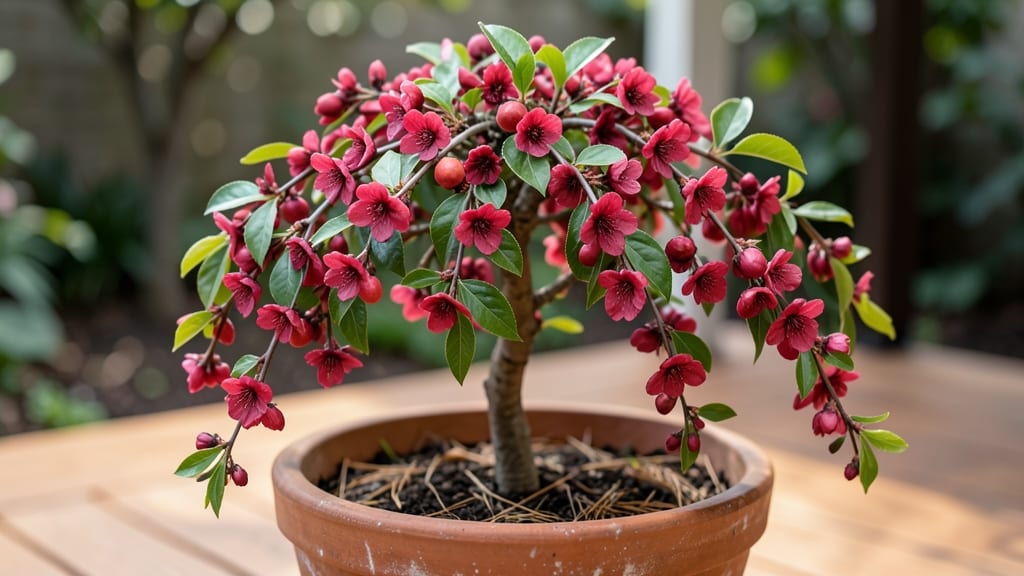
My Prunus persica 'Crimson Cascade' weeping peach tree has become the star of my small backyard patio—its delicate pink blooms spill over like a waterfall, and the dwarf habit makes it perfect for containers or tight spaces. 🌸 The secret to keeping it thriving (and producing fruit) lies in year-round pruning, not just the annual cleanup.
Most gardeners stop after winter, but this tree rewards consistent care with lush, cascading growth that stays manageable even in pots.
This isn’t your average peach tree—it’s a dwarf cultivar bred for ornamental value, but with the right approach, you’ll get edible fruit too. It thrives in USDA Zones 5-9, but needs full sun (6+ hours daily) and well-draining soil (amend heavy clay with compost).
The dwarf rootstock keeps it under 6 feet tall, but those branches can stretch 8-10 feet wide, so pruning isn’t optional—it’s how you shape that graceful weeping habit.
Start with sterilized pruners and a sharp saw for thicker branches, and always cut just above a bud or lateral branch.
What sets this tree apart is its continuous growth cycle—you’ll prune lightly after flowering to encourage fruit set, then again in late summer to prevent overcrowding, and once more in winter to remove dead wood. The payoff?
A tree that looks like a living sculpture all year, with sweet, juicy peaches in late summer (if pollinated). Even in containers, it handles the job—just use a 15-gallon pot with drainage holes and repot every 2-3 years.
The key is balancing form and function: prune for shape, but never sacrifice too much foliage, or you’ll lose those cascading branches.
Here’s where most growers trip up: over-pruning in winter kills next year’s blooms, while skipping summer pruning leads to dense, unruly growth. I learned that the hard way—my first tree looked like a tangled mess until I adopted a 3-season pruning schedule.
The tree also needs consistent moisture (1-2 inches per week) and protection from late frosts (cover blooms if temps dip below 28°F).
With this approach, you’ll end up with a compact, productive peach tree that’s as beautiful as it is useful—whether you’re growing it for fruit, flowers, or just that dramatic, weeping silhouette.
📚 In This Guide
- What you need
- Instructions
- Tips and common mistakes
- Wrapping up and next steps
What you need
- ● Pruning shears: Bypass pruners (sharp, 6–8" blade) for clean cuts on small branches.
- ● Loppers: 1 pair (8–12" blade) for thicker branches (½"–1" diameter).
- ● Pruning saw: Curved-tooth saw for branches >1" thick.
- ● Disinfectant: 70% isopropyl alcohol or 10% bleach solution (1 part bleach to 9 parts water) to sterilize tools between cuts.
- ● Garden gloves: Heavy-duty, cut-resistant (e.g., Mechanix or Wolverine).
- ● Twine or rubber tree ties: ¼" wide, for supporting new growth.
- ○ Pruning sealant (optional): Wound dressing for large cuts (>½" diameter).
- ● Weather: Prune on a dry, calm day (avoid frost or extreme heat).
- ● Safety gear: Closed-toe shoes and long sleeves (thorny branches!).
- ● Cleanup supplies: Heavy-duty trash bags (for debris) and a rake or broom.
- ● Water & snacks: Hydration breaks are a must—this can take a while!
- ● 🔥 Sterilize tools before and after pruning to prevent bacterial/fungal spread.
- ● ✂️ Cut at a 45° angle just above a bud or branch collar for faster healing.
- ● 🌡️ Timing matters: Light pruning every 3 months; heavier cuts in late winter (before buds swell).
Step-by-Step pruning guide for Prunus persica 'Crimson Cascade'
Transform this stunning dwarf peach into a cascading masterpiece with seasonal pruning that encourages lush, compact growth.
✂️ Step 1: Late Winter Dormant Pruning (Before Bud Break)
Start when the tree is fully dormant but before first buds swell—typically February to early March in most climates. Remove any dead, crossing, or diseased branches first using sharp, clean pruners. You'll notice these as dry, brittle wood or limbs rubbing against each other.
Cut back to an outward-facing bud or lateral branch to maintain an open center. For 'Crimson Cascade', aim to remove 20-30% of total growth—this stimulates new, bushier growth. I like to shape the tree into a rounded vase form, allowing the cascading branches to develop naturally from the sides.
☀️ Step 2: Post-Bloom Summer Pruning (After Fruit Set)
Wait until 6-8 weeks after flowering when fruit has set but before summer heat stress. Thin out any overly vigorous shoots that are growing inward or upward—these compete with the cascading branches. You'll see these as straggly, vertical growths with sparse leaves.
Reduce branch length by one-third to one-half at a lateral bud to encourage bushier growth. This is also the time to remove any suckers from the base. I always sanitize my tools with rubbing alcohol between cuts to prevent disease spread—especially important for fruit trees.
🌿 Step 3: Light Fall Maintenance (Before Dormancy)
Perform a final light pruning in late September to early October, just before the tree enters dormancy. Remove any dead or diseased wood that appeared during the growing season. You'll spot these as brown, crumbly branches or those with fungal growth.
Thin out crowded areas to improve air circulation—this prevents fungal diseases that thrive in humid conditions. For 'Crimson Cascade', I focus on maintaining the cascading habit by selectively pruning the longest branches. Never remove more than 10% of the canopy this late in the season.
⏰ Step 4: Year-Round Monitoring and Adjustments
Check your tree monthly for any vigorous water sprouts or branches growing in the wrong direction. These should be pruned back immediately to ¼ inch above a lateral bud. The key is to maintain that open, airy structure that allows sunlight to penetrate to the inner branches.
For 'Crimson Cascade', I make small adjustments throughout the year to encourage the cascading habit. If a branch starts growing upright, I'll cut it back to a lower lateral branch. This creates that beautiful, weeping effect that makes this cultivar so special. Always use clean, sharp tools to make precise cuts at a 45-degree angle just above a bud.
Tips & tricks for perfect Prunus persica 'Crimson Cascade' pruning
Mastering the art of pruning this dwarf peach tree takes patience and precision—here's how to avoid common pitfalls while maximizing that stunning cascading form.
Tool Preparation: Never skip sanitizing your pruners between cuts, especially when working with fruit trees. I use rubbing alcohol on a clean cloth between each branch to prevent spreading bacterial or fungal diseases that can compromise the tree's health. Sharp tools make cleaner cuts that heal faster—dull blades tear wood, creating larger wounds that invite infection. For the 'Crimson Cascade', I also like to use bypass pruners for larger branches to ensure smooth cuts at the precise 45-degree angle mentioned in Step 4.
Seasonal Timing Secret: The February-to-March window for dormant pruning (Step 1) is critical—it's the only time you can see the tree's true structure without leaves obscuring the view. I mark my calendar with the first frost date and schedule pruning for 4-6 weeks after that. For summer pruning (Step 2), I wait until I can see the fruit set clearly but before temperatures consistently exceed 85°F, as heat stress makes the tree more vulnerable to shock from pruning.
Visual Pruning Cues: When reducing branches by one-third to one-half (Step 2), look for the point where the branch narrows naturally—this is your lateral bud target. I find it helpful to hold the branch at eye level and imagine the tree's ideal vase shape. For the cascading effect, prioritize cutting back any vertical growth that would compete with the natural weeping habit. The goal is to create a balanced silhouette where sunlight can reach all branches evenly.
Fall Pruning Wisdom: That 10% canopy rule in Step 3 is non-negotiable—over-pruning in fall can stimulate late-season growth that won't harden off before winter. I focus on removing only the most problematic branches: those with fungal growth, dead wood, or those growing directly into the center. For the 'Crimson Cascade', I make these cuts slightly higher than I would in summer to maintain the cascading shape while still encouraging new growth in spring.
Pro Tips for Prunus Persica Crimson Cascade
- Mastering the art of pruning this dwarf peach tree takes patience and precision—here's how to avoid common pitfalls while maximizing that stunning cascading form.
- Tool Preparation: Never skip sanitizing your pruners between cuts, especially when working with fruit trees.
- Seasonal Timing Secret: The February-to-March window for dormant pruning (Step 1) is critical—it's the only time you can see the tree's true structure without leaves obscuring the view.
Frequently asked questions
How often should I prune my Crimson Cascade peach tree?
Prune your Prunus persica 'Crimson Cascade' 3-4 times a year for optimal dwarf growth: lightly after harvest, heavily in late winter/early spring (before buds swell), and maintenance trims in summer to shape and remove dead wood. Avoid over-pruning—this variety thrives on structured, minimal cuts to encourage dense branching.
Can I prune during winter when it’s cold?
Yes, but time it right! Prune in late winter (just before buds break) when temps are above freezing (32°F/0°C) to minimize stress. Avoid heavy pruning in deep freeze—wait until dormancy is nearly over (check your local frost dates). If you must prune in cold snaps, do so on mild, sunny days to help wounds heal faster.
Why aren’t my Crimson Cascade peaches ripening?
Several factors could be at play: insufficient sunlight (6+ hours daily), over-fertilizing with nitrogen (prioritize balanced NPK), or lack of pollination. Try thinning fruit to reduce strain, hand-pollinate flowers with a soft brush, or plant a second dwarf peach variety nearby. Check for pests (aphids, mites) too—they sap energy from the tree!
What’s the best way to sterilize pruning tools for Crimson Cascade?
Sterilizing tools prevents bacterial/fungal spread (like brown rot). After each use, wipe blades with rubbing alcohol (70%+) or bleach solution (1 part bleach to 9 parts water). For deep cleaning, scrub with a wire brush, then rinse thoroughly. Store tools in a dry, shaded spot to avoid rust. Pro tip: Label tools with a permanent marker to track which ones are used on peaches!
Are there alternatives to Crimson Cascade for small spaces?
If space is tight, consider these dwarf peach varieties:
- Bonanza: Cold-hardy, self-pollinating, and reliable producer.
- Redhaven (dwarf grafted): Classic flavor, but needs another variety for pollination.
- Springcrest: Disease-resistant and early bloomer.
- Contender: Freestone type (easy pit removal) and compact.
All thrive in containers if given well-draining soil and full sun.
Wrapping up and next steps
Mastering the art of year-round pruning for your Prunus persica 'Crimson Cascade' isn’t just about maintenance—it’s about unlocking its full potential! With the right tools, timing, and techniques, you’ll enjoy a dwarf, lush peach tree bursting with vibrant blooms and sweet fruit. Whether you’re a seasoned gardener or just starting, every trim brings you closer to that wow-worthy centerpiece for your garden.
Ready to take the next step? Start small:
- 📅 Bookmark your pruning calendar for early spring and late winter.
- 🛒 Gather your tools and supplies (you’ve got this!)
- 🌱 Observe your tree’s growth—adjust as you go!