
Aphids
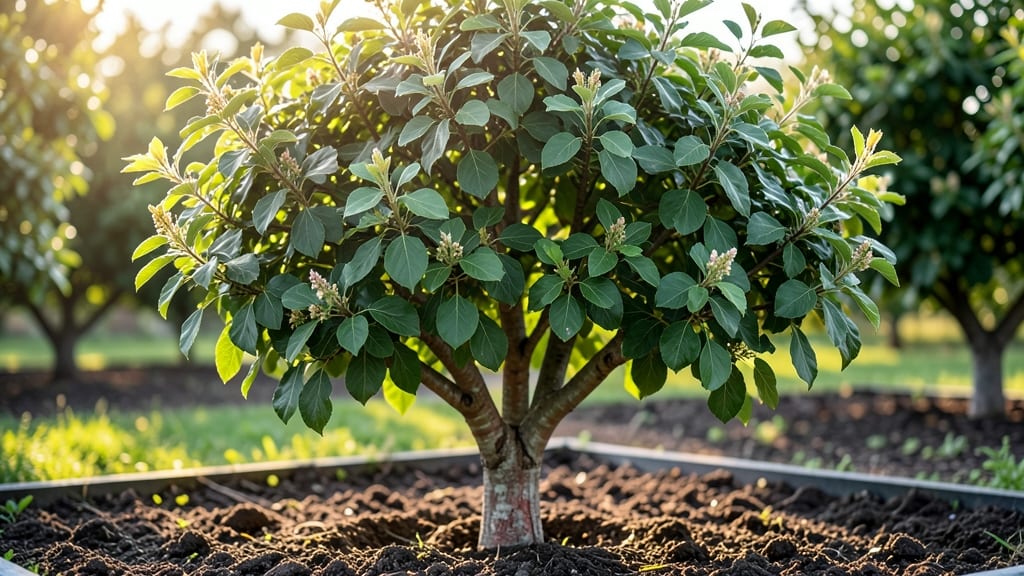
Growing a Prunus 'Thundercloud' plum means waking up to a tree that’s as dramatic as its name—dark purple foliage, deep burgundy fruit, and branches heavy with harvest. 🌿 The key to its stunning performance?
Late-winter pruning, which I’ve perfected after years of watching my tree go from scraggly to showstopper in just a few cuts. This plum thrives in zones 5-8, where it handles winter chill but still bursts into life by spring.
You’ll need well-draining soil and full sun, but the real magic happens when you prune in late winter—before buds swell. This isn’t just about shaping; it’s about directing energy into fewer, larger fruit that’ll make your neighbors ask, “What is that tree?”
By summer, you’ll be harvesting plums so rich and dark they look like edible jewels, and the foliage will keep the drama going all season. The best part? It’s just as stunning when not in fruit—think velvety leaves and graceful branches year-round.
Whether you’re growing for fruit, foliage, or both, this tree delivers. Let’s get your pruning shears ready and turn that winter cleanup into a spring spectacle.
📚 In This Guide
- What you need
- Instructions
- Tips and common mistakes
- Wrapping up and next steps
What you need
- ● Pruning shears: Sharp, bypass-style shears (for clean cuts on branches under ½ inch thick). Quantity: 1 pair.
- ● Loppers: For branches ½ to 1½ inches thick. Quantity: 1 pair.
- ● Pruning saw: For thicker branches (1½+ inches). Quantity: 1.
- ● Disinfectant (70% isopropyl alcohol or bleach solution): To sterilize tools between cuts. Quantity: Small bottle.
- ○ Pruning sealant (optional but recommended): For larger cuts to prevent disease. Quantity: Small tube.
- ● Gloves: Heavy-duty work gloves to protect hands. Quantity: 1 pair.
- ● Tarp or drop cloth: To collect pruned branches and debris. Quantity: 1.
- ● Notebook & pen: To sketch your tree’s structure and note cuts. Quantity: 1 each.
- ● Weather: Prune on a dry, calm day (avoid frost or rain within 24 hours).
- ● Timing: Late winter (just before buds swell) is ideal for Prunus Thundercloud plums.
- ○ Safety gear: Safety glasses (optional but wise for debris).
- ● Tree health check: Inspect for signs of aphids or disease before pruning.
Step-by-step late-winter pruning for Prunus Thundercloud plum trees
Here's how to shape your Thundercloud plum for maximum fruit production—without stressing the tree.
⏰ Step 1: Time Your Pruning for Dormancy
Prune your Thundercloud plum in late winter—specifically, 4-6 weeks before your last frost date. This timing ensures the tree has enough time to heal wounds before spring growth begins. I always check the forecast and aim for a stretch of dry, 40-50°F days to minimize disease risk from open cuts.
Wait until the tree is fully dormant—no buds have swollen, and leaves are still tightly closed. If you see even a hint of green, wait another week. Pruning too early can stimulate premature growth that gets damaged by late frosts. Real talk: I once pruned a plum tree in January, and the new shoots froze back completely.
✂️ Step 2: Remove Dead, Diseased, or Crossing Branches
Start by cutting out any dead, broken, or diseased branches—these are your first priorities. Use clean, sharp pruning shears to make cuts just outside the branch collar (the swollen area where the branch meets the trunk). For larger branches over ½ inch thick, switch to a pruning saw for clean cuts.
Next, remove branches that cross or rub against each other. These create wounds that invite pests and diseases. Look for branches growing inward—they’ll never get enough sunlight to produce fruit. I like to visualize the tree’s shape as I work, imagining sunlight filtering through to the center.
🌿 Step 3: Thin Out Overcrowded Growth for Airflow
Thin the canopy by removing 20-30% of the tree’s total branches, focusing on the oldest wood first. Aim to create an open center that lets sunlight and air circulate freely. Thundercloud plums produce heavy fruit loads, so good airflow prevents fungal issues like brown rot.
Cut back branches that grow straight up (called "watersprouts")—these steal energy from fruiting wood. Also remove any suckers sprouting from the base or trunk. You’ll see the tree’s natural framework emerge as you work. For each cut, step back occasionally to check the balance of the tree.
☀️ Step 4: Shape the Tree for Optimal Fruit Production
Encourage a modified central leader shape—keep one strong central trunk with 3-5 main scaffold branches spaced evenly around it. These branches should emerge at 45-degree angles for stability. Prune back lateral branches to ½ their length to redirect energy into fruiting spurs.
For Thundercloud plums, focus on fruitwood renewal. Cut back older branches by ⅓ to ½ to stimulate new growth. You’ll see small, stubby spurs developing—these are where next year’s fruit will form. Avoid heavy pruning on young trees; they need all their energy to establish roots.
💧 Step 5: Clean Up and Apply Wound Treatment
After pruning, rake up and dispose of all clippings—don’t leave them under the tree. They can harbor pests and diseases. Wipe down your tools with 70% isopropyl alcohol to prevent spreading pathogens between cuts.
For larger cuts over ½ inch, apply a wound dressing (like pruning sealant) to protect against silver leaf disease. Smaller cuts don’t need treatment—they’ll heal naturally. Water the tree deeply after pruning to reduce stress. You’ll notice new growth buds swelling within 2-3 weeks if everything’s timed right.
Tips & tricks for pruning Thundercloud plum trees
These simple strategies will help you prune like a pro and set your Thundercloud plum up for a bumper crop.
Timing is Everything: That 4-6 week window before your last frost isn't just a suggestion—it's critical. I've seen plum trees pruned too early sprout tender new growth that gets fried by late frosts. Check your local frost dates and mark your calendar. If you're unsure, err on the side of waiting a week or two. The tree will thank you with stronger fruit production next season.
Tool Prep Makes All the Difference: Before you even touch the tree, clean your pruning shears and saw with 70% isopropyl alcohol. I learned this the hard way after transferring bacterial canker from one cut to another. Sterilize tools between each major cut, especially if you're working on multiple trees. Sharp tools also make cleaner cuts that heal faster—dull blades crush wood fibers, creating bigger wounds.
Visualize the Light: When shaping your tree, imagine sunlight streaming through the center. That open vase shape isn't just for looks—it's about maximizing fruit quality. Thundercloud plums need good airflow to prevent fungal diseases like brown rot. Step back every few cuts and squint at the tree through the branches. If you can't see the center clearly, you're probably keeping too many branches.
Wound Care Matters: For cuts larger than ½ inch, that pruning sealant isn't optional—it's insurance against silver leaf disease. I've seen beautiful plum trees ruined by this fungal infection. Apply sealant immediately after cutting, while the wound is still fresh. For smaller cuts, resist the urge to treat them—they'll heal just fine on their own, and sealant can actually trap moisture and cause problems.
Pro Tips for Prunus Thundercloud Plum
- These simple strategies will help you prune like a pro and set your Thundercloud plum up for a bumper crop.
- Timing is Everything: That 4-6 week window before your last frost isn't just a suggestion—it's critical.
- Tool Prep Makes All the Difference: Before you even touch the tree, clean your pruning shears and saw with 70% isopropyl alcohol.
Frequently asked questions
about the Prunus Thundercloud Plum—especially when prepping for late-winter pruning—can save you time and frustration. Here are answers to the most common queries:When is the exact best time to prune my Thundercloud Plum?
Prune in late winter (just before bud break, ideally in USDA Zones 5-8) for optimal fruit production. Avoid pruning in fall—it risks disease entry. If you missed late winter, wait until early spring, but don’t delay past March in most climates. Pro tip: Check your local frost dates to time it perfectly!
Why does my Thundercloud Plum have so many small fruits instead of big ones?
Overcrowded branches or excessive fruiting spurs (from poor pruning) can lead to small fruits. Thin clusters to 3-5 fruits per spur during late-winter pruning. Also, ensure your tree gets 6+ hours of sun and balanced fertilizer (high in phosphorus). Try this: Remove 20% of last year’s fruit in early spring to redirect energy to larger plums.
How much should I cut back on a young Thundercloud Plum tree?
For first-year pruning, remove only dead, crossing, or diseased branches—about 10-15% of the total. In years 2-3, open the center by cutting back 1/3 of the oldest branches to improve airflow. Avoid heavy cuts; Thunderclouds are self-fertile but need good structure for heavy loads. Warning: Never remove more than 25% of the canopy in one year.
Are Thundercloud Plums prone to aphids or other pests after pruning?
Yes! Pruning wounds attract aphids, plum curculio, and borers. Seal cuts with pruning sealant and apply neem oil or insecticidal soap in early spring. Preventative tip: Remove fallen leaves/debris post-pruning to reduce overwintering pests. Bonus: Attract ladybugs—they’re natural aphid predators!
Can I grow Thundercloud Plums in containers, or do they need a garden bed?
While possible in large containers (20+ gallons), Thundercloud Plums thrive best in well-draining garden soil with deep roots. Containers limit growth and fruit size. If you must pot it, use a dwarfing rootstock and repot every 2-3 years. Note: Container-grown trees need yearly fertilization and winter protection in cold zones.
Wrapping up and next steps
The Prunus Thundercloud Plum rewards patience with its stunning blooms and bountiful harvests—especially when you master late-winter pruning! 🌿 By thinning dense branches and shaping your tree strategically, you’ll boost airflow, sunlight exposure, and fruit size. Remember, consistency is key, and even small adjustments can lead to big results.
Ready to transform your orchard? Grab your pruners and start small—prune just one section at a time to build confidence. Before you know it, your Thundercloud Plum will be thriving, and you’ll be the proud host of a fruit-laden feast! 🍑✨