
Pruning
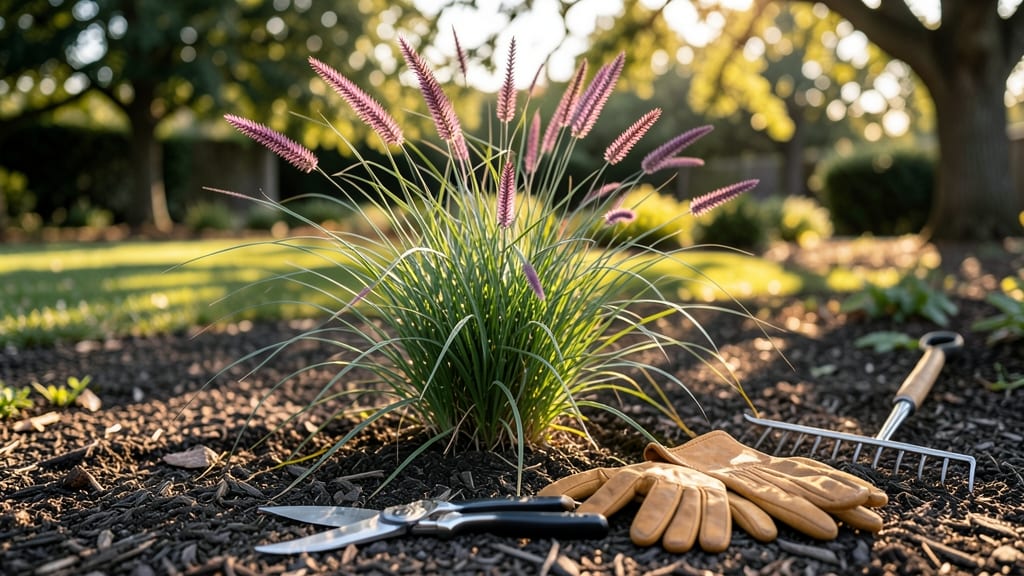
Pruning purple fountain grass in late winter keeps it looking sharp all season. ✂️ I’ve learned the hard way that skipping this step means tangled, leggy clumps by summer—no more! The key is timing, technique, and the right tools to wake up those dormant buds without overdoing it.
You’ll need sharp pruners, gloves, and a clear day to work. Cut back the entire plant to about 6 inches tall, just above a set of healthy buds. This encourages fresh, compact growth and prevents the grass from flopping over in heat.
The first flush of new growth appears within 2-3 weeks, and your borders will stay tidy for months. After pruning, water deeply to help the plant recover. Avoid fertilizing right away—wait until new growth appears.
Purple fountain grass is tough, but proper pruning keeps it neat, vibrant, and productive for years. Works for both in-ground plantings and containers. Here’s how to do it without stressing the plant—or yourself.
📚 In This Guide
- What you need
- Instructions
- Tips and common mistakes
- Wrapping up and next steps
What you need
- ● Sharp pruning shears or hedge clippers – Look for bypass pruners (8-10" blade) for clean cuts.
- ● Heavy-duty gardening gloves – Wear cut-resistant gloves (e.g., Mechanix or Filson) to protect hands from sharp blades and thorns.
- ○ Pruning saw (optional but helpful) – For thicker stalks (if your grass has woody stems).
- ● Wheelbarrow or large trash bags – For collecting clippings (1-2 bags or a wheelbarrow for bulk cleanup).
- ● Garden kneeler or stool – For comfort when trimming low or large patches.
- ● Hose with spray nozzle – To rinse off tools and debris after pruning.
- ● Rake or leaf blower – For clearing fallen leaves/debris around the base.
- ● Disinfectant (rubbing alcohol or bleach solution) – Clean tools between cuts to prevent disease spread.
- ● String trimmer (weed whacker) – For hard-to-reach areas or overgrown sections.
- ● Pruning shears with a ratchet mechanism – Reduces hand fatigue for large jobs.
- ● Safety goggles – Protects eyes from flying debris.
- ● Garden journal or markers – Track pruning dates and growth patterns for future reference.
Step-by-Step guide for pruning purple fountain grass
Here's my go-to method for keeping your purple fountain grass lush, tidy, and thriving all year long.
✂️ Step 1: Time Your First Cut in Late Winter
Prune your purple fountain grass in late winter, just before new growth begins. This is usually around February or early March in most climates, but watch for the first signs of fresh green shoots emerging from the base. Cold-hardy varieties can handle a light trim even in late winter if you're in Zone 5 or colder.
Use sharp, clean pruners to cut back the entire plant to about 6-8 inches tall. This dramatic cut encourages fresh, vibrant growth and prevents the grass from looking ragged. I like to make my cuts at a slight angle to avoid damaging the crown. The reason we cut so low is that fountain grass grows from the base, and this trim removes any dead or damaged foliage from the previous season.
✂️ Step 2: Shape and Thin in Early Spring
Once new growth appears in early spring (usually April or May), it's time for a lighter shaping. Wait until you see at least 6-8 inches of fresh green growth before you start trimming. This ensures you're not cutting back into last year's dormant growth.
Use your pruners to trim any straggly stems or overgrown sections, and shape the plant to your desired form. For a fuller look, I like to trim the outer edges slightly to encourage bushier growth. Avoid cutting into the center too much—this is where the plant's energy comes from. If you notice any brown or dead stems, trim those out completely to keep the plant healthy. You'll know you're doing it right when you see fresh, bright green growth emerging within a few weeks.
✂️ Step 3: Maintain Throughout the Growing Season
During the growing season, keep an eye on your purple fountain grass and trim as needed to maintain its shape. Light maintenance trims every 4-6 weeks help prevent the plant from becoming too leggy or overgrown. Focus on trimming the outer edges and any stems that are growing out of place.
Here's the thing—purple fountain grass is forgiving, but it doesn't like to be cut back too severely during the growing season. Never trim more than ⅓ of the plant at once, and always avoid cutting into the center. If you notice any stems that are turning brown or looking unhealthy, trim those out immediately. Water the plant deeply after trimming to help it recover and encourage new growth. You'll see the best results if you keep up with these light maintenance trims throughout the summer.
✂️ Step 4: Prepare for Winter Dormancy
In late fall, as temperatures drop and growth slows, it's time to prepare your purple fountain grass for winter. Stop fertilizing and reduce watering, but don't cut back the plant yet. Wait until the first hard frost or when the grass turns completely brown. This usually happens in November or December, depending on your climate.
Once the grass is fully dormant, use your pruners to cut it back to about 3-4 inches tall. This height provides enough protection for the crown over winter while still allowing new growth to emerge in spring. Avoid cutting into the center or damaging the base—this is where the plant will regrow from. I like to leave a little extra height in colder climates to provide additional insulation. In the spring, you'll see fresh green shoots emerging from the base, signaling that your plant is ready to grow again.
Tips & tricks for pruning purple fountain grass
Keeping your purple fountain grass looking its best takes a little strategy—but these tricks will make all the difference.
Timing is Everything: The late winter trim in Step 1 is your plant's fresh start. If you're in a warmer climate (Zones 8-10), don't wait until February—watch for those first green shoots in January. Cold-hardy varieties in Zones 5-7 can handle a light trim even in late winter, but avoid heavy cuts until true spring growth appears. This timing prevents shocking the plant when it's still dormant.
Tool Prep Matters: Before you start pruning, take 2 minutes to sharpen your pruners or shears. Dull blades crush stems instead of cleanly cutting them, which can damage the plant and create entry points for disease. I like to wipe the blades with rubbing alcohol between cuts to prevent spreading any potential pathogens from dead stems to healthy ones. Sharp tools mean cleaner cuts and less stress on your grass.
Visual Cues for Growth: In Step 2, when shaping your grass, look for the "V" shape at the base of each stem—this is where new growth emerges. Trim just above these growth points to encourage fuller, bushier plants. If you accidentally cut into the center, don't panic! Fountain grass is resilient, but you'll notice slower regrowth in that area. For a fuller look, trim the outer edges at a slight angle to create more surface area for new growth.
Seasonal Adjustments: During the growing season (Step 3), adjust your 4-6 week maintenance schedule based on how fast your grass grows. In hot, humid climates, you might need to trim every 3-4 weeks, while cooler summers may extend that to 6-8 weeks. Always follow the "one-third rule"—never remove more than ⅓ of the plant at once. This prevents shocking the grass and keeps it looking lush rather than stressed.
Pro Tips for Purple Fountain Grass Pruning
- Keeping your purple fountain grass looking its best takes a little strategy—but these tricks will make all the difference.
- Timing is Everything: The late winter trim in Step 1 is your plant's fresh start.
- Tool Prep Matters: Before you start pruning, take 2 minutes to sharpen your pruners or shears.
Frequently asked questions
Got questions about keeping your Purple Fountain Grass looking its best? You’re not alone! Here are some of the most common concerns—plus quick, expert-backed answers to keep your borders tidy without the stress.
When is the best time to prune Purple Fountain Grass?
The ideal time to prune is late winter or early spring (before new growth starts) or after flowering in fall. Avoid cutting back in summer—this can stress the plant and reduce its winter hardiness. For a cleaner look, trim dead foliage in late winter when it’s dormant.
How short can I cut Purple Fountain Grass?
Never cut more than 1/3 of the plant’s height—this ensures healthy regrowth. For most varieties, aim to leave 6–12 inches of stem. Over-pruning can kill the plant or leave it vulnerable to pests. If you’re unsure, err on the side of leaving more foliage!
What if my Purple Fountain Grass looks brown and crispy after pruning?
Brown tips or fronds often mean over-pruning, drought, or cold damage. If it’s late winter, the plant may still be dormant—wait until spring to see new growth. Water deeply after pruning, and avoid cutting back too aggressively. If the center is hollow, it’s a sign of death—replace the plant.
Can I prune Purple Fountain Grass in summer?
It’s not recommended—summer pruning stresses the plant and can stunt growth. If you must tidy up, lightly remove only dead or damaged fronds. For a polished look, wait until fall or winter. Think of it like giving your grass a well-deserved vacation from shears!
What’s a good alternative if pruning feels too high-maintenance?
If you want low-maintenance ornamental grass, consider Miscanthus sinensis or Little Bluestem. These thrive with minimal pruning and offer similar texture and color. For Purple Fountain Grass, mulching and occasional deadheading can reduce upkeep while keeping borders neat.
Wrapping up and next steps
Pruning your purple fountain grass doesn’t have to be intimidating—with the right timing, tools, and techniques, you’ll keep it looking neat, tidy, and thriving all year long! 🌿 Whether you’re trimming back dead growth in winter, shaping it in spring, or maintaining its form in summer, consistency is key.
Now that you’re armed with expert tips, grab those shears and give your grass the care it deserves.
Ready to take your garden to the next level? Start small—pick one season’s pruning task this week and watch your borders transform! For extra inspiration, explore seasonal pruning guides or join gardening communities to swap tips with fellow plant lovers. Happy pruning! ✂️💜